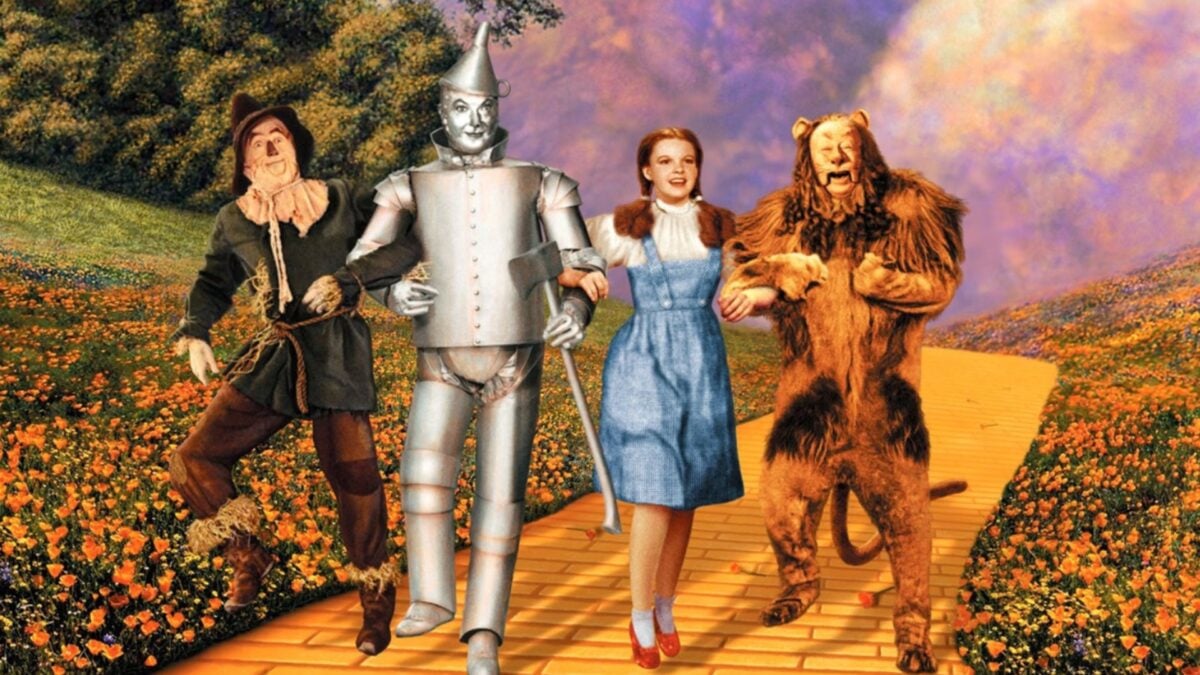

Reinventing Oz for Gen Z: Can Amazon’s “Dorothy” Survive the Yellow Brick Road of Skepticism?
Is it possible to breathe fresh life into a story told countless times over 124 years? The cultural juggernaut that is L. Frank Baum’s The Wizard of Oz shows no signs of fading, with “Wicked: For Good” poised for cinematic release later this year and the Las Vegas Sphere offering an AI-driven spectacle. Now, adding another twist to this enduring legacy, Prime Video is developing Dorothy, a contemporary YA reimagining with Gwen Stefani and Blake Shelton serving as executive producers. Promised as a “music-infused YA retelling,” the Dorothy Amazon series aims to transform the iconic Yellow Brick Road into a vibrant metaphor for navigating modern teenage challenges. But in a landscape saturated with dark reboots and skeptical audiences, can this ambitious, optimistic vision thrive, or will it vanish like a poppy field mirage?
Unpacking the Vision: Dorothy’s Journey into the Streaming Age
-
The Pitch: Grit, Pop, and the Yellow Brick Road (H2): Described by Deadline as a “contemporary, music-infused YA retelling… using the Yellow Brick Road as a metaphor for the challenges and choices facing young adults today,” Dorothy immediately signals a departure. Lead executive producer Gina Matthews (notable for 13 Going on 30 and Popular) emphasizes timeless themes: “The story reminds us of the qualities we need to get through hard times, and Dorothy is a symbol of strength who shows us that with a little kindness—and a lot of grit—we can not only achieve great things but also lift up those around us.” The core pitch hinges on applying Oz’s foundational “there’s no place like home” and self-discovery journey to the specific, often overwhelming pressures facing Gen Z – social media anxiety, identity exploration, academic pressures, climate change anxieties, and societal uncertainty.
-
The Power Players: Stefani, Shelton, and Matthews (H2): The involvement of pop icon Gwen Stefani and country superstar Blake Shelton as EPs instantly boosts the project’s profile.
- Their Roles: Currently, reports suggest their involvement is strictly behind-the-scenes in an executive producing capacity. There’s no indication either will contribute musically to the series itself. Their primary value likely lies in:
- Star power attraction for marketing.
- Experience navigating the music and entertainment industries (Stefani’s pop-rock background, Shelton’s country/television judging prowess).
- A potential bridge to wider, more diverse audiences.
- Gina Matthews: As the showrunner and main creative force, Matthews’ background in both uplifting teen movies (13 Going on 30) and bitingly satirical teen television (Popular) is crucial. Popular, co-created with Ryan Murphy, was notorious for its dark humor and sharp critique of high school hierarchies, raising questions about how she’ll balance that sensibility with the stated goal of profound optimism for Dorothy.
- Their Roles: Currently, reports suggest their involvement is strictly behind-the-scenes in an executive producing capacity. There’s no indication either will contribute musically to the series itself. Their primary value likely lies in:
Navigating the Oz Adaptation Minefield: Context is Crucial (H2)
The history of screen adaptations pivoting from the beloved 1939 MGM musical is fraught with difficulties. Dorothy enters a market wary of cynical cash-grabs but also skeptical of simplistic retreads.
-
The Shadow of Darkness: Gritty Reimaginings (H3): Recent attempts have overwhelmingly favored dark, dystopian interpretations:
- Tin Man (2007 Sci-Fi Channel): A cyberpunk-inspired miniseries where DG (Dorothy Gale) navigates a tyrannical regime. Praised for visuals but criticized for grimness.
- Emerald City (2017 NBC): A visually stunning, Game of Thrones-esque fantasy epic focusing on political intrigue and war. Starred Adria Arjona as Dorothy but was canceled after one season due to mixed reviews and ratings.
- Analysis: These projects leaned heavily into fantasy action and complex world-building, aiming for older audiences. Their relative lack of success suggests viewers (and networks) find the tone dissonant with core Oz themes of wonder and hope, despite the original books having darker moments. Key Challenge: Can Dorothy offer grown-up themes without losing the inherent optimism?
-
The YA Music Factor: A Risky Genre Blend? (H3): Combining YA drama with heavy musical elements is a specific sub-genre with a mixed track record, particularly on streaming:
- High School Musical: The Musical: The Series (Disney+): Found success by embracing theatrical camp and meta-humor.
- Julie and the Phantoms (Netflix): Beloved by its fanbase but canceled after one season.
- Zoeys Extraordinary Playlist (NBC/Peacock): Critical acclaim for blending music with emotional depth, but struggled with consistent viewership, especially in later seasons.
- Risk Assessment: Integrating original songs meaningfully into complex character arcs and plot development is notoriously difficult. The YA audience is notoriously fickle and demands authenticity. Will Dorothy’s “teeth-grittingly optimistic message” (as one critic put it) resonate as genuine empowerment or feel like saccharine idealism? Can the music avoid being generic pop filler?
The Yellow Brick Road as Metaphor: Will the Audience Follow? (H2)
The central conceit – mapping modern teen struggles onto the Yellow Brick Road – seems ripe with potential but carries inherent risks.
-
Potential Resonance (H3): If executed with nuance, the metaphor could powerfully address:
- Finding Your Tribe: Scarecrow (Intelligence?), Tin Man (Empathy?), Lion (Courage?) representing the supportive friends found while overcoming adversity.
- Facing Internal Demons: Wicked Witches embodying anxieties, self-doubt, or external pressures.
- The Illusion of Easy Solutions: Oz himself representing societal promises or quick fixes that ultimately disappoint, reinforcing the “inner resources” theme.
- The Perilous Journey: The Road itself symbolizing the complex, non-linear path of adolescence.
-
Execution Pitfalls (H3): The risk lies in making the metaphor too literal, simplistic, or preachy:
- Lack of Subtlety: Directly naming anxieties or using overly obvious parallels could feel patronizing to savvy teens.
- Forced Positivity: If every challenge is resolved solely through “grit” and “kindness” without acknowledging systemic issues or genuine pain, the message rings hollow.
- Music Misfire: Songs expressing obvious thematic messages (“We’ve Got the Courage!”) risk becoming cheesy rather than cathartic. Authenticity in portraying teenage struggle, even within an optimistic framework, is paramount. As research on YA fiction often emphasizes, teens value realism in how their problems are depicted, even within fantastical settings (Source: Common Sense Media – Teens & Young Adult Books).
The Competitive Landscape and Audience Reception Challenges (H2)
Dorothy doesn’t exist in a vacuum. Its potential success hinges on several external factors:
- Timing and Competition: The proximity to Wicked: For Good (Q4 2024) could create both synergy and fatigue. A new musical Oz story might overshadow a TV project, or conversely, Wicked‘s buzz could reignite interest. Prime Video already has YA content; standing out requires distinctiveness.
- The “Executive Producer” Label: Stefani and Shelton’s genuine involvement level matters. Are they deeply engaged creatively, or is it a marquee name attachment? Audiences can smell cynical marketing a mile away.
- Target Audience Authenticity: The YA demographic consumes content voraciously but demands quality. Shows like Heartstopper succeed through authentic representation and emotional truth; others fail by feeling manufactured.
Comparison of Recent Oz TV Adaptations
| Feature | Tin Man (2007) | Emerald City (2017) | Dorothy (Amazon – TBA) |
|---|---|---|---|
| Format | Miniseries | 1 Season Series | Series (Details TBD) |
| Tone | Dark, Cyberpunk, Gritty | Dark, High Fantasy, Edgy | Contemporary, Music-infused, Optimistic |
| Setting | O.Z. (Outer Zone) Futuristic | Epic Fantasy Oz | Contemporary Reimagining |
| Dorothy | “DG” – Headstrong Adult | Adult, Political Pawn | YA Protagonist, symbol of grit/kindness |
| Key Themes | Tyranny, Memory Loss | War, Politics, Religion | YA Challenges, Modern Adversity, Hope |
| Music Focus | Minimal | Minimal | Significant / Central Element |
| Audience | Older Teens/Adults | Adults | Young Adult / Teen Focus |
| Reception | Moderate Success (Miniseries) | Cancelled after 1 Season | TBD |
| Known Producers | Sci-Fi Channel Focus | NBC Universal | Prime Video, Gina Matthews, Stefani+Shelton (EPs) |
A Hopeful Corner or Overdone Territory? The Verdict is Out
Skepticism around Dorothy is understandable. The Wizard of Oz franchise feels perpetually mined, often with diminishing returns. The combination of YA + Music + Relentless Positivity + Celebrity EPs + Amazon Prime Video is an untested cocktail raising numerous red flags about authenticity and creative necessity. Previous darker takes struggled to find lasting success, suggesting the core audience cherishes the heart and optimism of the original over bleak reinventions.
Yet, dismissing it outright is premature. Gina Matthews’ track record suggests the potential for sharp storytelling. Done right, using the Yellow Brick Road as a frame for contemporary teen struggles could resonate powerfully, offering escapism with a purpose. Key questions remain: Can the “grit and kindness” message avoid cliché? Will the music feel organic or manufactured? Does the network understand its YA audience deeply enough? Ultimately, Dorothy‘s fate rests on translating pitched optimism into relatable, nuanced storytelling that respects the intelligence of its target audience and proves there’s genuinely something new – and necessary – to discover over the rainbow today.
While Return to Oz (1985) offers a wonderfully weird alternative for Oz completists, the core canon deserves moments to rest. Once Wicked concludes its spectacle, perhaps it’s time for Oz to retreat into its rich literary history for a while before the next high-profile trek down that iconic path. Only time will tell if Dorothy becomes a beacon for a new generation or simply another cautionary fable about adaptation hubris. What do you think: Will you be clicking play on Dorothy? Share your hopes, doubts, or Oz adaptation fatigue in the comments below! (Word Count: 1258)
Sources & Further Reading:
Original article at gizmodo.com


