
The European Union’s landmark legislation mandating user-replaceable batteries in electronic devices is set to take effect in February 2027. But the EU has now added several important exemptions that affect everything from wireless earbuds to smartwatches.
What’s Exempt?
The key exemption category is “wet appliances,” which includes:
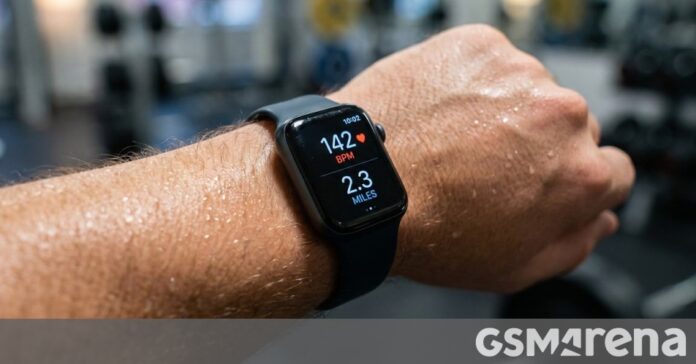
- Wearable devices (wireless earbuds, heart rate monitor straps, smart glasses, smartwatches)
- Outdoor wireless speakers
- Electrical toothbrushes and similar water-exposed devices
These devices are designed for environments where they may be splashed, submerged, or washed — making user-replaceable batteries impractical without compromising water resistance.
Miniaturization Exemptions
Small devices with tightly packed internals also qualify for exemptions based on miniaturization concerns. The reasoning is clear: when components are crammed into a tiny space, attempting a DIY battery replacement risks damaging the battery — and nobody wants a lithium battery fire.
For these devices, batteries can still be replaced, but only by qualified professionals.
What About Phones?
Phones aren’t fully exempt, but there are conditions. A phone qualifies for professional-only battery replacement if it:
- Has at least IP67 water resistance rating
- Battery retains at least 83% of original capacity after 500 charge cycles, or 80% after 1,000 cycles
This essentially covers most modern flagship and mid-range phones, meaning the era of easily swappable phone batteries isn’t coming back as dramatically as some hoped.
What “User-Replaceable” Actually Means
It’s important to note that “user-replaceable” doesn’t mean device-free. The regulation allows replacement with commonly available tools like screwdrivers and pry tools — similar to how many laptops still allow battery replacement. It’s a reasonable middle ground that balances repairability with modern design constraints.
The EU has said it will continue evaluating market trends and may add future exemptions as technology evolves.


