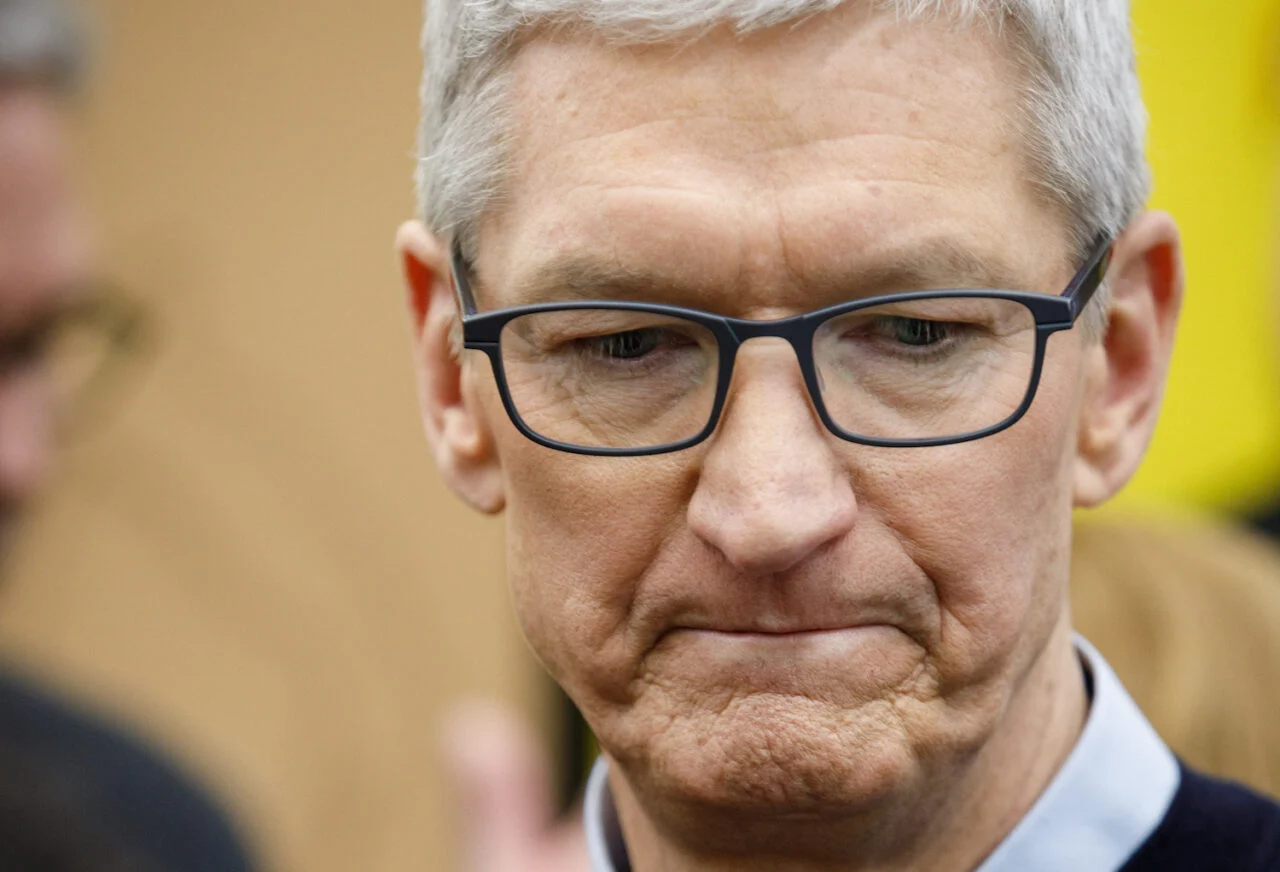

The Thin Line Between Diplomacy and Disconnect: Analyzing Tim Cook’s Political Balancing Act
Does corporate leadership require navigating politics with velvet gloves, or does silence in tumultuous times signal complicity? Recent actions by Apple CEO Tim Cook provide a stark case study in the tightrope tech executives walk. While asserting commitment to Apple’s core values of dignity and respect, Cook’s high-profile engagements with former President Donald Trump, including attending a screening celebrating Melania Trump amidst horrifying events in Minneapolis, raise difficult questions about timing, tone, and the effectiveness of measured corporate diplomacy. The tragic deaths of Renee Good and Alex Pretti during federal crackdowns underscore the high stakes of this leadership calculus.
Cook’s Calculated Courtship: A Strategy of Engagement
Apple’s CEO has long adopted a stance of pragmatic engagement with political figures, regardless of party affiliation, recognizing that government policies significantly impact the tech giant’s global operations. This strategy became particularly pronounced during the Trump administration.
- Symbolic shaking hands: Cook’s approach has included symbolic gestures like presenting President Trump with a plaque featuring a base of 24-karat gold.
- Public deference: At a White House dinner, Cook famously addressed the room for two minutes, employing the phrase “thank you” directed at Trump nine times, signaling respect for the office and perhaps seeking goodwill.
- Sustained access: The engagement wasn’t isolated. Cook continued maintaining access channels, exemplified by his attendance at the private screening of a documentary about First Lady Melania Trump – notably produced not by Apple, but by a competitor. This highlights a pattern: prioritizing a seat at the table over ideological alignment with the event’s拍照。
Context.
This consistent engagement strategy reflects a core belief held by Cook and similar tech CEOs: maintaining dialogue, even with contentious figures, is preferable to outright public confrontation. The objective is often cited as influencing policy from within, protecting business interests, and ensuring Apple’s voice is heard on issues like trade and encryption. A report by the Joint Center for Political and Economic Studies notes this approach is common among major multinational corporations facing complex regulatory landscapes. However, events can overtake even the most carefully calibrated strategy.
A Troubling Disconnect: The Minneapolis Backdrop
Cook’s appearance at the Melania Trump screening coincided with escalating and deeply disturbing events unfolding in Minneapolis involving federal agents, particularly from Immigration and Customs Enforcement (ICE). Reports from sources like the Minneapolis Star Tribune detailed a series of violent incidents stemming from intensified operations, clashes, and purported overreach.
- Human tragedy: The deaths of citizens Renee Good and Alex Pretti allegedly at the hands.Forefront in community outrage and media coverage. The lack of clear accountability intensified public anger.
- Cross-partisan concern: The severity prompted expressions of dismay transcending typical partisan lines. Even politically aligned figures like Senator Ted Cruz found ways to publicly acknowledge Good, demonstrating that acknowledging suffering required minimal political risk.
- Corporate dissonance: Against this backdrop of community trauma and widening condemnation of federal tactics, Cook’s presence at a celebratory film screening appeared jarringly out of step. Critics questioned whether he fully grasped the “gravity” of the situation or exhibited the necessary “insight” demanded by the moment.
This perceived disconnect fueled criticism that Cook prioritized maintaining political proximity over publicly acknowledging a significant human rights crisis unfolding within his own country. While CEOs aren’t expected to comment on every event, the scale and visceral nature of these incidents placed significant pressure on leaders perceived as having influence.
| Tim Cook vs. Minimal Public Response Threshold | |
|---|---|
| Evidence of Tragedy & Public Outcry | Cook’s Public Actions Around Timeline |
| Renee Good & Alex Pretti deaths (ICE-linkedти影りょう?) | Attended non-Apple Melania Trump film screening |
| Specific reports of federal agent overreach in Minneapolis | No immediate public comment referenced |
| Bipartisan expressions of concern/disgust (e.g., Cruz) | Reliance on private dialogue noted later |
| Rising demands for corporate accountability | Issued internal memo days later (leaked) |
The Deescalation Statement: Strategic Vagueness or Missed OPPORTUNITY?
Facing mounting internal and external pressure, Cook eventually addressed the Minneapolis situation – albeit internally. A leaked memo sent to Apple employees revealed his position:
- Core message: Cook expressed being “heartbroken” by events in Minneapolis and offered prayers and sympathies. His central prescription was unambiguous: “This is a time for deescalation.”
- Anchor in values: He anchored this appeal in ideals (“America is strongest when we live up to our highest ideals… treat everyone with dignity and respect”) and tied it to Apple’s identity (“This is something Apple has always advocated for”).
- Private Advocacy Disclosure: Crucially, Cook referenced “a good conversation” with President Trump where he claimed to have “shared his views,” offering a justification for his public restraint.
However, the statement’s limitations were stark:
- Absence of specificity: It notably omitted mentioning ICE, other federal agencies, any victims by name, or concrete details of the alleged overreach – stopping short at simply naming “Minneapolis.”
- plateaued platitudes:** Repetition of broad ideals (“dignity,” “respect,” “shared humanity”) without detailing their breach in the specific context risked sounding like generic corporate jargon.
- Echoing Presidential Language: Trump had coincidentally used near-identical wording (“deescalate a little bit”) shortly before, potentially undermining the perceived独立性Cook sought.
This approach aligned with traditional corporate crisis communication strategies emphasizing empathy and high-level values while avoiding statements that could be construed as overtly partisan or pointing fingers directly at individuals or specific government bodies. Resources like the University of Florida Corporate Communication resource often advocate for this safer route. For Cook, it likely served the dual purposes of acknowledging employee concerns internally while attempting to maintain external political access via private channels.
The Paradox of Private Advocacy and Public Perception
Cook’s reliance on private “conversations” with Trump highlights a fundamental tension corporate leaders face. The belief that quiet diplomacy yields results presents several challenges:
- Proof of Efficacy: Claims of private persuasion (e.g., “I shared my views… I appreciate his openness”) lack verifiable evidence. Did Cook specifically demand accountability for Minneapolis? Did he condemn ICE


