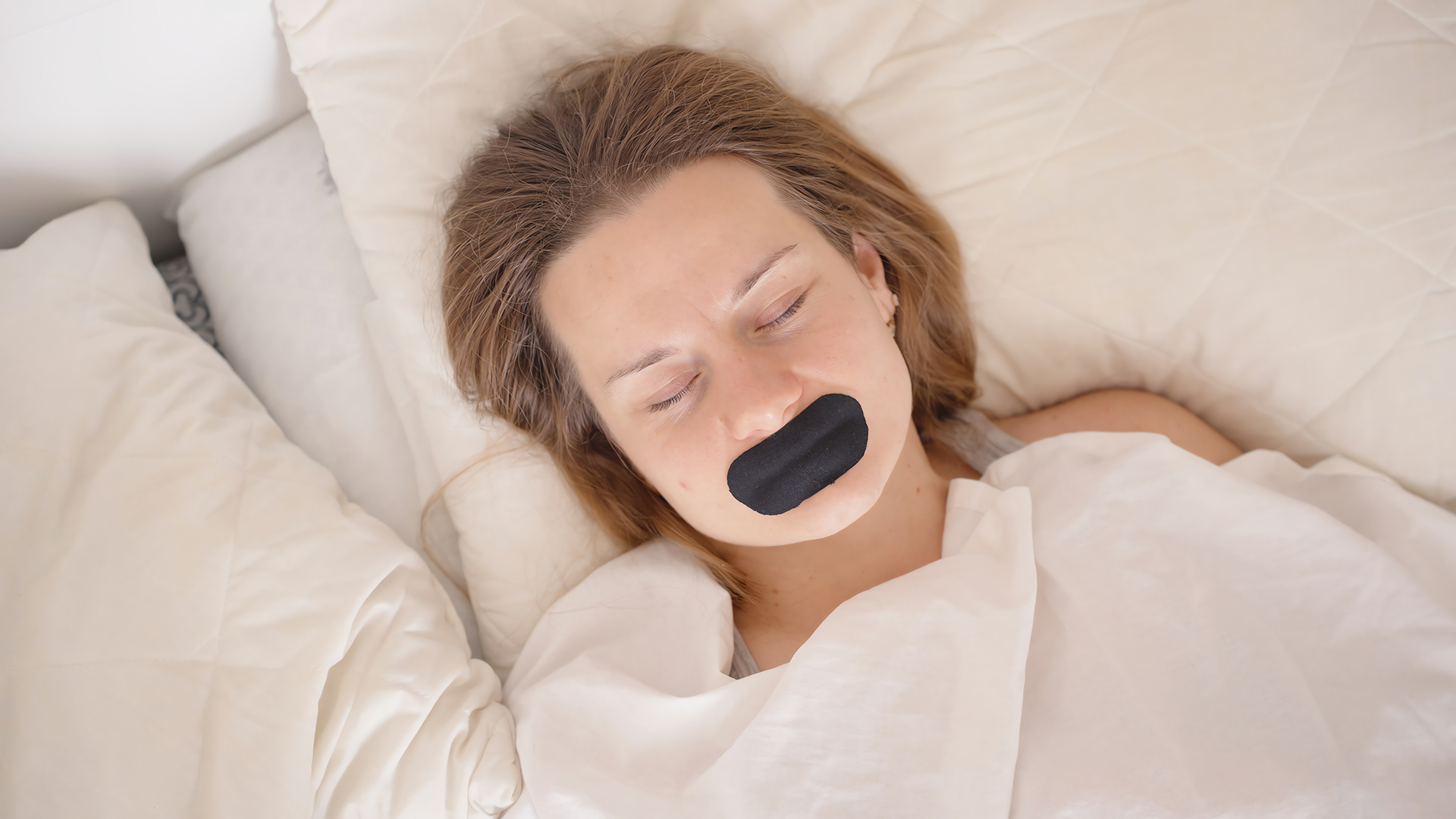

The Silent Night Struggle: Why Mouth Taping Isn’t the Answer to Stopping Snoring
Imagine sharing your bed not just with a partner, but with a chain saw impersonator every night. Roughly over 37 million American adults find themselves in this exact scenario as regular snorers, disrupting not only their own restorative rest but also severely impacting their bedmate’s sleep quality. As we step into 2026 and emerging sleep trends gain hold, finally gaining control over nighttime noise becomes a serious health priority. Yet the viral 2025 hack promising to stop snoring – mouth taping – deserves not celebration, but outright retirement. It’s time to ditch ineffective, potentially dangerous fads and uncover scientifically-backed solutions for quieter, healthier sleep.
The Perils of Pushing Mouth Tape Too Far: Unplug More Than Just Noise
Driven by influencers flaunting elaborate “morning sheds” and self-proclaimed health experts promising universal benefits, mouth taping flooded online spaces. Its premise was simple: tape your mouth shut at night to force nasal breathing, supposedly eliminating snoring. Skeptical, I reluctantly tried it – and the experience confirmed serious concerns.
- Critical Airway Risk: Your mouth exists as a vital emergency airway. Sealing it shut is medically precarious. If nasal congestion strikes from allergies, a cold, or illness while you’re taped, breathing difficulties escalate rapidly. Medical professionals universally warn against obstructing airway options.
- Anxiety Amplifier: The sensation of having your mouth forcibly closed is instinctively unnerving. My personal experience mirrored this – immediate anxiety and a noticeable spike in heart rate upon application. Instead of calming pre-sleep rituals, mouth taping created physiological distress signaling “danger,” directly counteracting relaxation needed for sleep onset.
- Disruptive Discomfort: Sleep wasn’t peaceful. Throughout the night, I awoke repeatedly trying to claw the tape off. This constant interruption fragmented sleep cycles, preventing deep, restorative sleep stages. The sheer discomfort became a barrier, not a pathway, to better rest.
While nasal breathing is generally preferred during sleep for oxygenation efficiency and reduced dry mouth, forcing this transition by taping ignores the underlying cause of mouth breathing or snoring. Masking the symptom without addressing the root issue is poor practice, potentially delaying diagnosis of treatable conditions.
Three Proven Pathways to Peaceful Nights: Ditch the Tape, Embrace Real Solutions
So, how do you genuinely reduce snoring effectively and safely? Forget the gimmicky tape; focus on evidence-based approaches:
Mastering the Art of Head and Neck Support: Your Pillow Matters More Than You Think
Snoring often originates from airway obstruction in the throat. When your head tilts unnaturally during sleep – especially on your back – gravity causes soft tissues at the back of your throat (the tongue, soft palate) to collapse inward. This narrows or blocks the airway. As air struggles to pass through this restricted space, these tissues vibrate loudly – creating the classic snoring sound.
Investing in the best pillow isn’t just about comfort; it’s foundational airway management. Proper cervical support maintains a more neutral alignment between your head, neck, and spine. This helps:
- Keep airways open by preventing the throat tissues from collapsing excessively.
- Reduce strain on neck muscles, promoting relaxation.
- Accommodate your preferred sleep position effectively.
| Finding Your Perfect Pillow Match |
|—————————|—————————|
| Sleep Position | Recommended Pillow Type & Loft | Why It Helps Reduce Snoring |
| Side Sleeper | Higher Loft / Thicker Pillow | Bridges the wider gap between neck and shoulder, keeping spine aligned and airway open. |
| Back Sleeper | Medium to Medium-High Loft / Medium Thickness Pillow | Provides enough lift to prevent the head from tilting too far back (opening the mouth) or forward (closing airway). Thin pillows often cause excessive head tilt, worsening snoring. |
| Stomach Sleeper | Low Loft / Very Thin or No Pillow | Minimizes neck strain caused by excessive turning. However, prone positioning can still worsen snoring and is generally discouraged. |
Key Takeaway: Experiment! The pillow that keeps your spine aligned from shoulders to head significantly combats positional airway collapse.
Breathing Easy Through The Night: The Gentler Power of Nasal Strips
When nasal congestion forces mouth breathing, snoring often follows even if throat tissues are relaxed. Enter nasal strips: a significantly safer, non-invasive alternative to mouth taping. These adhesive strips adhere to the outside bridge of your nose where cartilage meets bone.
How They Work: The strip works mechanically. As it adheres, its spring-like action gently lifts the outer skin and underlying nasal tissues. This widens the nasal passages (specifically the nasal valve – the narrowest point inside your nostrils), reducing resistance and improving airflow by over 30%, according to numerous studies.
- Safe: They don’t block the mouth airway, maintaining a crucial backup breathing route.
- Effectiveness: Proven effective for mild to moderate snoring caused by nasal congestion. They facilitate easier nasal breathing, reducing the need to switch to mouth breathing where snoring is more likely. Anecdotal evidence overwhelmingly supports their practicality – personal experiences, like mine sleeping beside a loud snorer, found products like Breathe Right Extra Strength Nasal Strips delivered noticeable noise reduction and fuller nights of uninterrupted sleep for both parties.
Ideal For: Allergies, colds, deviated septum, or naturally narrowed nasal passages. A Cochrane Review recognized nasal strips as a non-surgical option offering symptomatic relief for nasal obstruction.
Your Foundation for Silent Sleep: Why Mattress Choice Impacts Airflow
Your mattress profoundly dictates posture and spinal alignment throughout the night. The position you sleep in dramatically influences snoring risk:
- Back Sleeping: Often the worst culprit. In this posture, gravity readily pulls the tongue and jaw backward towards the throat. The tongue base falls into the airway, and the soft palate more readily collapses due to this posterior shift. Combined with a tendency for the lower jaw to drop open, facilitating mouth breathing, this significantly increases airway turbulence and vibration. Studies consistently link supine positions with higher frequency and intensity of snoring compared to other positions.
- Side Sleeping: Generally considered the best position for minimizing snoring. Side lying helps prevent tongue and soft palate collapse into the airway. Gravity pulls these tissues slightly forward and sideways, away from the airway center, keeping it clearer.
However, switching positions is futile if your mattress fights against it:
- A mattress designed solely for firm back support will push pressure points uncomfortably for side sleepers (hips, shoulders), forcing unintentional rolling onto your back.
- The right mattress, particularly for aspiring side sleepers, is vital for nocturnal position management.
Your Foundation Fix: A medium-firm to medium mattress often (around a 5-7 out of 10 on the firmness scale) provides the ideal balance:
- Hips and Shoulders: It allows enough sinkage to cushion pressure points in the shoulders and hips, essential comfort for maintaining side posture effortlessly.
- Torso Support: Simultaneously, it offers sufficient support beneath the waist and lower back to keep the spine aligned, preventing aching that causes tossing/turning.
- Overall Alignment: Preventing nerve pinching or joint soreness minimizes disruptive micro-awakenings and unwanted positional shifts back towards lying flat.
Consulting guides comparing top-tested mattresses specifically designed for side sleepers (factoring in weight, body shape, and preference) ensures long-term comfort promoting airway-friendly positioning.
Beyond Band-Aids: Tackling the Root Causes of Snoring
Uncovering effective snoring solutions isn’t just about silencing noise; it’s crucial to understand why it’s happening. Addressing underlying causes provides lasting relief and sometimes reveals significant health issues:
- Lifestyle Factors & Excess Weight: Being overweight, especially excess neck fat (BMI > 30 significantly increases risk), constricts throat anatomy internally. This amplifies tissue collapse vulnerability. Even modest weight reduction (5-10% total body weight) can noticeably diminish snoring severity. Smoking irritates airway tissues causing inflammation and swelling, worsening obstruction and vibration. Reducing or quitting smoking improves airway health.
- Evening Alcohol Consumption: Alcohol acts as a potent muscle relaxant, including those crucially maintaining airway tension. Consumption within 3-4 hours of bed significantly intensifies snoring by relaxing the throat muscles excessively. Cutting down evening drinks demonstrably helps reduce airway collapse.
- Nasal/Sinus Congestion: Chronic issues like allergies, deviated septum, polyps, or recurring colds/sinusitis physically block nasal breathing, forcing mouth breathing and snoring. Addressing these medically (allergy treatments, antihistamines, nasal steroid sprays, humidifiers, potential surgery consultation) tackles the core barrier to nasal respiration.
- Obstructive Sleep Apnea (OSA): Loud snoring, especially punctuated by gasps or pauses in breathing (observed by


