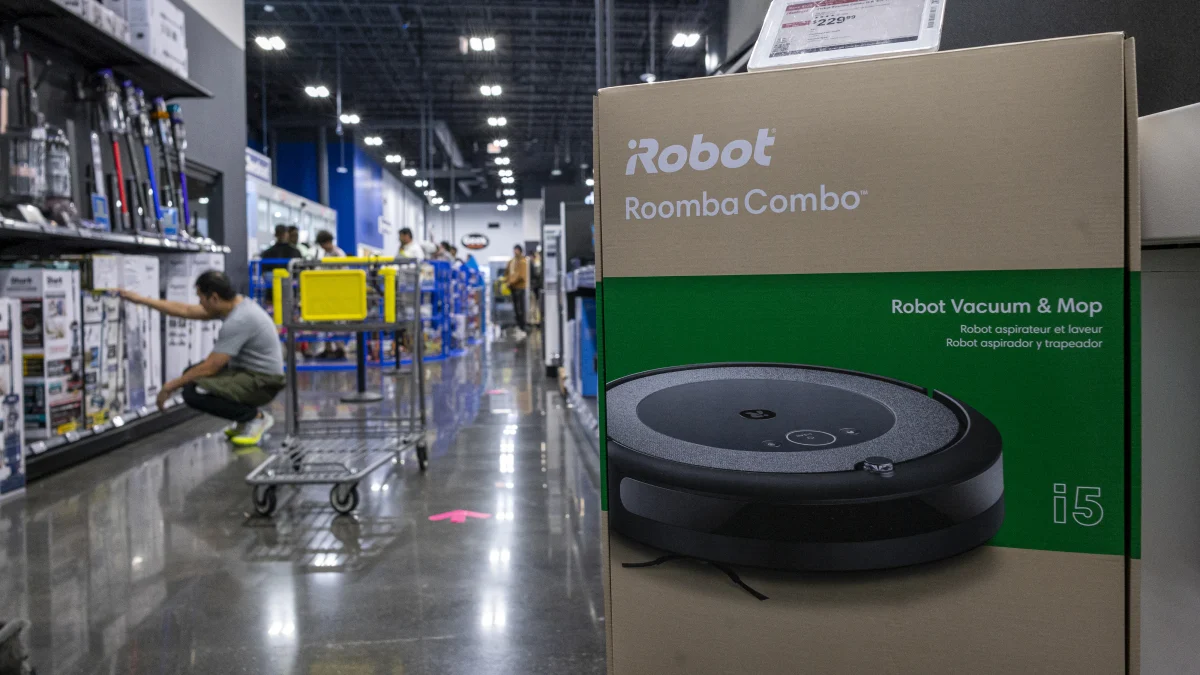

Is the End Near for Roomba? iRobot’s Struggle for Survival
Remember when Roomba was the undisputed king of robot vacuums, revolutionizing home cleaning? Now, the future of iRobot, the company behind the Roomba, hangs precariously in the balance. After a failed acquisition deal with Amazon and subsequent financial struggles, iRobot is facing a very real possibility of ceasing operations altogether. This article delves into the factors contributing to iRobot’s current predicament, the challenges it faces, and what the future might hold for this once-dominant force in the robot vacuum market.
iRobot’s Financial Woes: A Perfect Storm
The recent news regarding iRobot’s financial state paints a bleak picture. The unraveling of the $1.7 billion Amazon acquisition deal, due to regulatory hurdles, served as a major blow. iRobot was heavily reliant on this deal to alleviate its debt and fuel future innovation. Let’s break down the key elements contributing to iRobot’s financial struggles:
- Failed Acquisition: The Amazon deal collapsing left a significant financial void.
- Declining Market Share: Competition from brands like Shark and others has intensified, eroding iRobot’s market share.
- Debt Burden: In July 2023, iRobot took out a $200 million loan to stay afloat, anticipating the Amazon acquisition. This debt now looms large.
- Unsuccessful Strategic Alternatives: Attempts to find an alternative buyer have been unsuccessful, with the latest bidder offering a price deemed unacceptable by iRobot.
The Impact of a Lost Acquisition Deal
The proposed acquisition by Amazon was more than just a financial transaction; it was a lifeline. Amazon’s resources and expertise could have revitalized iRobot, allowing it to compete more effectively in the evolving robot vacuum market. The regulatory concerns that led to the deal’s demise centered on potential antitrust issues. Regulators were concerned that Amazon, already a dominant force in e-commerce and smart home devices, could use the acquisition to unfairly favor Roomba over competing products on its platform. [Source: You could link to a relevant article on the Amazon-iRobot deal falling through here, e.g., from the FTC or WSJ].
The SEC Filing: A Stark Warning
The regulatory filing with the SEC revealed the gravity of iRobot’s situation. The statement that the company “may be forced to significantly curtail or cease operations and would likely seek bankruptcy protection” is a stark warning to investors and consumers alike. This announcement triggered a significant drop in iRobot’s stock price, further compounding its financial difficulties.
Competition and Innovation: Falling Behind the Curve
While financial issues are a major factor, iRobot’s struggles also stem from its inability to keep pace with the rapid advancements in the robot vacuum market. Once a leader in innovation, iRobot has faced challenges in maintaining its competitive edge.
The Rise of Competitors
Brands like Shark, Eufy, and Roborock have emerged as strong contenders, offering comparable or even superior features at competitive prices. These competitors have been aggressive in adopting new technologies and expanding their product lines.
Here’s a comparison of some key features offered by competing robot vacuum brands:
| Feature | Roomba | Shark | Roborock |
|---|---|---|---|
| Navigation | iAdapt (camera-based) | IQ Navigation (laser-based) | LiDAR (laser-based) |
| Mopping | Select models | Select models | Comprehensive mopping systems |
| Self-Emptying | Available | Available | Available |
| Obstacle Avoidance | Select models | Select models | Advanced obstacle avoidance systems |
| Price | Generally higher | Competitive | Competitive |
Note: Features and pricing vary by model.
Innovation Lag: A Critical Issue
Mashable shopping reporters and other tech reviewers have noted that Roombas often lag behind rival vacuums in testing. New flagship robot vacuums now boast features like:
- Smart Laser Mapping: Creating detailed maps of the home for efficient cleaning. [Link to Wikipedia article on SLAM – Simultaneous Localization and Mapping, used in laser mapping]
- Advanced Mopping: Offering sophisticated mopping features, including adjustable water flow and scrubbing modes.
- Self-Cleaning: Automatically emptying dustbins and cleaning mopping pads.
- Object Recognition and Avoidance: Identifying and avoiding obstacles like pet waste and cables.
iRobot has been slower to incorporate these advanced features into its products, putting it at a disadvantage compared to its competitors. This lag in innovation has contributed to its declining market share and revenue problems.
What’s Next for iRobot? Exploring Potential Scenarios
The future of iRobot remains uncertain. Several scenarios could unfold:
- Bankruptcy and Restructuring: iRobot could file for bankruptcy protection to reorganize its finances and operations. This would allow the company to shed debt and potentially emerge as a leaner, more focused entity.
- Acquisition by a Smaller Company: While the Amazon deal fell through, a smaller company might still be interested in acquiring iRobot’s brand and technology. However, the price would likely be significantly lower than what Amazon offered.
- Securing New Funding: iRobot could attempt to secure new funding through venture capital or other sources. This would require a compelling turnaround plan and a demonstration of its ability to compete effectively in the market.
- Complete Shutdown: If iRobot fails to secure funding or find a buyer, it may be forced to cease operations entirely. This would mark the end of a pioneering company in the robot vacuum industry.
People Also Ask (PAA) Considerations
- Why did the Amazon iRobot deal fail? Regulatory concerns regarding antitrust issues led to the deal’s termination.
- What are the best alternatives to Roomba? Shark, Eufy, and Roborock are popular alternatives with competitive features and pricing.
- Is iRobot going out of business? It’s a possibility, as iRobot has warned that it may be forced to cease operations.
- How has competition affected Roomba? Increased competition has eroded iRobot’s market share and put pressure on its profitability.
Conclusion: A Pivotal Moment for Robot Vacuum Pioneer
The situation facing iRobot is a stark reminder of the dynamic nature of the technology industry. What was once a revolutionary product, the Roomba, now faces an uncertain future. The combination of a failed acquisition, increasing competition, and a lag in innovation has created a perfect storm for iRobot. The coming months will be crucial in determining whether the company can secure its future and continue its legacy as a pioneer in the robot vacuum market. Whether through restructuring, acquisition, or a successful turnaround, the next chapter for iRobot will be a closely watched story.
What do you think? Will iRobot manage to turn things around, or is this the beginning of the end for the Roomba? Comment below!
Sources & Further Reading:
Original article at mashable.com


