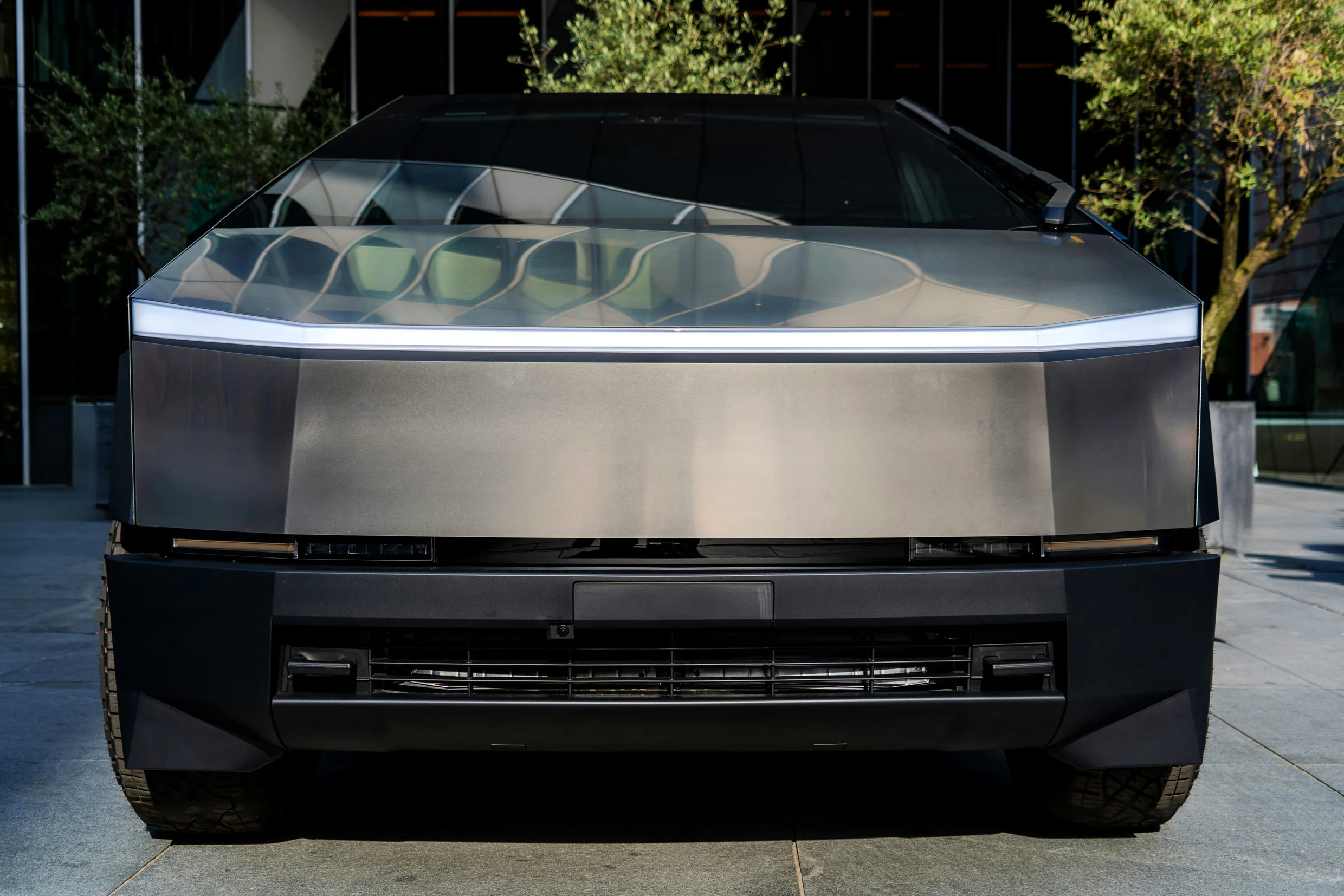

Are Tesla Cybertrucks Too Bright? Recall Issued Over Headlight Concerns
Did you know that overly bright headlights can be just as dangerous as dimmed ones? Tesla is facing scrutiny once again, this time with a recall of over 63,000 Cybertrucks in the United States. The issue? The front lights are deemed excessively bright, potentially posing a distraction to other drivers and increasing the risk of collisions. This recall highlights ongoing concerns regarding safety features and quality control within the electric vehicle manufacturer, adding another layer to the ongoing narrative surrounding Tesla’s innovation and its real-world implementation. This article will delve into the details of the recall, its implications, and the broader context of Tesla’s recent challenges.
Tesla Cybertruck Recall: Bright Lights, Big Problem
The latest chapter in the Tesla saga involves a significant Tesla Cybertruck recall. The National Highway Traffic Safety Administration (NHTSA) has identified that the front lights on certain Cybertruck models are too bright, creating a potential hazard for other drivers on the road. This recall impacts Cybertrucks manufactured between November 13, 2023, and October 11, 2025, specifically those with operating software versions prior to 2025.38.3.
NHTSA Concerns: A Closer Look at the Safety Risk
The NHTSA’s primary concern is that overly bright headlights can cause glare and temporary blindness in oncoming drivers. This distraction can lead to:
- Increased reaction time.
- Difficulty judging distances.
- An increased risk of accidents, particularly at night or in low-light conditions.
While the NHTSA reports that Tesla is currently unaware of any collisions, injuries, or fatalities directly related to this particular headlight issue, the potential risk is substantial enough to warrant a widespread recall. The agency takes such matters seriously, as it impacts overall road safety for not just Tesla owners, but everyone on the road.
Tesla’s Response: A Software Solution
Tesla, under the leadership of Elon Musk, is addressing the problem with a free software update. This over-the-air (OTA) update will adjust the headlight brightness levels to comply with safety regulations and minimize the risk of distraction. This approach allows Tesla to address the issue efficiently and remotely, without requiring owners to bring their vehicles into service centers for physical modifications. The update illustrates the power of modern connected vehicles.
Tesla Under Scrutiny: A Pattern of Safety Concerns
This Cybertruck recall is not an isolated incident. It arrives amidst a backdrop of increasing scrutiny over Tesla’s technology and safety features.
Full Self-Driving Investigation: A Deeper Dive
Federal regulators have initiated another investigation into Tesla’s “Full Self-Driving” (FSD) feature. The NHTSA is examining 58 reported incidents where Teslas operating with FSD allegedly violated traffic laws, including running red lights and driving on the wrong side of the road. These incidents have resulted in over a dozen crashes and fires, as well as nearly two dozen injuries. The severity of these occurrences puts pressure on Tesla to improve its self-driving safety features.
This new probe adds to the existing investigations into Tesla’s technology. These open investigations create an uncertain future for Tesla’s vision of turning its existing fleet of vehicles into fully autonomous vehicles through software updates. The potential for increased regulatory oversight and stricter requirements could significantly impact Tesla’s long-term plans.
Previous Cybertruck Recall: Windshield Panel Concerns
Back in March, U.S. safety regulators recalled virtually all Cybertrucks on the road due to a separate safety concern. The NHTSA’s recall, which covered over 46,000 Cybertrucks, warned that an exterior panel located along the left and right side of the windshield can detach while driving. This poses a hazard to other drivers and increases the risk of a crash. This further illustrates the complexities of manufacturing a brand new, cutting-edge vehicle.
Financial Performance: Profits Decline Amidst Safety Concerns
The recalls and safety investigations are occurring against the backdrop of a challenging financial landscape for Tesla. The company recently reported its fourth consecutive quarter of declining profits. While sales have risen, the automaker reported a substantial 37% drop in third-quarter earnings, falling from $2.2 billion to $1.4 billion.
While a revenue increase provided some relief after earlier sales declines attributed to anti-Musk boycotts, it also came with the downside of customers taking advantage of a $7,500 federal EV tax credit before it expired on October 1st. This likely shifted sales from later quarters into the third quarter, potentially impacting future financial performance.
Here’s a table summarizing Tesla’s financial performance:
| Quarter | Profit (USD Billions) | Change from Previous Year |
|---|---|---|
| Q3 2022 | 2.2 | – |
| Q4 2022 | (Data Unavailable) | Decline |
| Q1 2023 | (Data Unavailable) | Decline |
| Q2 2023 | (Data Unavailable) | Decline |
| Q3 2023 | 1.4 | -37% |
Broader Implications and Future Outlook
The series of recalls and investigations raises questions about Tesla’s approach to quality control, safety testing, and technology development. While Tesla has been lauded for its innovation and rapid advancements in electric vehicle technology, these recent events suggest that a greater emphasis on safety and rigorous testing may be warranted.
Furthermore, the regulatory scrutiny surrounding Tesla’s Full Self-Driving feature could have significant implications for the future of autonomous driving technology. If regulators impose stricter requirements and limitations on autonomous driving systems, it could slow down the development and adoption of this technology across the entire industry.
The ongoing challenges facing Tesla highlight the complex interplay between innovation, safety, and regulation in the rapidly evolving automotive industry.
Here’s a quick recap of the concerns raised:
- Headlight Brightness: Potential hazard to other drivers.
- Full Self-Driving: Alleged traffic law violations and accidents.
- Windshield Panel: Risk of detachment and road hazards.
- Financial Performance: Declining profits.
Conclusion: Navigating the Road Ahead
The Tesla Cybertruck recall due to overly bright headlights serves as a reminder of the challenges inherent in pushing technological boundaries. While Tesla is addressing the issue with a software update, the incident adds to the growing list of safety concerns surrounding the company. The ongoing investigations into Tesla’s Full Self-Driving feature and the recent financial performance further complicate the picture. The balance between innovation, safety, and regulatory compliance will be crucial for Tesla’s future success and the broader adoption of autonomous driving technology. What do you think about Tesla’s recent recall? Share your thoughts in the comments below!
Sources & Further Reading:
Original article at www.fastcompany.com


