
Are You Cleaning Your Ears Wrong? The Truth About Earwax Removal
Ever felt that uncomfortable blockage in your ear and reached for a Q-tip, hoping for instant relief? You’re not alone. It’s a common impulse, but studies show that using cotton swabs to remove earwax can actually do more harm than good. In fact, trying to clean your ears with certain methods can be detrimental to your hearing and overall ear health. So, what’s the safest and most effective way to manage earwax? Let’s dive into the surprising science of ear cleaning and debunk some common myths.
The Dangers of Q-tips and Improper Ear Cleaning
Why Q-tips Are Not Your Ear’s Best Friend
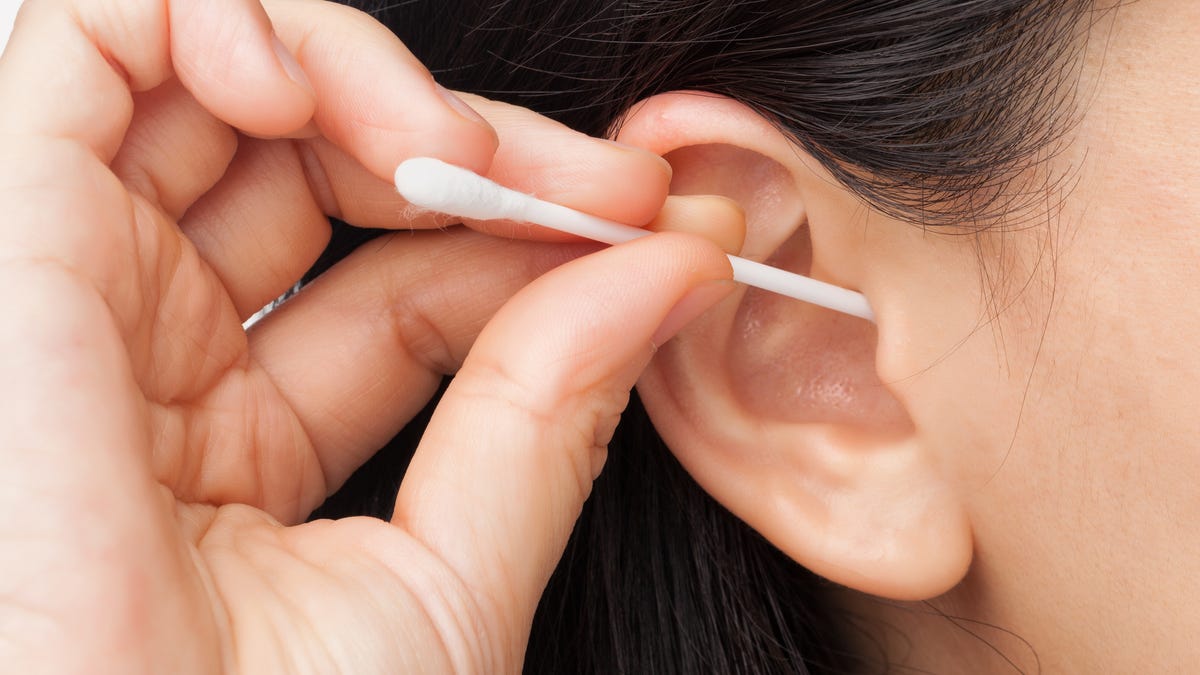
Cotton swabs, often known by the brand name Q-tips, are frequently the go-to tool for ear cleaning. Their accessibility and familiar shape contribute to their widespread use. However, the design of a Q-tip is inherently problematic for earwax removal. Due to their long, narrow shape, Q-tips often push earwax further into the ear canal, rather than extracting it. This can lead to compacted earwax, causing blockage and even temporary hearing loss.
The ear canal is a delicate structure, only about an inch (2.5 centimeters) deep. Pushing a Q-tip too far can easily damage the eardrum, potentially leading to a puncture. One ear, nose, and throat specialist even reported treating patients who seriously injured their eardrums by accidentally ramming a Q-tip further into their ear when answering a phone call. This highlights the unexpected dangers associated with using Q-tips inside the ear canal.
The safest approach is to restrict Q-tip use to cleaning the outer portion of the ear, outside the canal. A gentle swipe with a tissue or damp cloth is sufficient for this purpose.
The Unexpected Role of Earwax: Why You Shouldn’t Be So Quick to Remove It
It might seem counterintuitive, but earwax, also known as cerumen, is actually vital for ear health. This sticky substance is produced by glands in the ear canal and serves several important functions according to Harvard Medical School.
- Lubrication: Earwax keeps the ear canal moisturized, preventing dryness and itching.
- Protection: It acts as a barrier, trapping dirt, dust, and other foreign particles, preventing them from reaching the delicate eardrum.
- Antibacterial and Antifungal Properties: Earwax contains chemicals that inhibit the growth of bacteria and fungi, protecting the ear from infection.
The ear has a natural self-cleaning mechanism. Earwax slowly migrates from the inner ear to the outer ear, carrying debris with it. Chewing and jaw movements aid this process. In most cases, the ear will naturally expel excess earwax without any intervention. Interfering with this natural process can disrupt the ear’s delicate ecosystem and increase the risk of problems.
When is Earwax Removal Necessary?
While generally self-cleaning, some individuals experience excessive earwax buildup. This can be due to factors like genetics, age, or the use of hearing aids. Hearing aids, in particular, can disrupt the natural migration of earwax and lead to impaction. Signs of excessive earwax buildup include:
- Earache
- Feeling of fullness in the ear
- Hearing loss
- Tinnitus (ringing in the ear)
- Dizziness
If you experience any of these symptoms, it’s crucial to consult a doctor. They can accurately diagnose the problem and recommend the most appropriate treatment.
Safe and Effective Ear Cleaning Methods
If your doctor confirms that you have excessive earwax and approves home cleaning, here are a few safe and effective DIY methods:
-
Damp Washcloth: Gently wipe the outer ear with a damp washcloth. This is the safest and most basic method for removing excess wax that has naturally migrated out of the ear canal.
-
Ear Irrigation: This involves rinsing the ear canal with a gentle stream of warm water or a saline solution.
- Soak a cotton ball in warm water, saline solution, mineral oil, or hydrogen peroxide.
- Tilt your head so the affected ear faces the ceiling.
- Gently squeeze the cotton ball, allowing the liquid to drip into the ear canal.
- Let it sit for a minute or two to soften the earwax.
- Tilt your head in the opposite direction to drain the liquid and softened wax.
-
Over-the-Counter Ear Drops: These drops work similarly to ear irrigation, softening the earwax to facilitate its natural removal. Some drops include a dropper or bulb syringe for irrigation. However, exercise caution with syringes, especially if you have a damaged eardrum, as the pressure can force water into the middle ear and lead to infection.
Method Safety Level Effectiveness Considerations Damp Washcloth High Low Best for removing wax from the outer ear only. Ear Irrigation Medium Medium Avoid if you have a perforated eardrum or are prone to ear infections. Use lukewarm water to prevent dizziness. Over-the-Counter Drops Medium Medium Follow product instructions carefully.
Ear Cleaning Methods to Avoid
Not all ear cleaning techniques are created equal. Some popular methods are ineffective and potentially dangerous:
- Ear Candling: This involves inserting a hollow candle into the ear canal and lighting the other end, with the belief that the flame will create suction and draw out earwax. Ear candling is widely debunked by medical professionals as confirmed by Consumer Reports and the FDA has issued warnings against it due to the risk of burns, eardrum punctures, and lack of proven effectiveness.
- Deep-Cleaning Ear Kits: These kits often contain sharp or pointed tools designed to scoop out earwax. These instruments can easily damage the ear canal or eardrum, leading to bleeding, infection, and hearing loss.
- Sharp Objects: Never use sharp objects, such as bobby pins or keys, to clean your ears. These objects can cause cuts and abrasions, increasing the risk of infection.
Who Should Avoid At-Home Ear Cleaning?
Certain individuals should avoid cleaning their ears at home and seek professional help:
- People with Diabetes: Diabetics are more prone to infections and may have impaired healing.
- People on Blood Thinners: Blood thinners increase the risk of bleeding, which can be problematic if you accidentally injure your ear canal.
- People with a History of Ear Infections or Eardrum Perforation: Home cleaning can exacerbate these conditions.
In general, if you’re unsure about the best way to clean your ears, it’s always best to consult a doctor. They have the expertise and equipment to safely remove earwax and address any underlying ear problems.
Conclusion: Prioritizing Safe Ear Care
While it’s tempting to take ear cleaning into your own hands, especially when you feel a blockage, remember that your ears are delicate and naturally self-cleaning. Understanding the function of earwax is the first step to proper ear care. Q-tips, while a staple in many bathrooms, can cause significant harm when used incorrectly.
By understanding the dangers of certain cleaning methods and embracing safer alternatives, you can maintain healthy ears and protect your hearing. If you have any concerns about earwax buildup or ear health, don’t hesitate to consult a medical professional.
What are your thoughts on safe ear cleaning practices? Share your experiences and questions in the comments below!
Sources & Further Reading:
Original article at www.cnet.com


