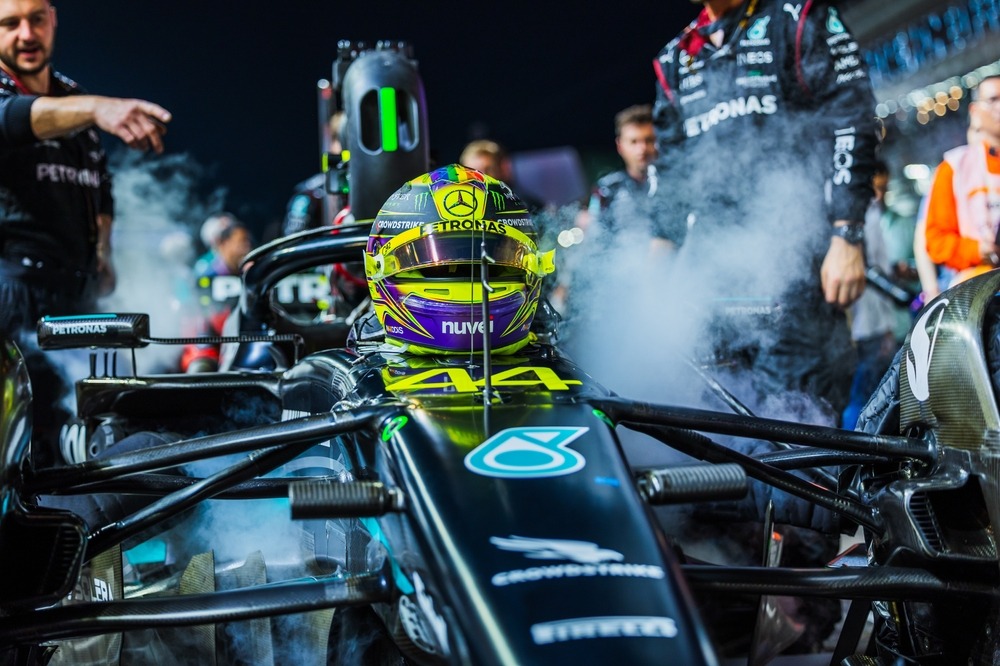

Formula One Races into the Future with SAP: How Mercedes-AMG Petronas F1 is Revamping Operations
Did you know that Formula One teams are facing a budget cap of over $200 million? To stay competitive under increasingly stringent financial regulations, teams are turning to cutting-edge technology. The Mercedes-AMG Petronas Formula One Team is leading the charge, partnering with SAP to revolutionize its financial and operational systems. This article delves into how this collaboration will impact the team’s performance, sustainability, and the future of Formula One. This partnership highlights the growing importance of financial management and operational efficiency in modern motorsports.
The Need for Speed (and Smarter Finances): F1’s Regulatory Changes
The world of Formula One is known for its high speeds, technological innovation, and intense competition. However, in recent years, a new challenge has emerged: navigating increasingly complex financial regulations. The Fédération Internationale de l’Automobile (FIA), the governing body of Formula One, has implemented financial regulations, including a cost cap, to level the playing field and ensure the long-term sustainability of the sport. These rules aim to prevent teams with massive financial backing from dominating the competition solely based on their spending power.
- FIA Financial Regulations: These regulations dictate how much teams can spend annually. The cap has risen to $215 million for the 2026 season to accommodate updated technical rules and newly included expense categories. (Source: FIA)
- Stricter Reporting: Teams are now subject to stricter reporting requirements, facing greater scrutiny over their financial management and how money is spent. This demands accurate, real-time data and robust financial controls.
These regulations present both a challenge and an opportunity. Teams that can effectively manage their finances and operations will have a significant competitive advantage. This is where SAP steps in.
Understanding the F1 Cost Cap and its Implications
The F1 cost cap is not simply a hard limit on spending. It’s a complex set of rules that dictate what expenses are included and excluded. For example, driver salaries and marketing costs are typically excluded, while research and development (R&D), manufacturing, and personnel costs directly related to the car’s performance are included. Successfully navigating this complex landscape requires sophisticated financial management tools.
Here’s a simple breakdown of included vs. excluded expenses (this is not exhaustive):
| Included Expenses | Excluded Expenses |
|---|---|
| Car Development & R&D | Driver Salaries |
| Manufacturing Costs | Marketing & Advertising |
| Team Personnel (Car Related) | Travel & Accommodation |
| Component Costs | FIA Entry Fees |
SAP Cloud ERP: The Digital Backbone for Mercedes-AMG Petronas F1
To meet these challenges, the Mercedes-AMG Petronas F1 Team is implementing SAP Cloud ERP Private as its digital backbone. This comprehensive system offers:
- Real-time Financial Visibility: SAP’s platform provides a clear, up-to-the-minute view of the team’s financial performance. This allows for proactive decision-making and better resource allocation.
- Predictive Analytics: By leveraging data analytics, the team can forecast budgets, identify potential cost overruns, and optimize spending strategies. This allows them to anticipate and mitigate financial risks.
- Streamlined Processes: The system automates and streamlines various operational processes, from inventory management to reporting, freeing up valuable time and resources.
This isn’t just about cutting costs; it’s about making strategic investments that maximize performance within the allowed budget.
Tracking and Valuing 14,500+ Car Components
A crucial aspect of SAP’s implementation involves tracking and valuing the more than 14,500 components that make up a Formula One car. This is a complex task, as these components are constantly being upgraded, repaired, and replaced. The SAP system will:
- Reduce Manual Reporting: Automating the tracking and valuation process reduces the need for manual reporting to the FIA, minimizing the risk of errors and saving valuable time.
- Ensure Accurate Part Valuations: The system provides accurate valuations of each component, which is essential for complying with financial regulations and optimizing performance. This is especially important during race weekends, when components might need to be assessed for value due to damage or replacement.
This level of precision allows the team to maintain accurate records of its assets and ensure compliance with the financial regulations.
Beyond Finance: Optimizing Operations and Sustainability
The partnership with SAP extends beyond financial controls. Mercedes-AMG Petronas F1 Team is leveraging SAP’s technology to optimize various aspects of its operations, including:
- Supply Chain Optimization: SAP Business AI helps forecast demand, optimize supply chains, and manage inventory more effectively. This ensures that the team has the right components at the right time, minimizing downtime and maximizing performance.
- Business AI: Improves budget forecasting and operational management.
- Sustainability Initiatives: SAP’s tools are also being used to drive sustainability initiatives. Intelligent data models help reduce the team’s carbon footprint and improve efficiency. This aligns with the growing emphasis on environmental responsibility within Formula One.
This commitment to sustainability not only benefits the environment but also enhances the team’s reputation and attracts environmentally conscious sponsors.
Custom Applications and Enhanced Collaboration
The Mercedes-AMG Petronas F1 Team is also utilizing SAP Business Technology Platform and SAP Build to create custom applications that digitize workflows and enhance collaboration between departments. These custom solutions can:
- Automate Manual Processes: Automate repetitive tasks, freeing up personnel to focus on more strategic initiatives.
- Improve Communication: Facilitate seamless communication and collaboration between different departments, ensuring that everyone is on the same page.
- Enhance Data Accessibility: Provide easy access to relevant data, empowering employees to make informed decisions.
This digital transformation is fostering a more agile, efficient, and data-driven culture within the team.
The Future of Formula One: Digital Transformation and AI
The partnership between Mercedes-AMG Petronas F1 Team and SAP represents a significant step towards the future of Formula One. As Sebastian Steinhaeuser, SAP chief operating officer, said, “The Mercedes-AMG Petronas F1 Team is setting the standard for digital transformation and AI-driven progress in motorsport.”
This collaboration demonstrates that:
- Operational Excellence and Innovation Go Hand in Hand: By embracing digital transformation and leveraging AI, teams can achieve both operational excellence and technological innovation.
- Data is the New Fuel: In the modern era of Formula One, data is becoming as important as fuel. Teams that can effectively collect, analyze, and utilize data will have a significant competitive advantage.
- AI-Driven Progress is Paramount: From optimizing supply chains to predicting race outcomes, AI is poised to play an increasingly important role in the future of Formula One.
This strategic partnership is not just about winning races; it’s about shaping the future of the sport.
Conclusion: Racing Smarter, Not Just Faster
The Mercedes-AMG Petronas F1 Team’s partnership with SAP is a game-changer. By implementing SAP Cloud ERP and leveraging AI-driven solutions, the team is revolutionizing its financial management, operational efficiency, and sustainability initiatives. This forward-thinking approach will not only help the team comply with financial regulations but also position it for long-term success in the ever-evolving world of Formula One. The focus on financial management is crucial for staying competitive.
What do you think about the impact of technology on Formula One? Comment below and share your thoughts!
Sources & Further Reading:
Original article at techinformed.com


