
Navigating the “Off-Label” Vaccine Maze: Who’s Eligible and What Are the Risks?
Are you among those wondering if you still qualify for a COVID-19 vaccine booster or a specific formulation, even after the FDA’s updated guidance? The recent changes to vaccine labels have created a complex situation, particularly for individuals who might require “off-label” use. This article delves into the nuances of off-label vaccine administration, exploring the challenges faced by pharmacists, the options available through doctors, and the specific case of vaccination during pregnancy. Understanding these complexities is crucial for making informed decisions about your health and navigating the evolving landscape of vaccine eligibility.
Understanding Off-Label Vaccine Use: What Does It Mean?
The term “off-label” refers to the use of a medication, including vaccines, in a way that is not specifically approved by the Food and Drug Administration (FDA). This could mean using a different dosage, administering it to a different age group, or using it for a different medical condition than what’s stated on the official product label.
The Pharmacist’s Perspective: A Gray Area of Liability
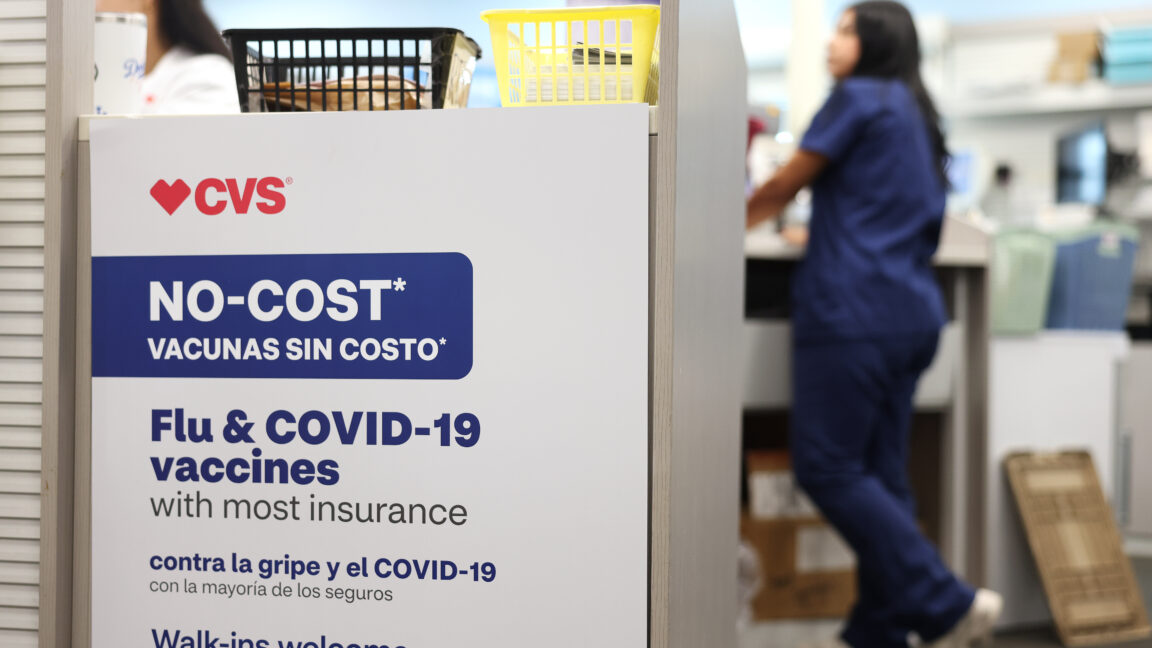
Pharmacists have played a crucial role in the COVID-19 vaccination campaign, providing convenient access to shots across the country. However, the updated FDA guidelines have introduced a degree of uncertainty for them. If a patient requests a vaccine that falls outside the revised label indications, the pharmacist would be administering it “off-label.”
According to experts like Groves, this creates a “very gray” area regarding a pharmacist’s ability to proceed. Administering a vaccine off-label raises potential liability concerns. Even if a patient obtains a prescription for the vaccine from a doctor, it might not be enough to authorize the pharmacist to administer it.
- Corresponding Responsibility: Pharmacists operate under a principle called “corresponding responsibility.” This means that even with a valid prescription, they are obligated to ensure the medication is appropriate for the patient, given at the right time, and indicated for their specific condition. Administering a vaccine off-label can conflict with this responsibility, potentially exposing them to legal risks.
The Doctor’s Option: Weighing Benefits and Convenience
Unlike pharmacists, doctors generally have more latitude in prescribing and administering medications off-label. They can consider guidance from medical organizations like the American Academy of Pediatrics (AAP) or the American College of Obstetricians and Gynecologists (ACOG), and they can also use their professional judgment to determine what’s best for their patients. This inherent flexibility allows doctors to administer vaccines off-label without facing the same heightened liability concerns as pharmacists. Wikipedia: Off-label use
However, this option isn’t without its drawbacks.
- Accessibility and Convenience: Scheduling an appointment with a doctor requires more time and effort compared to simply walking into a pharmacy.
- Vaccine Availability: While pharmacies have been the primary distributors of COVID-19 vaccines, some doctor’s offices may not have them readily available.
- Convincing the Doctor: Patients may need to actively discuss their situation with their doctor and persuade them to administer the vaccine off-label, which might involve providing evidence or explaining their rationale.
Off-Label Vaccine Use: Examining the Risks and Benefits
Off-label vaccine use, like any medical intervention, involves weighing potential risks and benefits. The decision to administer a vaccine off-label should be made on a case-by-case basis, taking into account the individual’s medical history, risk factors, and potential benefits of vaccination.
| Factor | Considerations |
|---|---|
| Potential Risks | Possible side effects of the vaccine; lack of specific clinical trial data on off-label use; potential liability concerns for providers (especially pharmacists). |
| Potential Benefits | Protection against severe illness, hospitalization, and death from COVID-19; peace of mind for individuals in high-risk categories; alignment with recommendations from trusted medical organizations. |
| Legal/Ethical Concerns | Scope of practice for healthcare professionals (especially pharmacists); informed consent and shared decision-making with patients; balancing individual autonomy and public health concerns. |
Specific Case: Vaccination During Pregnancy – A Lingering Question
The status of pregnancy as a high-risk condition for COVID-19 vaccination has become somewhat ambiguous after the FDA’s recent label changes. In May, the FDA included pregnancy on a list of conditions that warranted consideration for vaccination. However, this list was not formalized when the agency updated the vaccine labels last month.
This ambiguity raises the question: Does pregnancy still automatically qualify individuals for vaccination, or should the CDC’s existing list of high-risk conditions – which does include pregnancy – be the default guideline?
This situation underscores the challenges of navigating evolving medical guidelines and the importance of seeking clarification from healthcare providers.
The Centers for Disease Control and Prevention (CDC) still recommends vaccination for pregnant people.
Why is this important?
Pregnant individuals are at increased risk for severe illness, hospitalization, and death from COVID-19 compared to non-pregnant individuals. Additionally, COVID-19 during pregnancy can increase the risk of adverse pregnancy outcomes, such as preterm birth. Vaccination is a critical tool for protecting both the pregnant person and their baby.
Navigating the Vaccine Landscape: Key Considerations
Here are some key considerations for individuals trying to navigate the current vaccine landscape:
- Consult with your doctor: Discuss your individual situation, medical history, and risk factors with your healthcare provider. They can help you determine whether off-label vaccination is appropriate for you.
- Stay informed: Keep up-to-date on the latest guidelines and recommendations from reputable sources like the CDC, FDA, and leading medical organizations.
- Understand the risks and benefits: Carefully weigh the potential risks and benefits of vaccination, particularly if you are considering off-label use.
- Ask questions: Don’t hesitate to ask your doctor or pharmacist any questions you have about the vaccine, its administration, and potential side effects.
- Document everything: Keep records of your vaccinations, prescriptions, and any discussions you have with your healthcare providers.
Conclusion: Empowering Informed Decisions
The changes to vaccine labels have undoubtedly introduced complexities and uncertainties regarding eligibility and administration. While navigating this evolving landscape can be challenging, it’s essential to stay informed, consult with your healthcare provider, and understand the potential risks and benefits of both vaccination and off-label use. By working collaboratively with your doctor or pharmacist, you can make informed decisions that prioritize your health and well-being.
What are your thoughts on off-label vaccine use? Share your questions and perspectives in the comments below!
Sources & Further Reading:
Original article at arstechnica.com


