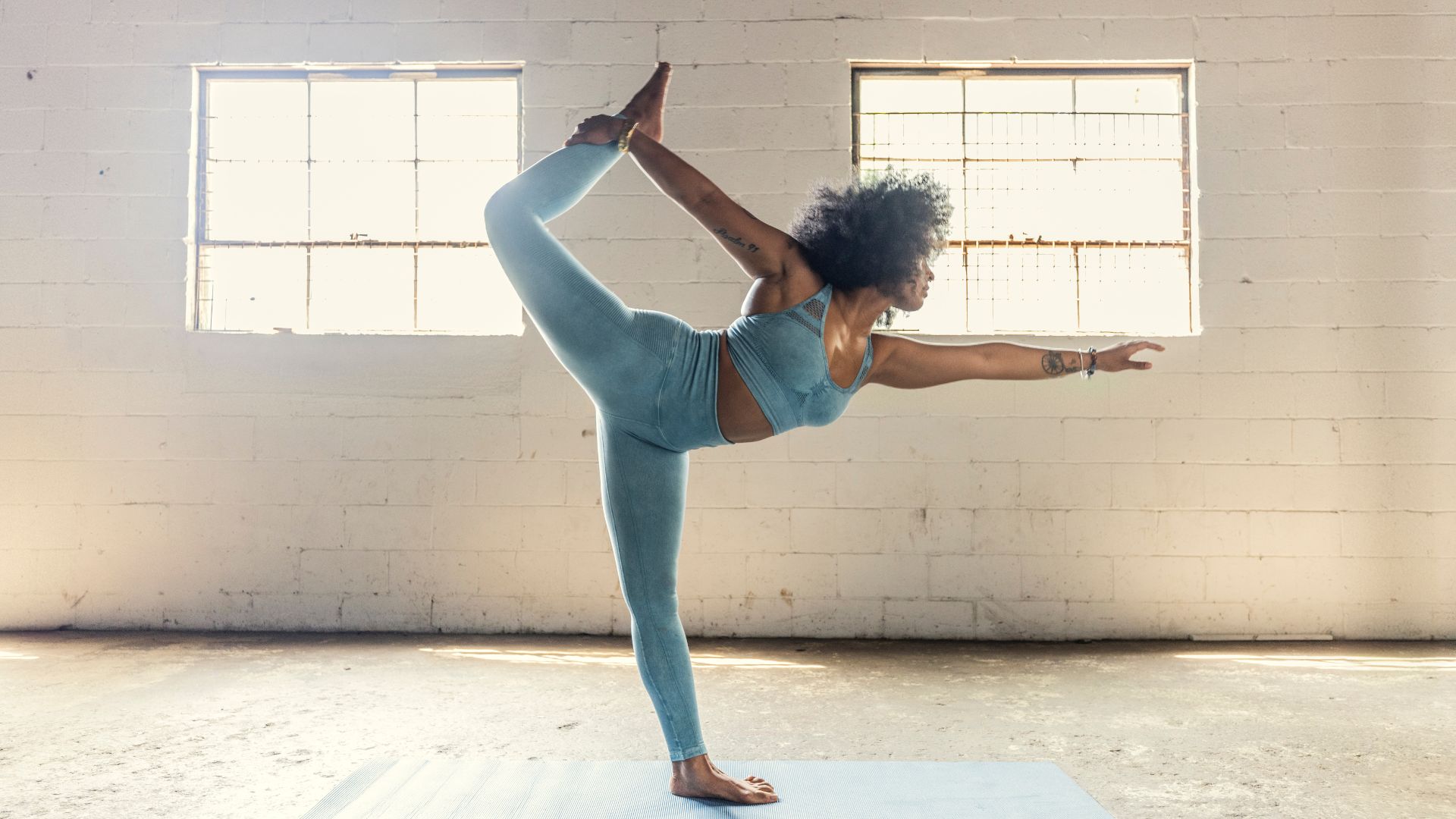

The Sleep Revolution: How High-Intensity Yoga Unlocks Deep Rest
Tossing and turning night after night? You’re far from alone—insomnia affects up to 30% of adults globally. While exercise is a well-known sleep aid, a breakthrough study reveals not all workouts are created equal. Research in Sleep and Biological Rhythms pinpoints yoga for sleep enhancement as exceptionally effective, outperforming traditional options like aerobic exercise. But the devil is in the details: Intensity, timing, and consistency transform this ancient practice into a modern sleep solution.
The Research That Rewrote the Rules
Scientists analyzed 30 clinical trials involving 2,576 participants with documented sleep disturbances. Their goal? Identify the optimal exercise regimen for improving sleep quality. The results surprised even the researchers:
-
Exercise Type Ranking:
Yoga topped the list, followed by walking, resistance training, dance, traditional Chinese exercises (like Tai Chi), and finally, aerobic exercise. -
Optimal Yoga Protocol:
- Frequency: Twice weekly
- Intensity: High (e.g., Vinyasa or Power Yoga)
- Duration: ≤30 minutes/session
- Program Length: 8–10 weeks
This specific combination improved sleep quality significantly more than other activities. Historically, aerobic exercise was considered the gold standard for sleep disorders. So why did yoga dominate?
Yoga’s Triple-Action Sleep Mechanism
Unlike purely physical workouts, yoga uniquely harmonizes physiology and neurology through three pathways:
-
Physical Tension Release:
Stretching reduces muscle stiffness and promotes bodily relaxation. Studies note yoga lowers cortisol by 27% on average, facilitating a calmer state. -
Neurological Calming:
Breathwork (pranayama) activates the parasympathetic nervous system—your “rest and digest” switch—lowering heart rate and blood pressure. Research links this to increased delta brain waves, crucial for deep sleep. -
Cognitive Quieting:
Mindfulness components disrupt rumination. A 2023 meta-analysis found yoga practitioners gained up to 110 extra minutes of sleep nightly, partly by reducing anxiety-driven wakefulness.
As Dr. Raj Dasgupta (Chief Medical Advisor, Garage Gym Reviews) explains: “Yoga uniquely exhausts the body while focusing the mind. That rare combo—physical fatigue without mental overdrive—is sleep’s holy grail.”
The Critical Timing Caveat
High-intensity yoga close to bedtime sabotages sleep. Monash University’s study of 14,689 participants showed intense exercise within three hours of sleep:
- Reduces sleep duration by 20-30 minutes
- Increases sleep onset latency (time to fall asleep) by 56%
- Elevates nighttime awakenings
This occurs because intensity spikes core temperature, heart rate, and adrenaline—activating alertness systems incompatible with sleep preparation.
Ideal Yoga Timing for Maximum Benefit
Late afternoon or early evening emerges as the scientific sweet spot. Dr. Dasgupta advises: “Finish sessions 3-4 hours before bed. This buffers the post-exercise alert phase and syncs relaxation effects with wind-down time.” Below, the sleep-impact timeline based on intensity:
| Exercise Completion Time | Effect on Sleep Quality |
|---|---|
| 1-3 hours before bed | Significantly disrupted |
| 3-4 hours before bed | Neutral to positive |
| 4+ hours before bed | Optimal improvement |
Beyond Yoga: Expert Sleep Optimizations
Complement your yoga practice with evidence-backed tactics:
Sync Your Biological Clock
Irregular sleep schedules fragment circadian rhythms. Fix it:
- Set fixed bed/wake times (even weekends).
- Use sleep trackers (e.g., Oura Ring) to monitor consistency.
- Target 7-9 hours nightly.
Smart Caffeine Management
Caffeine’s half-life reaches 12 hours. Strategy:
- Cut off intake 8 hours pre-bed.
- Avoid hidden sources (sodas, tea, chocolate).
Bedroom Environment Tweaks
Optimize your space using sleep science principles:
- Temperature: Maintain 60–67°F (16–19°C). Cool rooms lower core body temp for sleep onset.
- Darkness: Use blackout curtains or sleep masks—light disrupts melatonin release.
- Sound: White noise machines mask disruptive background noise.
The Wind-Down Protocol
Transition consciously into sleep mode:
- 1 hour before bed: Stop work/screen use.
- Choose activities like:
- Gentle stretching
- Meditation
- Reading fiction
- Herbal tea (chamomile, valerian root)
Your Path to Restful Mornings
High-intensity yoga’s structured, breath-centered approach makes it uniquely positioned to resolve sleep struggles—when timed correctly. Pair twice-weekly power yoga sessions with circadian alignment, caffeine control, and an optimized sleep sanctuary to silence sleeplessness. Remember, consistency matters: 8–10 weeks of dedication yield lasting changes. As scientists note, more studies will refine these findings, but the immediate benefits are undeniable. Eager to transform your nights? Roll out that mat today—and think before you sip that late espresso.
Ready to share your sleep journey? We’d love to hear how yoga reshaped your rest—drop your stories below!


