
The Inbox Afterlife: How Proton’s New Feature Solves Our Digital Legacy Dilemma
What happens to your encrypted emails, sensitive documents, and password vault if you’re suddenly incapacitated or pass away? For privacy-focused users of secure services like those offered by Proton, this isn’t a morbid question – it’s a pressing reality. Locked down by end-to-end encryption, intended specifically to keep data away from everyone except the owner, critical personal information could be rendered permanently inaccessible to grieving families or critical for managing affairs. Addressing this significant gap, Proton has launched “Emergency Access,” a feature tackling the delicate balance between ironclad privacy and responsible digital legacy planning. This innovative proton data recovery mechanism offers peace of mind, ensuring your trusted contacts can reach essential information when you cannot, without undermining the core privacy principles Proton is built upon.
Demystifying Proton’s Emergency Access Solution
Proton, renowned for its strong stance on privacy with services like Proton Mail, Proton Drive, and Proton Pass, identified Emergency Access as a top user request. It’s a direct response to the inherent conflict in secure systems: encryption protects data from unauthorized access, including, unfortunately, access by loved ones genuinely needing it in an emergency. Without tools like this, managing digital estates often required risky sharing of passwords upfront, relying on third-party legacy services outside the encrypted ecosystem, or facing near-certain permanent data loss.
Core Mechanics: Privacy-Preserving Access
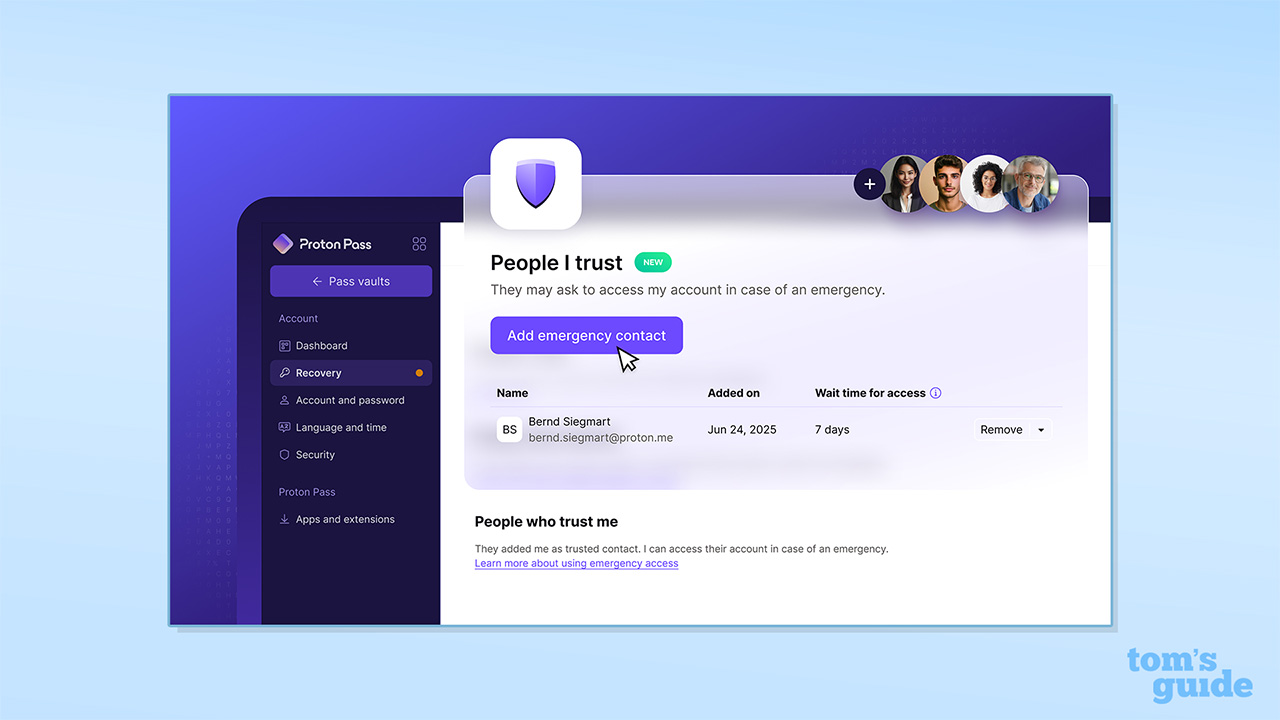
Daniel Rivera Jäggi, Proton’s Senior Product Manager, emphasized that the feature was engineered with privacy and security as non-negotiable. Here’s how Proton Emergency Access functions securely:
- Designating Trusted Contacts: Users can nominate up to five individuals as “emergency contacts.” These are individuals they trust implicitly, like spouses, adult children, or close friends or business partners with power of attorney responsibilities.
- Granular Access Control: Crucially, users define exactly how access is granted:
- Immediate Access: The contact can request and gain entry instantly upon request approval.
- Timed Delay Access: The contact can request access, but it’s only granted after a user-defined waiting period (e.g., 7 days, 1 month, 3 months). This acts as a safety net – if the primary user is available, they can still deny the request during this pre-expiry period.
- The Request Flow:
- The emergency contact initiates a request through their own Proton web interface.
- Proton notifies the primary account holder of this request immediately.
- If Immediate Approval is Set: Access is granted right away.
- If a Delay Period is Set: The timer starts. During this waiting period, the account holder can manually approve or deny the request. If they take no action (presumably because they are incapacitated), access automatically triggers when the timer expires.
- Core Security: Critically, all data accessed via emergency contact features remains end-to-end encrypted. Proton holds no keys to decrypt user data itself (Proton Security Model Explanation). Access granted under Emergency Access functions using the same cryptographic principles; the designated contact uses their own credentials within the encrypted system to access the shared keys necessary for decryption, ensuring Proton itself never gains access.
- Management and Dynamics: Users retain full control. Settings can be modified anytime: contacts can be added or removed, access types changed, and delay periods adjusted. Revoked contacts lose access instantly.
Use Cases and Life Scenarios
Proton Emergency Access isn’t just about death; it addresses a spectrum of urgent situations demanding secure data retrieval:
- Sudden Illness or Injury: Access medical directives stored in emails/drive, manage bill payments via stored financial logins (in Proton Pass), or retrieve critical insurance documents if the primary user is hospitalized or unconscious.
- Travel Mishaps: Less severe but urgent. Grant temporary access to documents, flight details, or contacts if stranded or unable to use personal devices.
- Managing Digital Assets: Facilitates administration of online accounts (financial, social media, subscriptions) for previously shared services or digital property after a user’s passing. Retrieving precious photos, videos, family documents stored in Proton Drive.
- Temporary Delegation: Authorize a lawyer or financial advisor temporary access to specific documents within an encrypted environment for defined purposes.
- Peace of Mind: Simply knowing that vital information won’t be permanently lost offers a significant psychological comfort.
The Larger Context of Digital Estate Planning
Proton’s move highlights the growing importance of formalizing digital legacy planning alongside traditional wills and estate documents. Organizations like the National Association of Estate Planners & Councils (NAEPC) increasingly emphasize incorporating digital assets into overall estate strategies.
Features like Emergency Access provide a practical tool within the secure ecosystem itself, addressing a challenge poorly handled by conventional methods:
- Password Sharing: Sharing master passwords verbally or physically is insecure and static; it grants immediate, unlimited access without audit trails or time limitations.
- Unencrypted Legacy Services: Using separate non-secure services to hold credentials defeats the purpose of strong encryption elsewhere. This data becomes a prime target.
- Platform-Specific Policies: Relying solely on the (often tedious and document-heavy) probate and account recovery processes of individual platforms (like those requiring a death certificate) after the fact can be incredibly slow and complex during grieving.
Ethical Considerations: Trust and Responsibility
Implementing Emergency Access demands careful thought. Granting someone the power to access potentially deeply personal messages, sensitive documents, or credential vaults requires immense trust. Users must:
- Have open conversations with prospective contacts about the responsibility.
- Review trustworthiness periodically as relationships change.
- Understand the scope: Granting access to the entire account is powerful; consider the data types accessible within each Proton service.
The timed delay option specifically mitigates risks with Immediate Approval, serving as a vital safeguard against potential misuse by a trusted contact before a true emergency.
Limitations and Target Audience
It’s vital to note that Proton Emergency Access is currently exclusive to paid users of Proton Unlimited, Business, and Visionary plans. This follows Proton’s model where core privacy features are free, but enhanced convenience and utility features come with premium subscriptions. Free users will need alternative proton data recovery or legacy planning strategies.
Additionally, while it covers accounts within the Proton ecosystem (Mail, Drive, Calendar, Pass), it doesn’t manage external accounts or assets outside Proton unless login credentials are stored within Proton Pass and accessible via this feature.
Proton vs. The Competition: A Privacy-Centric Approach
Proton isn’t the first service to tackle this. Password managers like 1Password and Bitwarden offer similar “Emergency Kit” or “Emergency Access” vault features. Email providers vary widely, with Gmail offering an ‘Inactive Account Manager’ and Apple ID having a ‘Legacy Contact’ system.
Key Differences for Proton:
- Depth of Integrated Services: Combines email, cloud storage, password management, and calendar under a unified emergency access umbrella.
- End-to-End Encryption Guarantee: The feature is architecturally designed to maintain E2EE throughout the access grant process, distinguishing it from many providers.
- Timed Delay Option: This granular control enhances security compared to purely ‘immediate on request’ models elsewhere.
- Integrated Trust Network: Manages emergency contacts within the user’s Proton account ecosystem seamlessly.
Navigating the Digital Aftermath Securely
Proton’s introduction of Emergency Access is a significant step forward in reconciling robust digital privacy with the practical necessity of data accessibility in critical life moments. It transforms a previously high-risk, insecure dilemma into a manageable, privacy-preserving process. By allowing users to proactively designate trusted contacts with clearly defined access parameters, all underpinned by Proton’s unwavering commitment to end-to-end encryption, the feature offers genuine peace of mind. It acknowledges that truly secure digital lives must also include plans for when the unexpected prevents us from managing our virtual selves. While currently exclusive to paid tiers, it sets a powerful precedent for the industry. Have you considered how you might utilize emergency access features to safeguard your own digital legacy? Or perhaps you have concerns about managing access? Let’s discuss the implications for personal privacy planning below.


