
The Unstoppable Rise of Cozy Games: How “Tiny Bookshop” Became an Overnight Steam Sensation
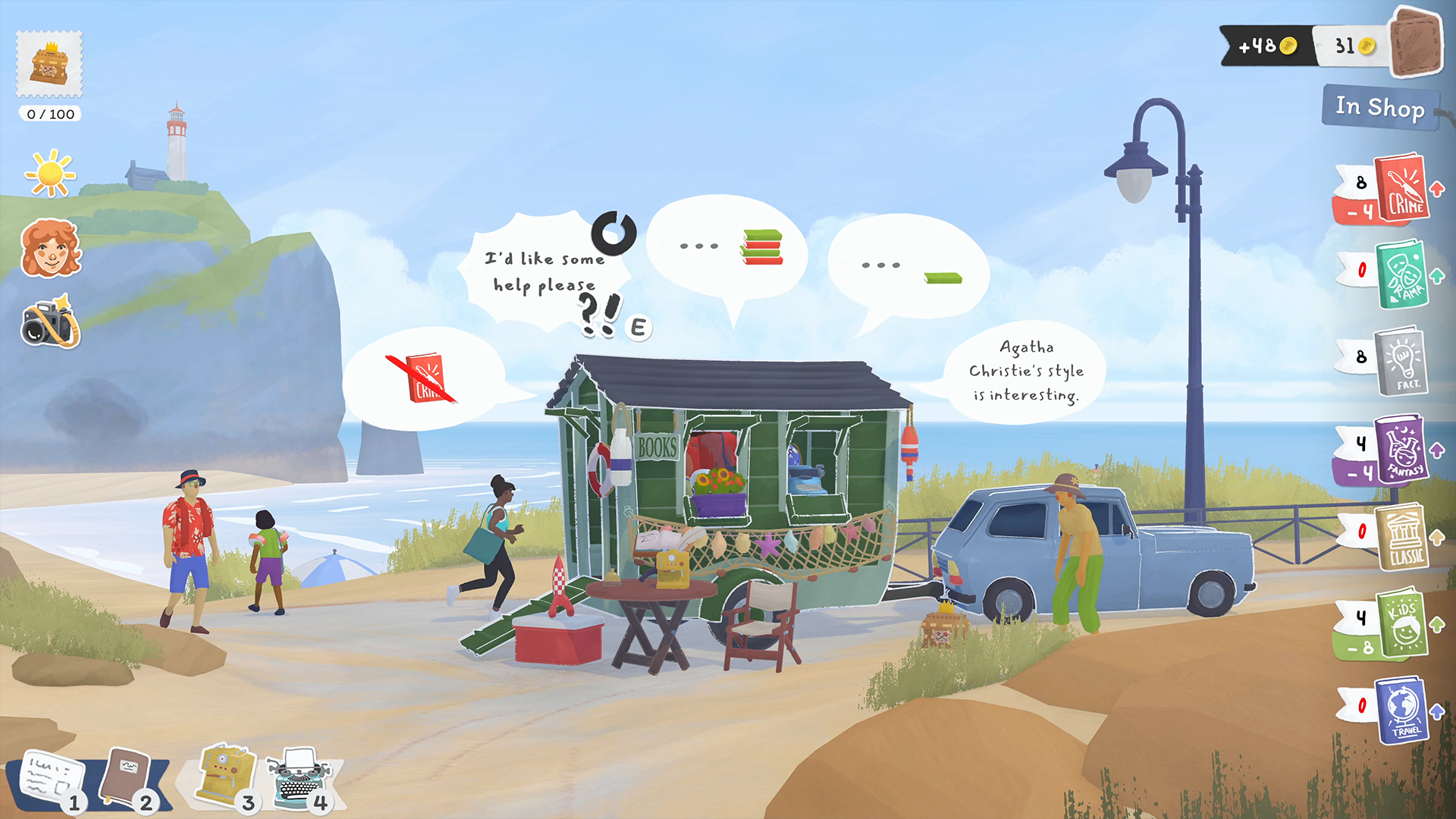
Have you ever felt overwhelmed by competitive shooters or complex RPGs, longing for a digital escape that soothes rather than stresses? You’re not alone. The gaming industry is witnessing a tectonic shift toward “cozy games”—genres emphasizing relaxation, storytelling, and low-stakes creativity. At the forefront of this movement is Tiny Bookshop, a charming narrative-management game that launched on Steam on August 7th. Within days, it amassed over 700 reviews with a 95% positive rating, becoming an instant icon in the cozy gaming community. With its irresistible blend of bookstore management, scenic exploration, and heartfelt character interactions, Tiny Bookshop isn’t just a game—it’s therapy disguised as pixels. Its explosive success underscores a broader cultural craving for gentle, meaningful experiences in our high-pressure world.
The Cozy Games Revolution: Why Players Are Trading Guns for Tea Cups
Cozy games—often featuring farming, crafting, or life simulation—have surged from niche interest to mainstream phenomenon. Titles like Stardew Valley (20+ million copies sold) and Animal Crossing: New Horizons (43 million units) prove the genre’s staggering appeal. A 2022 study by Quantic Foundry revealed that 53% of gamers prioritize relaxation over challenge, explaining why developers are pivoting toward “wholesome” designs. Unlike traditional games emphasizing combat or competition, cozy games thrive on:
- Stress-free mechanics (no time limits, fail states, or complex controls)
- Narrative depth (character backstories, community building)
- Personal expression (customizable spaces and avatars)
- Mindful escapism (tranquil settings like forests, villages, or beaches)
Tiny Bookshop leverages all these elements, tapping into a post-pandemic zeitgeist where gamers seek comfort, autonomy, and emotional connection through play.
Tiny Bookshop’s Gameplay: More Than Just Selling Books
At its core, Tiny Bookshop lets you live out a bibliophile’s fantasy. As the owner of a mobile bookstore, you navigate three key pillars:
1. Inventory Management with Soul
Rather than dry spreadsheet-style gameplay, Tiny Bookshop turns curation into storytelling. Players source diverse titles—classics, mysteries, fantasies—each tagged with themes like “hopeful” or “nostalgic” to match customer personalities. This isn’t just transactional; it’s about understanding patrons’ emotional needs. For example:
- A stressed villager might need a calming poetry collection.
- An adventurous teen seeks fantasy epics.
- A grief-stricken character finds solace in memoirs.
The game cleverly integrates literary curation as psychological insight, rewarding players who pay attention to NPC quirks.
2. Location Scouting and Community Building
Your tiny shop (which you decorate via an intuitive drag-and-day system) travels to coastal towns, forests, and mountain villages. Each location introduces new characters with multi-layered story arcs. Unlike superficial NPC interactions in many games, Tiny Bookshop uses recurring dialogue trees that evolve over weeks, revealing struggles like career burnout, family tensions, or personal dreams. This creates emergent storytelling, where players feel invested in the community’s growth.
3. Customization as Self-Expression
Beyond books, players personalize their shop with:
- Aesthetic upgrades (vintage lamps, window boxes, cozy rugs)
- Functional items (readers’ nooks, coffee stations)
- Exterior themes (beach boho, rustic cabin)
Decorations directly impact gameplay: a well-designed shop attracts more visitors, while thematic displays appeal to niche audiences (e.g., fairy lights lure romance readers).
Decoding Tiny Bookshop’s Record-Breaking Success
Why did this game resonate so profoundly? Data reveals strategic brilliance:
| Success Factor | How Tiny Bookshop Nailed It | Impact |
|---|---|---|
| Timing | Launched amid a wave of cozy-game demand | Over 100k wishlists pre-launch |
| Accessibility | Free demo lowers barrier to entry | Demo drives 33% conversion rate (industry avg: 20%) |
| Psychological Design | Gentle progression + serotonin-triggering tasks (e.g., shelving books) | 95% positive Steam reviews |
| Community Focus | NPCs reflect real-world emotions (loneliness, burnout) | Players report “emotional catharsis” in forums |
Critically, Tiny Bookshop avoids common cozy-game pitfalls:
- No grinding fatigue: Books restock dynamically based on story progress, not repetitive tasks.
- Meaningful rewards: Players earn “Inspiration Points” for deep interactions, unlocking narrative branches instead of mere cosmetics.
- Non-punitive design: Overselling a title won’t ruin relationships—NPCs gently offer new recommendations.
This balance between engagement and ease explains why players binge 3+ hour sessions without frustration.
The Business of Comfort: Why Demos and Discounts Are Genius
Tiny Bookshop’s 10% launch discount isn’t just a sales tactic—it’s psychological framing. Steam data shows discounting cozy games during release can increase units sold by 200% while maintaining revenue. Why?
- Reduced Risk: Players wary of “boring” management games try the demo risk-free.
- Social Proof: Positive reviews (95% of 700+) reinforce purchase decisions.
- Emotional Urgency: Limited-time offers appeal to FOMO-driven cozy gamers seeking quick comfort fixes.
Developers “Little Cat Studios” also partnered with BookTok creators to highlight the game’s literary angle. This targeted marketing educated potential buyers while aligning with bookish subcultures—a masterclass in niche engagement.
Cozy Games as Cultural Counterweights
Tiny Bookshop arrives when gamers—especially millennials and Gen Z—report unprecedented anxiety and burnout. The American Psychological Association notes 75% of adults experienced stress in 2023. Games providing safe, controlled worlds offer tangible relief.
Psychology research explains this draw:
- UCSD studies confirm low-stakes games reduce cortisol by 21%.
- The University of Oxford found games emphasizing social connection (like Tiny Bookshop’s NPC bonds) boost mood comparably to therapy techniques.
As more people turn to games for mental respite, titles like this shift from entertainment to “digital wellness tools”. Tiny Bookshop stands out by merging bibliotherapy (reading’s mental health benefits) with interactive storytelling—proving games can heal, not just distract.
Conclusion: Your Next Comfort Adventure Awaits
Tiny Bookshop exemplifies why cozy games dominate modern gaming: they offer sanctuary. Its record-setting launch—over 700 glowing reviews and counting—stems from masterful design that prioritizes player well-being through thoughtful management mechanics, rich storytelling, and emotional resonance. Beyond the sales numbers, it signals a cultural pivot: gamers globally crave experiences that nurture rather than deplete. As studios embrace this demand, expect even more revolutionary blends of empathy and play.
Ready to swap chaos for the cozy charm of curating the perfect book nook? Try the free Tiny Bookshop demo on Steam—and join a community finding comfort one digital page at a time. Have cozy games reshaped your gaming habits? Share your favorites in the comments!
Sources & Further Reading:
Original article at www.xda-developers.com


