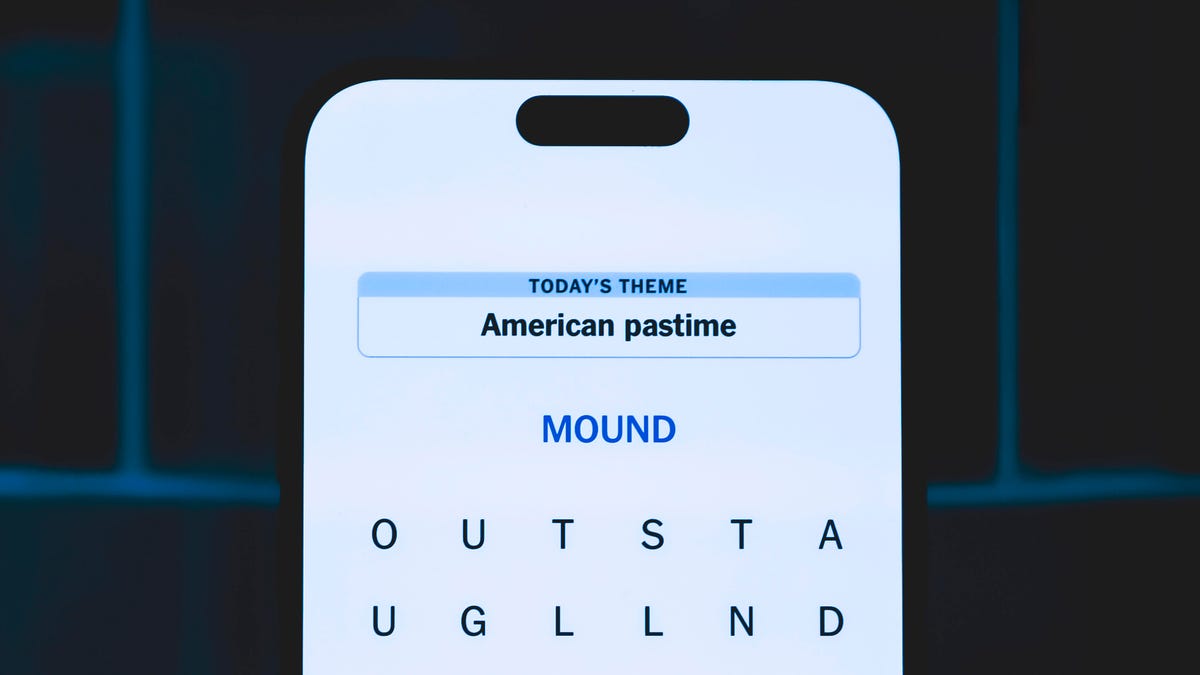

Cracking the Code: A Deep Dive into NYT Strands and the Art of Word Puzzles
Struggling with today’s NYT Strands puzzle? You’re not alone! Word puzzles, like the increasingly popular New York Times Strands, challenge our vocabulary and pattern recognition skills, offering a satisfying mental workout. More than just a game, they’re a daily ritual for many, providing a stimulating break from the day’s demands. This article will explore the intricacies of Strands, offering insights, strategies, and a detailed breakdown of how to approach these brain-teasing puzzles. We’ll look at common challenges, provide helpful hints, and analyze the specific components that make Strands such an engaging and rewarding experience.
Understanding the Allure of NYT Strands
NYT Strands, alongside other popular word games like Wordle and Connections, has quickly become a daily staple for many puzzle enthusiasts. But what makes it so compelling?
- Cognitive Stimulation: Strands forces players to think critically and creatively, stimulating different parts of the brain. The constant search for words within a grid of seemingly random letters enhances cognitive flexibility.
- Vocabulary Expansion: Encountering new words and exploring the nuances of language is a natural byproduct of playing Strands. It subtly expands vocabulary and improves word association skills.
- Sense of Accomplishment: Successfully completing a Strands puzzle provides a satisfying sense of accomplishment, boosting confidence and motivation.
- Community Engagement: The shared experience of tackling the daily puzzle fosters a sense of community among players. Sharing hints, strategies, and celebrating victories together strengthens social bonds.
Deciphering the Rules of the Game: How to Play Strands
Before diving into advanced strategies, let’s quickly recap the rules of Strands. The goal is to find a specific number of words hidden within a grid of letters. These words all relate to a common theme, which is often revealed by the “spangram” – a theme word that stretches across the entire grid.
- Finding Words: Connect adjacent letters to form words. You can move horizontally, vertically, and diagonally.
- The Spangram: Identify the main theme by discovering the spangram, a long word spanning the grid. This is your key to unlocking the remaining theme words.
- Unlocking Hints: If you’re stuck, finding any three words of four or more letters will unlock a hint, revealing the location of one letter from a theme word.
- Complete the Grid: The ultimate goal is to find all the theme words and the spangram, using every letter in the grid.
Tackling Tricky Themes: Strategies for Success
One of the biggest challenges in Strands is deciphering the theme. Here are some effective strategies to help you crack the code:
- Look for Common Patterns: Scan the grid for common letter combinations, prefixes, and suffixes. This can help you identify potential words.
- Brainstorm Related Terms: Once you have a few potential words, brainstorm other terms related to them. This can help you narrow down the theme.
- Utilize Hints Strategically: Don’t waste hints! Use them wisely when you’re truly stuck and have exhausted other options.
- Think Outside the Box: Be open to unconventional interpretations and associations. Sometimes the theme is more abstract than it appears.
Specific Strategies for Identifying the Spangram:
- Scan the Edges: The spangram often starts or ends along the edges of the grid.
- Look for Unusual Letter Combinations: The spangram is often a longer or more unusual word than the other theme words.
- Consider Abstract Concepts: The spangram might represent an overarching idea or concept rather than a concrete object.
Case Study: Analyzing a Previous NYT Strands Puzzle
Let’s examine the August 11, 2025, NYT Strands puzzle described in the source material. The theme was “Find the remainder,” and the spangram was “LEFTOVERS.”
Here’s a breakdown of the solution and how one might approach it:
- Theme: “Find the remainder” immediately suggests words related to what’s left behind or what remains after something else is gone or used up.
- Clues Provided: The clue “Most of it is gone but this remains” reinforces this concept.
- Non-Spangram Answers: The answers – DREGS, TRACE, REMNANT, RESIDUE, VESTIGE, SOUVENIR – all fit this theme. They represent different types of remainders, from the sediment at the bottom of a cup (DREGS) to a lasting memory (SOUVENIR).
- Spangram: LEFTOVERS: This word perfectly encapsulates the overall theme, representing the food remaining after a meal.
Applying the Strategies:
- Initial Scan: A player might start by scanning for common words like “EARS,” “RATE,” or “STAR.”
- Thematic Thinking: Recognizing the “Find the remainder” theme, the player could start thinking of related words like “SCRAPS,” “REMAINS,” or “OVERAGE.”
- Hint Usage: If stuck, unlocking hints strategically could reveal letters in the spangram or other theme words.
- Spangram Identification: Paying attention to longer words that stretch across the grid, the player might eventually spot “LEFTOVERS.”
Table: Analyzing the Relationship Between Theme and Words
| Word | Relationship to Theme (“Find the remainder”) |
|---|---|
| LEFTOVERS | Food remaining after a meal |
| DREGS | Sediment remaining in a liquid |
| TRACE | A small quantity remaining |
| REMNANT | A small part remaining |
| RESIDUE | Something left after a process |
| VESTIGE | A trace of something that is disappearing |
| SOUVENIR | An object kept as a reminder |
Overcoming Common Challenges in Strands Puzzles
Even experienced players encounter challenges in Strands. Here are some common obstacles and tips for overcoming them:
- Overlapping Letters: Recognizing that the same letter can be used in multiple words is crucial.
- Uncommon Vocabulary: Sometimes the answers involve less common words. Expanding your vocabulary through reading and word games can help.
- Misleading Letter Combinations: Don’t get fixated on obvious letter combinations if they don’t fit the theme.
- Theme Misinterpretation: Double-check your understanding of the theme. A slight misinterpretation can lead you down the wrong path.
Strands vs. Other Word Puzzles: A Comparative Analysis
While Strands shares similarities with other word puzzles, it has unique characteristics:
- Strands vs. Wordle: Wordle focuses on guessing a single word within a limited number of attempts, while Strands involves finding multiple theme-related words within a grid.
- Strands vs. Connections: Connections challenges players to group seemingly unrelated words into categories, while Strands requires identifying words related to a specific theme.
- Strands vs. Crosswords: Crosswords rely on clues and intersecting words, while Strands focuses on spatial reasoning and theme identification.
| Feature | Strands | Wordle | Connections | Crosswords |
|---|---|---|---|---|
| Objective | Find theme-related words in a grid | Guess a single word | Group words into categories | Fill a grid with intersecting words |
| Theme | Central to the puzzle | Not applicable | Not applicable | Often present |
| Hint System | Available after finding 3 words | Not applicable | Limited help available | Varies |
| Spatial Reasoning | High importance | Not applicable | Not applicable | Moderate importance |
Conclusion: Embracing the Mental Challenge of Strands
NYT Strands is more than just a game; it’s a mental exercise that sharpens vocabulary, enhances pattern recognition, and provides a satisfying sense of accomplishment. By understanding the rules, applying strategic thinking, and embracing the occasional challenge, you can unlock the full potential of this engaging word puzzle. Whether you are a seasoned puzzle solver or a newcomer to the world of word games, Strands offers a stimulating and rewarding experience that is sure to become a daily habit.
What strategies do you use to conquer the daily Strands puzzle? Share your tips and tricks in the comments below!
Sources & Further Reading:
Original article at www.cnet.com


