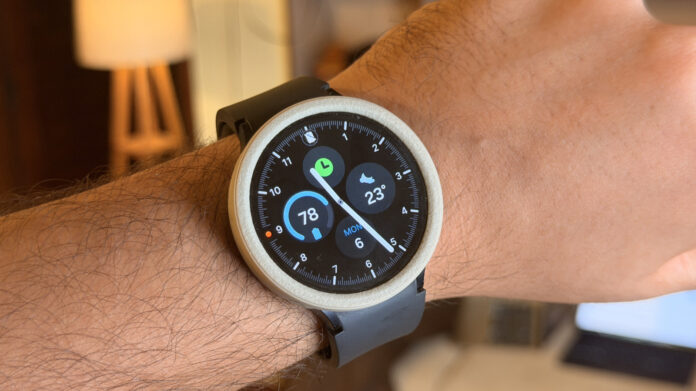

When it comes to the best smartwatches on the Android side of things, the options usually boil down to the Google Pixel Watch and the Samsung Galaxy Watch. Both the Pixel Watch 4 and the Galaxy Watch 8 are solid choices, and which one you choose depends on factors like whether you own a Google Pixel or a Samsung phone, design preferences, or even the type of UI. Samsung also offers a few more options, like the Watch Classic and Watch Ultra series. That said, if you choose a Samsung smartwatch, one issue that plagues most Android watches — including the Galaxy Watch — is mediocre battery life.
On most days, your Galaxy Watch will last you a full day, but you will likely need to charge it right before going to bed. This is less than ideal, especially if you want to use the watch to track your sleep or set alarms. Fortunately, there are several ways to improve and extend your Galaxy Watch’s battery life. Whether you want to wear it to bed or you are traveling and are a few hours away from a charger, here are some tips I have been using since the Samsung Galaxy Watch 4, and they work just as well on the latest Galaxy Watches.
1. Disable Always-on Display and Raise to Wake

One of the most convenient features on any smartwatch (and smartphone) is the Always-on Display. Being able to glance at your smartwatch to check the time — just like a traditional watch — is incredibly handy. It also makes the watch look smarter. Unfortunately, Always-on Display is one of the most battery-hungry features on any device, let alone a smartwatch with a small battery. So if you are in a situation where you need to preserve battery, or you have a long day ahead, it is best to turn off the feature.
Head to Settings > Display > Always On Display and disable it. While you are at it, there is another feature that drains battery faster — Raise to wake. The watch’s accelerometer detects every time you lift your wrist and turns the screen on. This saves you the extra step of touching the screen before performing a task. Again, while this is very helpful, keeping the sensor running in the background consumes additional power. From the same menu, turn off the Raise wrist to wake toggle. You can decide when to enable or disable these features based on whether you need the watch to last longer or prioritize convenience.
2. Turn off ‘Hey Google’ Detection
With AI becoming a standard feature that nearly everyone uses on every device available, it is not uncommon for people to use Gemini on their Galaxy Watch. After all, it is a useful tool when you need to quickly set a reminder, check the weather forecast, or even call or message someone while your hands are occupied. One of the easiest ways to invoke Gemini is to bring the watch close to your mouth and use the trigger phrase “Hey Google.” While this is convenient, it drains the battery quickly because your watch stays awake all the time to listen for the trigger phrase. This is far from ideal when you are trying to push the battery to its limits.
On days when I know I need my Galaxy Watch to last those few extra hours, I head to Gemini settings on my connected smartphone and turn off the ‘Hey Google’ detection on the smartwatch. Unfortunately, the native Gemini app on Wear OS does not have the ability to turn off the feature, so you will need to use the connected phone. With the hotword disabled, you can still invoke Gemini by assigning one of the side buttons to launch Gemini when you long-press or double-press it. You can also open the Gemini app manually by swiping up from the watch’s home screen and selecting it from the app drawer.
3. Reduce Heart Rate Monitoring Frequency
One of the main reasons most people buy a smartwatch is for health monitoring and tracking. Keeping an eye on metrics, such as the number of steps walked and calories burned, is essential if you are trying to get into shape. You can also track workouts like running, cycling, and swimming on the Galaxy Watch. Whether you are awake or sleeping, your heart rate is constantly being tracked when you wear the watch. Samsung lets you track your heart rate through its smartwatches either continuously or at 10-minute intervals. While both options provide accurate heart rate data, they require the sensor to constantly run in the background, leading to continuous battery consumption.
If you want the best battery life out of your Samsung Galaxy Watch, set the heart rate measurement to Manual only. You can do this by opening the Samsung Health app and scrolling down to Settings > Heart rate. With this setting, your Galaxy Watch will not automatically record your heart rate, which could skew your data if you have been tracking parameters like stress levels and resting heart rate. However, that is the trade-off you need to make if you need your watch to last longer. Alternatively, if your heart-rate monitoring setting is set to Measure continuously, you can change it to “Every 10 minutes while still” to save battery while still measuring your heart rate at regular intervals.
4. Turn off LTE Connectivity
There are two kinds of Galaxy Watches you can buy — Bluetooth only, and Bluetooth+LTE. The Bluetooth variant should suffice for most use cases, since most people carry their smartphone with them at all times. The Galaxy Watch connects to your smartphone via Bluetooth, which is how it connects to the internet, syncs data to your phone, and shows you notifications and incoming calls on your wrist. However, for this to work, your watch needs to be within Bluetooth range of your smartphone. But what if you go to the gym or jog every morning without your phone? You would not be able to receive calls, reply to messages, or perform any other activity on your watch that requires a network connection.
This is where the LTE version comes in handy. Because it has an independent eSIM, you can use the watch even when you are not near your phone. While this is very convenient, the fact that your watch has its own radios means it is constantly searching for a network, leading to increased battery drain. The trade-off may be worth it for many people. On days you want to prioritize endurance, it is best to turn off LTE connectivity. Head to Settings > Connectivity > Cellular networks, and change the setting to Always off. If you want to stay connected but need the watch to consume less battery, switch to the Auto option instead of the Always-on one.
5. Enable Power Saving Mode
How long a Samsung Galaxy Watch lasts depends entirely on your usage patterns throughout the day. If you are tracking a workout for an hour with all the sensors running in the background, answering multiple calls on your watch, and interacting with lots of apps through the watch’s screen, the watch is bound to drain the battery faster. Of course, you can use all the tips mentioned above to extend standby time, but they may not help much if your usage is on the higher end. For such users, the best way to keep the watch running for a longer duration is to use the Power Saving feature. Swipe down the quick settings panel from the watch face, then find the power-saving menu, represented by a battery icon with a leaf.
When you enable it, your Galaxy Watch automatically turns off all the features that consume extra battery. Additionally, it also decreases the screen brightness and screen timeout periods; limits CPU performance, background network usage, location tracking, and data syncing; and you also get the option to restrict health monitoring features. On the power-saving mode screen, you can even see how long your smartwatch will last with the mode enabled versus without it. I usually use this as a last resort when my watch is running critically low on battery, and I know I am at least a few hours away from a charger.


