
Winter’s Hidden Threat: Why Preventing Frozen Pipes Demands More Than Luck
The Silent Devastation Inside Your Walls
Imagine returning home after a cold winter day to find water cascading down your hallway. A burst pipe isn’t just an inconvenience; it’s a catastrophe. Each year, hundreds of thousands of American homeowners face repair bills averaging $5,000-$70,000 per incident, with damage spanning ruined drywall, ruined flooring, precious才不会 moments lost, and potential mold infestations. Contrary to popular belief, this peril isn’t exclusive to blizzard-prone areas. Residents in traditionally “warmer” zones like Texas and the Southeast face heightened vulnerability precisely because their home infrastructure often lacks freeze-resilient design. When temperatures plunge unexpectedly, these homes face the perfect storm, making understanding preventing frozen pipes an essential skill, no matter your ZIP code.
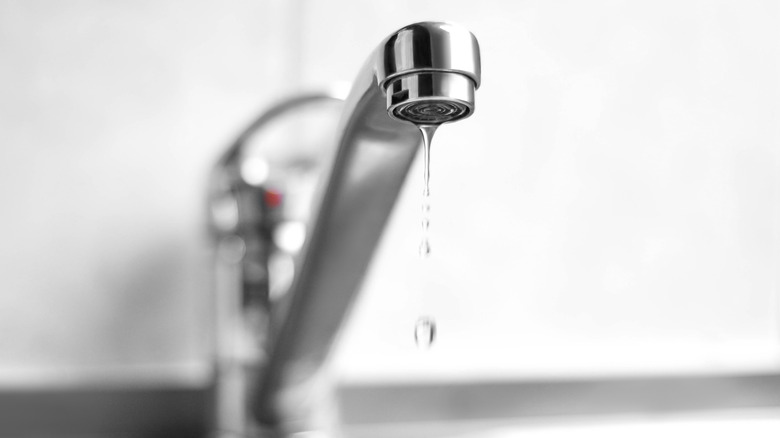
Targeted Tactic: Mastering the Faucet Drip Method
Deep freezing occurs when stagnant water inside pipes expands as it turns to ice, creating immense pressure that cracks metal or PVC. The simplest defense leverages physics: keeping water moving.
- Why Dripping Works: Flowing water – even slowly – carries latent heat, frustrating freezing. Moving water has a lower freezing point than stagnant water.
- The Cold Water Conundrum: While letting warm water drip might


