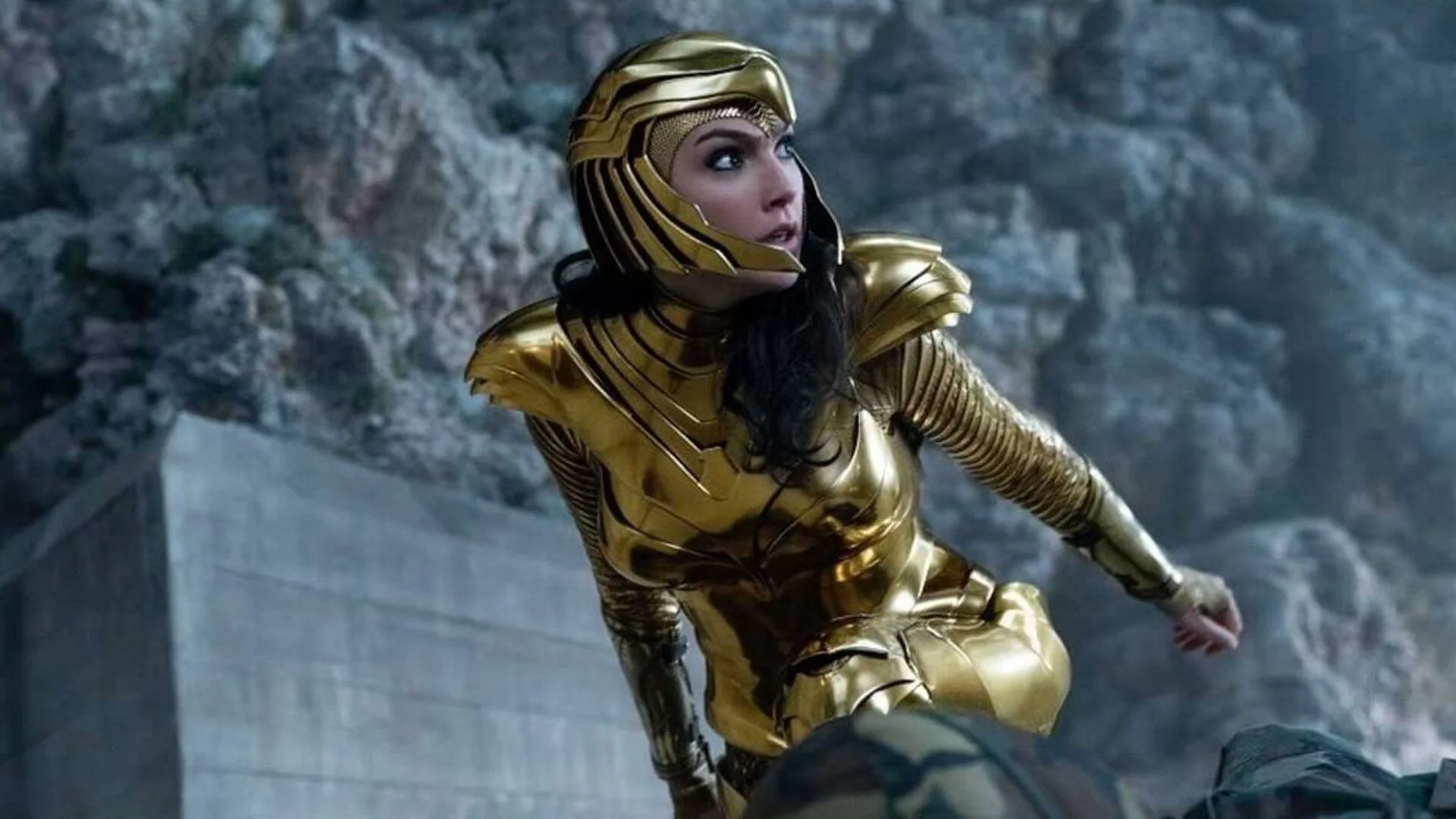

The Curious Collapse of Wonder Woman: A Superhero Tale Without Triumph
Remember 2017? Feel-good galas, crowded theaters celebrating Patty Jenkins’ groundbreaking Wonder Woman – a critical darling, a box office smash hauling in over $821 million worldwide. Fast forward to today, and Diana Prince feels less like a world-saving icon and more like a forgotten relic. What seismic shift transformed DC’s brightest star into a franchise fading into the Phantom Zone? The answer lies tangled in a pandemic-era misstep, studio chaos, and the treacherous terrain of managing billion-dollar intellectual property in an unstable Hollywood.
2020’s Double-Edged Sword: Theatrical Dreams vs. Streaming Reality
When COVID-19 shuttered theaters globally, studios faced an agonizing choice: delay indefinitely or embrace streaming. Warner Bros. made a pivotal decision: the unprecedented simultaneous release of Wonder Woman 1984 in theaters and on HBO Max on Christmas Day 2020. This “day-and-date” strategy aimed for accessibility but critically wounded the theatrical experience intrinsic to big-budget superhero epics. Many fans, including reviewers, found themselves watching on laptops or phones, stripping the film of its intended spectacle.
The format wasn’t the only issue. Critics and audiences noted that WW84 itself stumbled:
- Questionable Plot Mechanics: The central “renounced wish” premise involving Steve Trevor’s return felt emotionally manipulative and raised major logical inconsistencies within its own rules.
- Troubling Undertones: The handling of Steve Trevor inhabiting another man’s body without consent became increasingly problematic upon reflection.
- Misjudged Themes: Overt political parallels felt heavy-handed and quickly dated against a rapidly changing news cycle.
- Pacing & Tone: Despite glimmers of charm, the film was widely regarded as overly long, narratively messy, and tonally inconsistent.
While commercially successful in terms of HBO Max views (fueled partly by captive home audiences), the film’s reception was tepid. It lacked the cultural resonance of its predecessor, earning a significantly lower Rotten Tomatoes score (58% vs. 93%) and failing to reignite the box office magic in available cinemas. This disappointment cast a long shadow over Diana’s cinematic future.
Beyond Just One Film: A Franchise Falls Off a Cliff
Wonder Woman 1984’s underwhelming performance proved catastrophic for the character’s momentum. Its failure wasn’t an isolated incident but the catalyst for a broader franchise collapse:
- Abandoned Trilogy: Plans for Wonder Woman 3 were actively developed with Patty Jenkins and Gal Gadot. However, the underwhelming reception to WW84, coupled with DC Studio’s new leadership under James Gunn and Peter Safran prioritizing a full universe reboot (“Gods and Monsters”), led to the project’s cancellation in late 2022. Gadot’s reported attempts to remain within the new continuity mirrored similar failed efforts by Dwayne Johnson (Black Adam) and Henry Cavill (Superman) – remnants of the previous DCEU discarded.
- The Disappearing Act: Post-WW84, Wonder Woman was relegated to lightning-fast cameos in Shazam! Fury of the Gods and The Flash. These appearances offered little substance beyond reminding viewers she existed, failing to showcase her heroism or character depth – essentially “digital shelf-warming.”
- Gaming Glory Denied: The cancellation of the high-profile Wonder Woman game by Monolith Productions (creators of the acclaimed Middle-earth: Shadow series) earlier this year was a devastating blow. Monolith parent Warner Bros. Discovery’s broader studio shakeup resulted in Monolith’s effective closure, severing a promising avenue for Diana’s mythology and leaving fans questioning management’s commitment to the IP.
- Lost Goodwill: The stark contrast between the immense goodwill generated by the brilliant 2017 origin story and her current predicament is startling. Long-time fans recall decades where Warner Bros. seemed reluctant to prioritize Diana; her landmark solo film felt like a hard-won victory. Now, that era seems tragically brief.
Not Alone in Limbo: Comic Book IP and the Fog of Corporate Strategy
Wonder Woman’s plight, while acute, isn’t unique. She embodies a recurring theme: beloved superheroes caught in the crossfires of corporate consolidation, shifting strategies, and sheer bad timing:
- The MCU Machine vs. Character Focus: While Marvel Studios maintains momentum, characters outside its core Avengers cycle often face prolonged absences (e.g., Shang-Chi, Eternals) or awkward limbo. Others like Sony’s Spider-Man heroes navigate messy shared custody.
- The Reboot Dilemma: Heroes like Superman endure repeated franchise restarts (Nicholas Cage’s aborted film, Tyler Hoechlin’s TV version, Cavill’s exit). Each reset elongates the gap significant cinematic stories.
- External Factors: Black Panther’s cinematic journey was tragically disrupted by Chadwick Boseman’s passing. The X-Men languished under Fox and now await MCU integration after Disney’s acquisition – stuck waiting for the “right” moment in a massive studio calendar.
- The IP Churn Cycle: Wonder Woman highlights how valuable intellectual property sometimes becomes a victim of its own stature. Studios possess the character, recognize her value, yet struggle with a cohesive, long-term vision or prioritization for her across films, TV, games, and animation amidst numerous other competing priorities and executive turnovers.
Here’s a snapshot comparing major hero franchise trajectories:
| Character/Property | Peak Success | Current Status | Key Challenges | Future Projects |
|---|---|---|---|---|
| Wonder Woman | Wonder Woman (2017) | Franchise on indefinite hold; WW3 cancelled | Post-WW84 failure; DCU reboot; Game cancelled | Paradise Lost (Amazons-focused series) |
| Superman | Man of Steel (2013) | Recently rebooted within new DCU | Multiple actor changes; Public fatigue; Tone struggles | Superman (2025 film – reboot) |
| Spider-Man (Sony) | Spider-Man: No Way Home | Active films & spin-offs amid Sony/Marvel deal | Maintaining fresh stories; Balancing Sony’s universe | Spider-Man 4 planned; Venom/Villain spin-offs |
| Black Panther | Black Panther (2018) | Sequel released but future path uncertain | Loss of Chadwick Boseman; Finding new focus | No official announcements yet |
| X-Men | Days of Future Past | Integration phase into MCU | Complex Fox history; Large ensemble; Scheduling | MCU X-Men film (TBA – Likely ~2027+) |
Can Paradise Found Guide Diana’s Future?
Warner Bros. Discovery hasn’t abandoned Themyscira entirely. The greenlit Max series Paradise Lost focuses on the Amazons preceding Diana’s birth. This approach is telling:
- A Safe Distance: Exploring the mythology without the pressure of replacing Gal Gadot immediately.
- Rebuilding Core Themes: Allows creators to revisit Wonder Woman’s core feminist, mythological, and thematic roots – truth, compassion, justice – potentially recapturing what resonated in the 2017 film but was arguably diluted in WW84 and her cameos.
- Auditioning Concepts: It serves as a testing ground for elements that might define the character beyond Gadot’s specific portrayal. This investigatory phase mirrors the early development preceding Matt Reeves’ The Batman (delving deeper into Bruce’s detective role) and James Gunn’s Superman (emphasizing Clark Kent’s heritage and kindness).
The fundamental question remains: What story warrants Wonder Woman’s return? Will Gunn’s DC Studios, post-Superman, find a unique take? The success of Wonder Woman 2017 stemmed from its clear, resonant origin tale. WW84 lacked that focus. The rebooted Diana needs more than just a new actor; she needs a compelling, singular vision – a reason to exist beyond nostalgia or corporate rights retention. Expecting Wonder Woman to flourish without this deep creative conviction is setting her up for another fall.
Beyond the Invisible Jet
The Wonder Woman franchise is currently grounded. Wonder Woman 1984 stands not just as a disappointing sequel, but as a symbol of how quickly momentum reverses. Its unfortunate timing, coupled with genuine creative stumbles, eroded confidence internally and externally. Warner Bros.’ subsequent pivot to a complete DCU overhaul sacrificed Diana’s immediate future. Her disappearance reflects Hollywood’s cold calculus: even iconic heroes aren’t immune to corporate reorganizations, shifting priorities, and the fallout from poorly received entries. Diana’s Amazonian endurance is legendary, but her cinematic incarnation is currently weathering a storm of bad luck and strategic indecision. The Amazons-focused Paradise Lost series offers glimmers of hope – an opportunity to reconsecrate the thematic foundations that made Diana such a vital icon. Only when her custodians rediscover a clear, compelling purpose for the character herself, aligned with modern cinematic ambition, will Wonder Woman truly be able to soar again. Until then, her lasso, dimmed, remains coiled in a studio vault. Is the future of one of comics’ most enduring heroes truly invisible? Let’s hope wiser heads prevail. What do you think Wonder Woman needs to reclaim her crown? Share your thoughts below!


