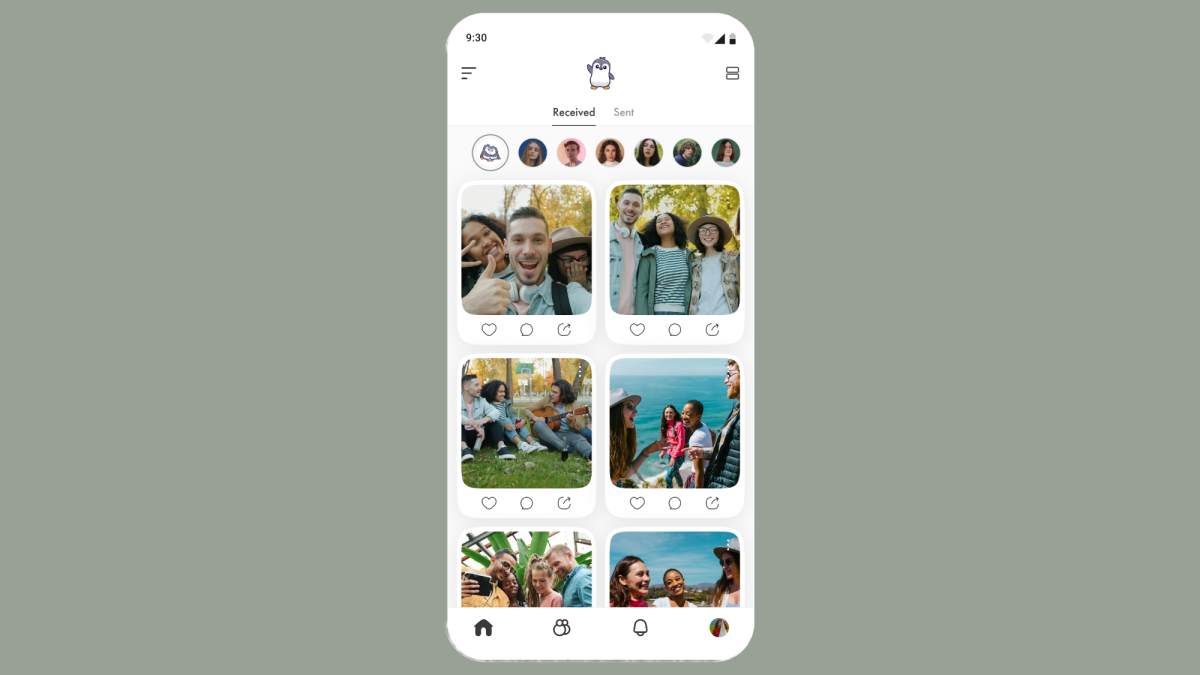

Is Instagram too curated? A new photo-sharing app, PicSee, bets on automatic sharing of unfiltered moments.
In a world dominated by perfectly filtered and strategically curated Instagram feeds, many are yearning for authentic connection and effortless photo sharing. PicSee, a new app from Koo co-founder Mayank Bidawatka, tackles the issue of missed photo opportunities by automatically detecting and sharing pictures of your friends directly from your camera roll. This article dives deep into PicSee’s unique approach, exploring its potential, challenges, and the future of personal photo sharing.
Reimagining Photo Sharing: Introducing PicSee
PicSee aims to solve a common problem: the countless photos of friends and loved ones sitting forgotten in our phone’s gallery. How many times have you taken a great picture of a friend, only to forget to send it? Or perhaps you remember seeing a photo of yourself on someone else’s phone and wondered why it was never shared with you. Bidawatka noticed that the act of photo sharing often becomes an afterthought, rather than an integrated and habitual part of communication.
The Core Functionality of PicSee
PicSee works by scanning the faces in your camera roll and identifying pictures of your friends. The app simplifies the sharing process with these key features:
- Automatic Face Detection: PicSee’s AI-powered face detection identifies friends in your photos.
- Sharing Requests: Users send sharing requests to friends already on PicSee. Once accepted, the app initiates the sharing process.
- Automatic Sharing (with Review): After the initial sharing, PicSee identifies new photos of your friends and prompts you to send them. If you don’t act, it automatically shares the photos after 24 hours (allowing for review).
- Local Storage: Photos are stored locally on your device, prioritizing user privacy.
- Recall Functionality: Users can recall sent photos, removing them from the receiver’s PicSee.
- Chat Feature: Allows for conversation and commentary about photos that are shared.
PicSee vs. the Competition: Standing Out in a Crowded Market
The photo-sharing landscape is brimming with options, from established giants like Instagram and Snapchat to niche players like Locket and Retro. What makes PicSee different?
- Instagram: Offers broad social networking features, with a focus on curation and presentation. (Source: Instagram Help Center) PicSee is far more specific: sharing photos between friends.
- Snapchat: Emphasizes ephemeral, spontaneous sharing. (Source: Snapchat Support) PicSee is persistent until photos are deleted or the user exits the app.
- Locket: Shares photos directly to your friend’s lock screen. PicSee provides the same function with the option to review before posting.
- Retro: Focuses on digital photo journaling. PicSee is primarily for immediate sharing.
PicSee’s unique selling proposition is its blend of automation and control. It aims to bridge the gap between the spontaneity of real-life moments and the effort required for traditional photo sharing. This approach is best suited for close friends who do not mind the app functioning in the background.
Privacy and Security Considerations
Privacy is paramount in today’s digital age. PicSee addresses these concerns with the following measures:
- On-Device Processing: Facial recognition processing occurs locally on the device, minimizing data transfer.
- Encrypted Connections: Photo transfers are encrypted for secure communication.
- Local Storage: Photos are stored locally, reducing the risk of data breaches.
- NSFW Filter: The app filters out inappropriate content.
- Screenshot Blocking: This reduces the risk of photos being shared without your consent.
While these measures are commendable, users should still exercise caution and carefully review photos before sharing. Privacy policies should be thoroughly reviewed to understand how data is handled.
Challenges and Opportunities for PicSee
PicSee faces several challenges that could determine its success or failure:
- Convincing Users to Change Behavior: Users are already accustomed to sharing photos through various messaging apps and social media platforms. PicSee needs to offer a compelling reason to switch. This can be achieved through social integration, which is on the horizon.
- Selectivity Concerns: Many users are hesitant to share all photos of themselves with everyone they know. This suggests that PicSee is best used between very close friends who would not mind the constant sharing. The ability to control photo categories or create custom sharing groups may be necessary.
- Discoverability: Standing out in the crowded app store is difficult. PicSee needs a strong marketing strategy to attract new users.
However, PicSee also has significant opportunities:
- Growing Demand for Authenticity: The desire for unfiltered, genuine connection is growing, and PicSee caters to this trend. The app’s automatic functionality further enhances this by making photo sharing easier.
- Nostalgia and Memory Preservation: PicSee can help users preserve memories and share candid moments with loved ones.
- Future Integrations: Planned features like album creation, duplicate removal, and Google Photos/iCloud integration could significantly enhance the user experience.
- Social Media Integration: PicSee’s chat function, combined with future social features, could lead to new methods of social communication.
The Future of Personal Photo Sharing: What “People Also Ask”
As apps like PicSee evolve, here are some “People Also Ask” questions about the future of photo sharing:
- How can photo sharing apps better protect user privacy? Enhanced encryption, transparent data policies, and granular control over sharing settings will be crucial.
- Will AI play a bigger role in photo organization and sharing? AI can automate tagging, album creation, and even suggest relevant photos to share based on context.
- How can photo sharing apps foster more authentic connections? Focusing on smaller, more intimate groups, and minimizing pressure to present a perfect image will be important.
- What are the implications of facial recognition technology in photo sharing? Careful consideration must be given to ethical considerations and potential misuse of facial recognition data.
- How will photo sharing evolve with augmented reality (AR) and virtual reality (VR)? AR and VR could create immersive photo-sharing experiences, allowing users to relive memories in new and engaging ways.
Conclusion: PicSee – A Glimpse into the Future, or a Passing Fad?
PicSee represents a bold attempt to reimagine personal photo sharing in an age of curated online personas. The app’s automatic sharing mechanism, combined with its focus on privacy, offers a refreshing alternative to traditional social media platforms. However, the company needs to overcome several challenges, including changing user habits and addressing concerns about selectivity. Only time will tell if PicSee can carve out a permanent niche in the competitive landscape of photo-sharing apps.
What do you think? Would you use an app like PicSee to automatically share photos with your friends? Comment below!
Sources & Further Reading:
Original article at techcrunch.com


