
A Seismic Shift in Gaming: Unpacking Ubisoft’s Bold Studio Closures and Game Cancellations
What happens when one of gaming’s biggest publishers cancels six projects overnight? For Ubisoft, January 2026 marked a watershed moment. Facing financial headwinds and shifting market dynamics, the company initiated a major restructuring effort that included Ubisoft cancellations for five unannounced games and its high-profile Prince of Persia: The Sands of Time remake. This consolidation into five genre-focused “Creative Houses”—coupled with studio closures like Halifax and targeted layoffs—signals a dramatic pivot away from experimental live-service pivots toward safer, established franchises. Only the Prince of Persia cancellation was officially confirmed, leaving fans and industry analysts scrambling to piece together the fallout from this strategic reset.
Dissecting the Fallout: Projects Lost to Restructuring
The Prince We Won’t See
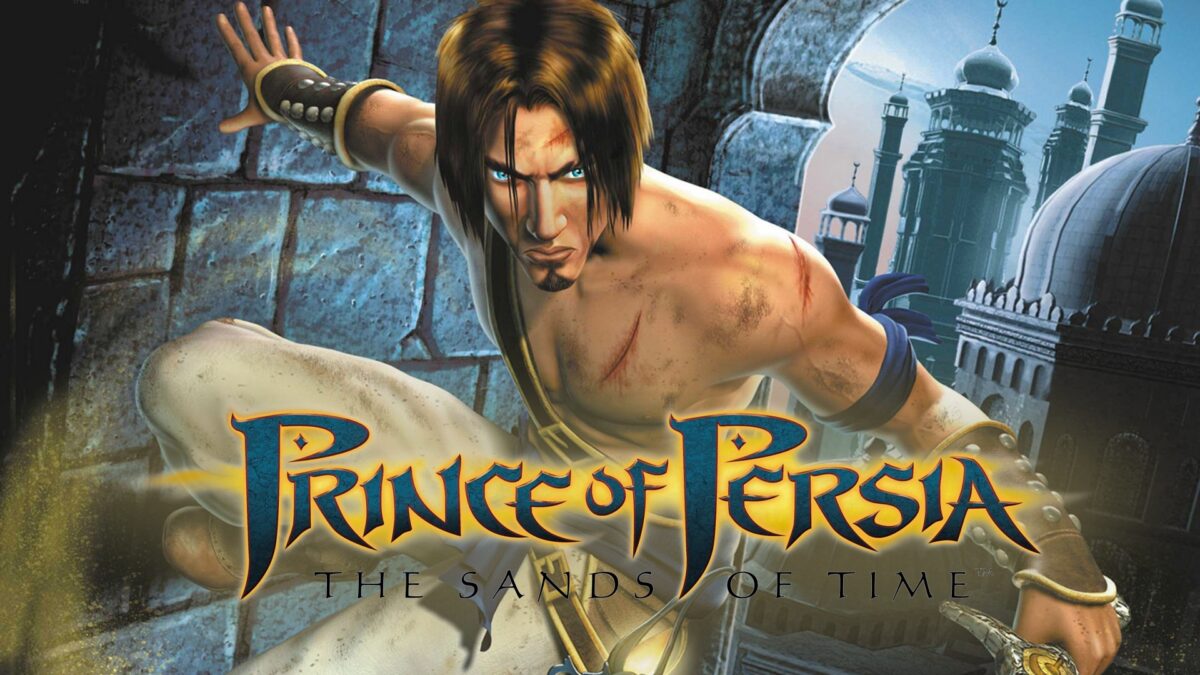
Ubisoft’s sole confirmed casualty was the Prince of Persia: The Sands of Time remake. Originally announced in 2020, this remake of the 2003 classic struggled through years of developmental turmoil—including studio reassignments—before its abrupt termination. Unlike its brethren cancellations, Ubisoft publicly acknowledged shelving it, citing a “strategic realignment.” The move cuts deep for fans, highlighting how even beloved legacy IPs aren’t immune to corporate reshuffling. Historical precedents like Ubisoft’s canceled Beyond Good & Evil 2 updates underscore how cancellations often trace back to shifting priorities rather than technical failures.
The Ghost Projects: Five Silent Exits
Industry sources detailed five unconfirmed cuts behind Ubisoft’s restructuring curtain:
-
Project Pathfinder (Project U)
A session-based co-op shooter led by Ubisoft Annecy. Despite surviving a 2024 reboot due to “engagement concerns,” it ultimately fell victim to cost-cutting after relocating studios. Beta tests hinted at extraction-lite mechanics, but Ubisoft’s reticence suggests lukewarm internal confidence. Session shooters like The Division 2 retain audiences, yet the underwhelming launch of Suicide Squad: Kill the Justice League proves market saturation for team-based PvE. -
Project Crest
Leaked as a WWII-themed extraction shooter—a genre niche dominated by powerhouses like Escape from Tarkov. Though Ubisoft toyed with extraction in The Division‘s Dark Zones, Project Crest was reportedly standalone. Its cancellation reveals hesitation toward competing in high-risk/high-reward markets: Extraction shooters demand relentless updates and balancing—resources Ubisoft now channels toward safer bets. -
Project Aether
Developed since 2019 by Ubisoft Halifax. Zero gameplay details emerged publicly, sealing its fate when Halifax shuttered. Ubisoft’s withdrawal from Halifax—Canada’s hub for mobile gaming—parallels Square Enix’s shuttering of studios like Crystal Dynamics Montréal, favoring geographic consolidation during fiscal duress. -
Assassin’s Creed: Singularity
A PC/mobile spinoff rumored since 2024. Similar unannounced AC mobile games (Rebellion, Memories) typically exploit brand recognition for lower-risk revenue. Cancelling it hints at Ubisoft prioritizing Jinxцев—its mobile division—for AC’s established hits over unproven experiments. -
Assassin’s Creed Rebellion Updates
Ongoing support ended for the 2018 mobile RPG after Halifax closed. Active players anticipated DLC expansions, but Ubisoft’s silence confirms muted investment in aging titles. Lifecycle truncations plague even thriving mobile games—Netflix’s shutdown of Monument Valley editions echoes this trend.
| Cancelled Project | Genre/Focus | Development Stage | Evidence |
|---|---|---|---|
| Prince of Persia Remake | AAA Action-Adventure | Near-Completion | Officially Confirmed |
| Project Pathfinder | Co-op Shooter | Beta/Reboot | Leaks + Studio Transfer |
| Project Crest | Extraction Shooter | Early Development | Historical Leaks |
| Project Aether | Unknown | Ongoing | Halifax Closure Correlation |
| AC Singularity | Mobile Spinoff | Unannounced Development | Insider Reports |
| AC Rebellion Support | Mobile RPG Updates | Active Live Service | Studio Shutdown Impact |
The Anatomy of a Corporate Shakeup
Multiple stressors converged to trigger Ubisoft’s restructuring:
-
Financial Tailspins: A 28% stock decline in late 2025 amid weak holiday sales (per Ubi’s investor filings). Titles like Skull and Bones persistently underperformed despite massive investment—mirroring Warner Bros. Discovery’s project abandonment after Gotham Knights flopped.
-
The Live-Service Pivot Backlash: Ubisoft openly prioritized GAAS (Games-as-a-Service) in 2021–2025, leaving foundational franchises like Assassin’s Creed suffering dev droughts. Costs ballooned as new multiplayer projects demanded constant support—a model failing studios amid recession-wary players’ subscription fatigue. Axelat analyst estimates show player expenditure on GAAS titles dropped 14% YoY in late 2025.
-
Lightning Development Pipelines: Projects axed early freed capital instantly. Pathfinder and Crest’s cancellation likely saved Ubisoft 30–40% projected deployment versus late-stage kills—critical as R&D budgets overwhelmed publishers industry-wide (Ubisoft R&D Report, Q3 2025).
Navigating the Aftermath: Players, Devs, and Industry Implications
For communities and creatives, Ubisoft’s moves carry mixed signals:
- Gamers lose niche innovations (Crest) and nostalgia plays (Prince of Persia), but core franchises—AC’s Hexe and Invictus—gain undivided resources.
- Employees face uncertainty: Layoffs accompany studio closures, though Ubi reassigned some talent internally per its “Creative Houses” realignment. Unions like CWA protest opaque termination protocols.
- Competitors gain opportunities: Extraction shooters underexplored安装了裤裆es EA with Hazard Zone or Embracer Group’s rumored dark-WW2 title Torni.
Industry-wide,


