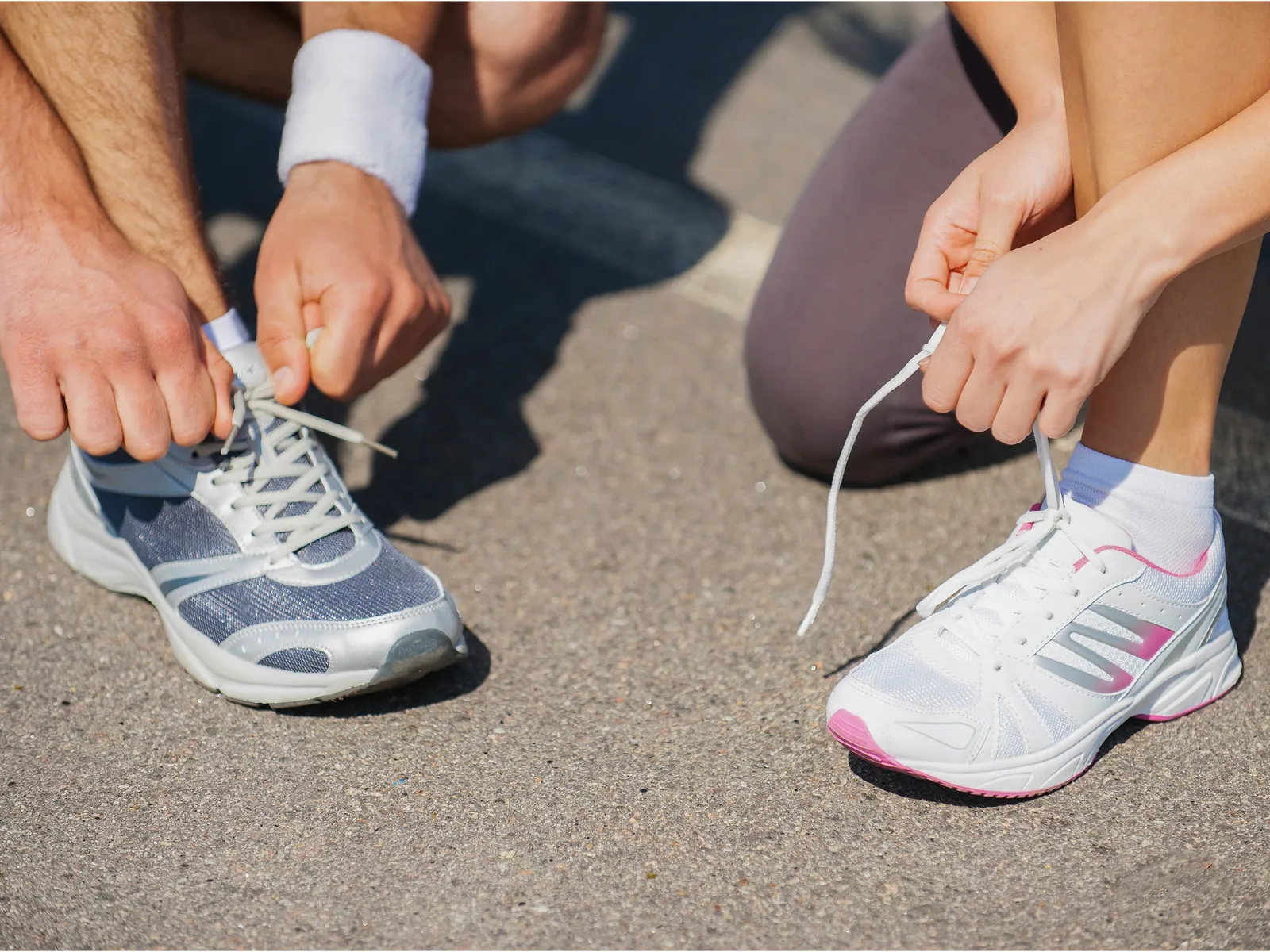

The Unspoken Truth About Your Running Shoes: It’s Not What You Think
Imagine this: Your $150 running shoes might be secretly failing you long before they look worn out. In fact, that frayed heel or scuffed sole tells only half the story. With innovations in running footwear accelerating yearly, choosing shoes—and knowing when to replace them—has become a science fueled by biomechanics and material engineering. Ignoring this complexity risks discomfort, injury, or wasting money on premature replacements. Whether you’re a novice jogger or a marathon veteran, understanding footwear nuances like “midsole decompression” or “zero-drop designs” transforms your running experience. We analyze top-tier selections and debunk pervasive myths to deliver insights that’ll keep your stride confident and efficient.
Beyond Fan Favorites: Emerging Stars in Running Footwear
Our miles-long testing reveals options balancing versatility, terrain adaptability, and foot physiology—moving beyond mainstream darlings. Prioritize individualized fit through store fittings, especially with niche brands. Pricing fluctuates, but investment aligns with tech advancements and durability.
| Shoe Model | Price | Best For | Key Features |
|---|---|---|---|
| Diadora Nucleo 2 | $165 | Stability seekers | Balanced cushioning, inherent stability |
| Rad R1 | $160 | Hybrid athletes | Gym-to-road versatility, lateral support |
| Altra Outroad 3 | $130 | Minimalist trail/road hybrid | Zero heel drop, foot-shaped toe box |
| Mizuno Neo Vista 2 | $200 | Plush comfort lovers | Ultra-soft bounce, premium cushioning |
| Brooks Glycerin 21 GTS | $160 | Overpronators | Stability-focused with adaptable guide rails |
| Hoka Clifton 9 | $144 | New runners | Lightweight, balanced for beginners |
Hybrid Powerhouses Bridging Diverse Workouts
The Rad R1 shines for athletes blending running with gym routines. Its wider base and lateral stability enable lunges or box jumps without compromising short-run comfort. Notably, treadmill runners favor its softer impact absorption—perfect for high-mileage indoor sessions per reviewer Adrienne So. Similarly, Altra’s Outroad 3 offers a seamless road-to-trail transition. Its hallmark zero-drop design mimics barefoot proprioception while thick outsoles shield against rocks. Traction versatility here parallels Adidas’ EVO SL ($120), though Altra prioritizes natural toe splay for wide-footed runners lacking supportive stability tech by default.
Tech-Driven Comfort & Foam Innovations
Enhanced foam chemistry redefines performance longevity. Mizuno’s Neo Vista 2 employs Enerzy Core foam for extraordinary energy return, rivaling Saucony’s Endorphin Speed 5. However, its higher price ($200) targets runners valuing plushness over minimalist discretion. Conversely, New Balance’s Rebel V5 ($145) balances affordability and responsiveness with FuelCell foam—ideal for speed intervals or recovery jogs. For new runners, Hoka’s Clifton 9 delivers deceptive simplicity: despite Hoka’s maximalist reputation, its pared-down stacked EVA foam avoids rigidity, easing beginners into form adaptation according to Adrienne So.
Budget-conscious alternatives like Saucony’s Ride 17 ($99) prove that older models still deliver, albeit with less advanced materials. Stability-focused runners eyeing Brooks’ Glycerin 21 GTS can anticipate wider bases and holistic guide rails mitigating overpronation—similar tech underpins the Saucony Hurricane 24 ($110) with refined medial post setups.
Preserving Peak Performance: Shoe Maintenance Tactics
Daily habits profoundly impact midsole integrity and upper durability. Contrary to popular belief, running footwear requires active stewardship beyond rotation.
Essential Care Protocols
- Prioritize Rotational Rest: Midsole foams need 48 hours post-long runs to decompress polymer chains. Rotate between multiple pairs—studies confirm foam compression recovery correlates with rebound retention (Journal of Applied Biomechanics).
- Always Untie Laces: Forceful removal crumples heel counters. Repeated stress fractures foam structure.
- Gentle Cleaning ONLY: Hand-wash mud-caked shoes with mild soap. Machines warp midsoles and shred adhesives. Sun drying hardens materials—air-dry stuffed with paper (never heat sources).
- Climate Control: Store shoes away from radiators. Research shows EVA foam degrades at 140°F, losing 13% elasticity annually (via Materials Today).
Rewriting the Rulebook: Extending Shoe Longevity Intelligently
For decades, runners accepted retiring shoes between 300–500 miles without question. However, contemporary engineering renders these guidelines obsolete. Midsole foam duration varies dramatically:
Why Mileage Rules Fail
Materials matter more than miles. Modern foams like Pebax (Nike ZoomX) or TPU (Adidas Boost) degrade slower than traditional EVA soles. While Pebax may lose 40% energy return after 100 miles (Sports Engineering 2023), its cushioning persists, allowing it to serve as daily trainers post-racing duty. Variables altering wear include:
- Runner weight (>180 lbs accelerates outsole erosion)
- Terrain (asphalt vs. trails)
- Climate cycle extremes
- Stride mechanics (forefoot strikers erode toe caps)
Recognizing Expiration Signals
Forget creased soles—today’s midsoles compress uniformly. Instead, monitor:
- Faded tread depth (<1mm necessitates replacement).
- Upper tears >1cm compromising foot lockdown.
- Feel: Persistent joint aches or reduced rebound tempo signal foam failure.
Final Wisdom: Replace shoes when discomfort emerges—not arbitrary mileage. High-performance trainers might eclipse 800 miles with meticulous care!
Where Function Merges With Foresight
Runners often underestimate footwear potency: A shoe like Mizuno’s Neo Vista 2 prevents repetitive-ground-force injuries via deliberate damping, while Altra’s anatomical design fosters biomechanical harmony. Neither exists in a vacuum—preserving their benefits requires attentive care. Similarly, rejecting arbitrary mileage deadlines conserves resources. Ultimately, shoe science reveals that informed choices yield tangible rewards: smoother


