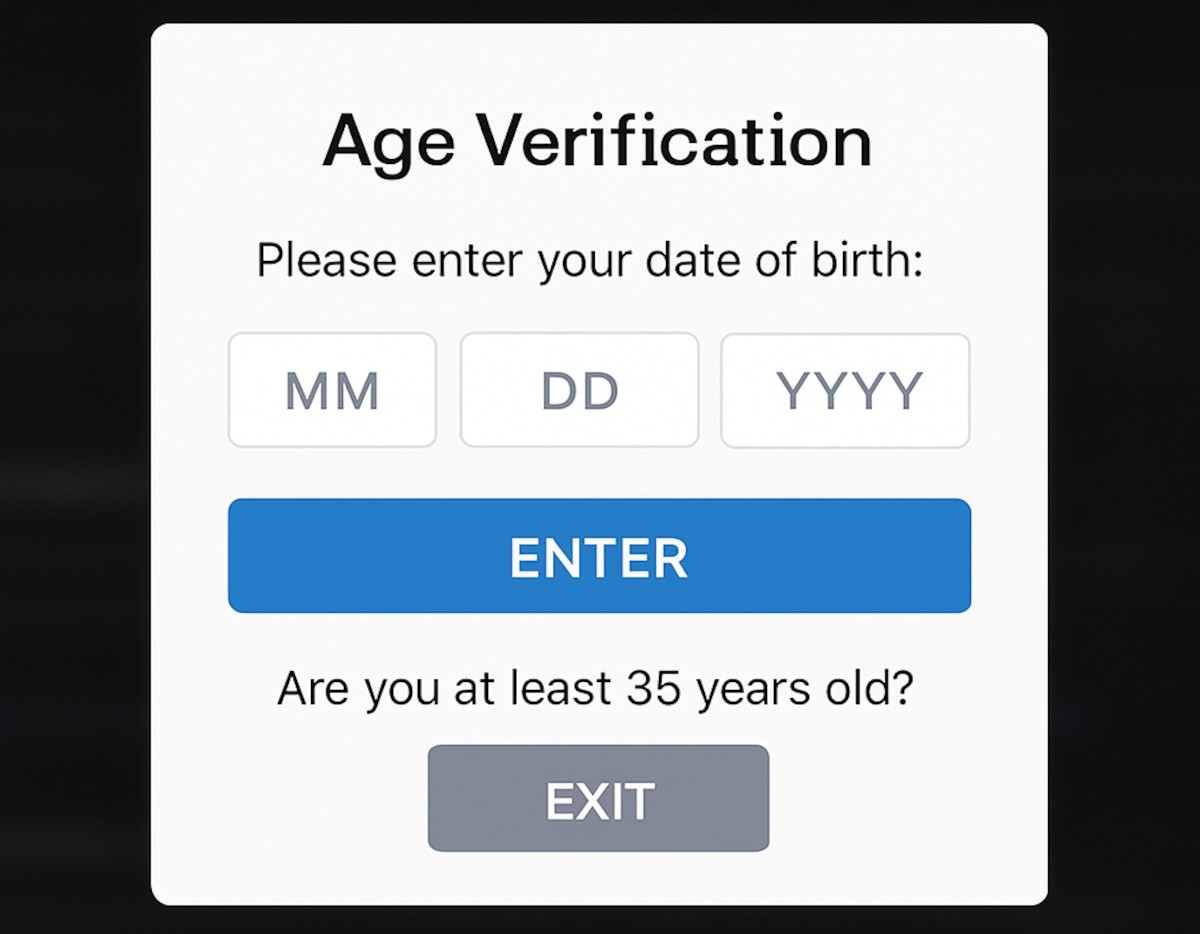

The Identity Verification Craze: Is Mandating Digital IDs Solving Online Chaos or Breaking the Internet?
Hook: What if the very laws designed to make the internet “safer” actually create massive new vulnerabilities, silencing activists and exposing your most sensitive data? Governments worldwide are now betting it all on online identity verification, forcing platforms to unmask every user. But cybersecurity experts warn: this well-intentioned trend might dismantle the open web we rely on.
Introduction:
In an era of rampant online harm—child exploitation, anonymous trolling, and financial scams—governments feel compelled to act. Led by frameworks like the UK’s landmark Online Safety Act (2023), a global wave of legislation mandates that platforms confirm user identities, especially ages. The promise is alluring: shield children, deter abusers, and purge scams. However, engineers and digital rights advocates raise alarms that online identity verification schemes fundamentally undermine privacy and cybersecurity. With the EU’s Digital Services Act and similar efforts growing globally, this aggressive shift demands scrutiny. Does verifying everyone truly deliver safety, or does it create dangerous unintended consequences? This article dissects the controversy, the risks experts fear, and whether alternative solutions exist.
The Global Push: Verification as the New Internet Law Standard
Governments argue that anonymous online spaces breed harm. The UK’s Online Safety Act typifies this approach, requiring social media platforms, messaging apps, and adult content sites to implement “guardrails,” prominently featuring age verification systems. Crucially, the Act empowers regulators to demand full digital identity verification—think passports, driver’s licenses, or biometric data—if deemed necessary for “safety standards.” This move echoes globally:
- The EU’s Digital Services Act (DSA): Demands risk assessments from large platforms and mandates measures to combat illegal content, potentially including age assurance.
- Australia: Implementing its own Online Safety Act with age verification trials for adult content.
- United States: States like Louisiana and Arkansas have enacted age verification laws for adult sites, while federal proposals loom.
Table: Key Global Digital Identity and Age Verification Laws
| Jurisdiction | Legislation | Focus | Verification Requirements | Status |
|—————-|———————–|—————————|————————————————|——————|
| UK | Online Safety Act | User Safety, Child Protection | Mandatory Age Verification; Potential Full ID Checks | Enacted (2023) |
| EU | Digital Services Act | Content Moderation, Transparency | Risk-Based Measures, Potential Age Assurance | Enacted/Phasing |
| Australia | Online Safety Act | Child Exploitation Material | Age Verification Trials for Adult Sites | Active Enforcement |
| US (State-Level)| Various (e.g., LA) | Access to Adult Content | Mandatory Age Verification | Enacted in Some States |
Political momentum is undeniable. Concerns over child safety (amplified by documentaries and viral news) and national security fuel this trend. Lawmakers assert that linking actions to verified identities fosters accountability. As one UK official stated, you can’t police the internet if you don’t know who is using it. Critics, however, see a rush toward digital surveillance infrastructure with inadequate safeguards.
Why “Verify Everyone” Sounds Like a Solution (And Why It’s Politically Popular)
On the surface, the logic seems unassailable:
- Protecting Minors: Prevent children from accessing pornography or falling victim to grooming by verifying age. Studies, like those by the UK Safer Internet Centre, highlight exposure risks.
- Curbing Abuse & Trolling: Reduce hate speech, harassment, and misinformation by removing anonymity shields. This addresses reports of severe online harassment, like Amnesty International’s work on abusive tweets against women.
- Fighting Scams & Fraud: Impersonation and financial scams become harder if users are linked to real identities. Groups like Action Fraud UK document significant losses.
- Platform Accountability: Verifiable users make it easier to enforce terms of service and legal consequences.
The political appeal is potent. Officials tapping into genuine parental fears can appear decisive. Public sentiment, often driven by highly publicized tragedies linked to online misuse, pressures governments to “do something.” This aligns with broader trends in internet governance favoring state intervention for order and protection. Supporters dismiss privacy concerns as secondary to safeguarding society’s most vulnerable.
The Security Experts’ Nightmare: How Verification Could Break the Internet
Beneath the surface, security professionals warn of catastrophic flaws. Their core argument: Concentrating sensitive identity data fundamentally contradicts the decentralized, resilient design of the internet and creates massive targets for attackers.
H2: Data Goldmines and Hacker Honeypots
- The Data Deluge: Verification requires collecting incredibly sensitive user data:
- Government ID numbers (passports, driver’s licenses)
- Biometric data (facial recognition, fingerprints)
- Mobile phone numbers linked to identities
- Credit card information (sometimes used for verification)
- An Irresistible Target: As Bruce Schneier, renowned security technologist, famously stated, “Data is a toxic asset.” Storing vast troves of verified identity data creates “honeypots” – concentrated targets where a single breach compromises millions. History is littered with examples:
- The “Tea App” Debacle: As teased in our source, this app attempted robust identity checks to enhance safety but suffered a catastrophic breach exposing verified user IDs and personal details. (Imagine similar breaches impacting platforms like Instagram or WhatsApp due to mandatory verification).
- Equifax (2017): Though not solely verification data, this breach of 147 million SSNs shows the scale of damage possible.
- Outsourcing Risks: Many solutions rely on third-party verification providers, fragmenting data across multiple entities. Each point of transfer and storage multiplies potential failure points and attack surfaces (“Supply chain attacks”). How secure are these specialized providers against sophisticated hackers?
“The more platforms are forced to verify identities, the more they’ll collect data they were never designed to protect, and history tells us that data will leak,” is a near-universal refrain among security engineers.
H3: The Erosion of Anonymity: Silencing Whistleblowers and Survivors
For experts, anonymity is not a bug; it’s the internet’s foundational feature for free expression. Mandatory digital identity verification threatens this core principle:
- Vulnerable Groups Silenced: Anonymity is critical for:
- Whistleblowers: Exposing corruption or corporate malpractice (e.g., sources for investigative journalists).
- Activists & Dissidents: Criticizing oppressive regimes or engaging in political speech without fear of reprisal (Amnesty International highlights this danger).
- Abuse Survivors: Seeking support or information anonymously to protect themselves.
- Journalists: Protecting confidential sources.
- The Chilling Effect: Knowing your identity is permanently tied to every comment, search, or message creates immense self-censorship. This is detrimental to open discourse and dissent, turning the internet into a panopticon.
- Function Creep: Critics fear verified identity databases initially created for “safety” will inevitably be repurposed for mass surveillance, law enforcement overreach, or tracking political opposition, shifting the balance towards state control. Privacy becomes criminalized in the name of safety.
Weighing Safety Against Risk: Is the Cost Too High?
Governments hope voters accept the privacy/security trade-off. For parents terrified by online threats depicted in media like Netflix’s “Adolescence,” the allure is significant. “Isn’t protecting children worth the loss of anonymity?” becomes the central question.
Cybersecurity professionals respond: The trade-off is false. They assert the security burden of managing verified identity data will backfire spectacularly:
- Increased Harm: Massive data breaches caused by these mandates could lead to unprecedented identity theft, financial ruin, and targeted harassment using verified personal details – directly contradicting safety goals. The Tea App’s failure is a vivid warning.
- Systemic Vulnerability: Forcing verification onto platforms not architected for it creates systemic weaknesses. As Ross Anderson, Professor of Security Engineering at Cambridge, argues, “Complexity is the enemy of security.” Adding intricate identity layers introduces countless new failure modes.
- Discrimination & Exclusion: Reliable verification often requires bank accounts or government IDs, potentially excluding marginalized groups (e.g., the homeless, refugees, those in developing nations) from accessing vital online services or information, deepening digital divides.
- Effectiveness Doubts: Determined bad actors bypass verification via VPNs, stolen IDs, or shifting tactics, while everyday users bear the brunt of inconvenience and risk. Verification can create a false sense of security.
Alternatives to the Nuclear Option: Safety Without Sacrificing Privacy
The tech community insists alternatives exist that balance protection and rights:
- On-Device Age Estimation: Uses local device processing (e.g., facial analysis algorithms on a user’s phone/PC) to estimate age without transmitting biometric data centrally.
- Sandboxed/Curated Experiences: Platforms create restricted, age-appropriate environments for minors without needing universal ID checks for all users.
- Enhanced Parental Controls: Empowering caregivers with more granular, less invasive tools designed in collaboration with experts in child development.
- Behavioral Analysis & Human Moderation: Investing in robust moderation teams supplemented by well-designed AI to detect harm patterns without demanding universal identity disclosure upfront.
- Decentralization: Exploring privacy-preserving technologies (like zero-knowledge proofs) that potentially prove age or legitimacy without revealing the underlying identity.
Bullet Points: Key Arguments Against Mandatory Verification
- Amplifies data breach risks, creating central honeypots.
- Undermines anonymity crucial for free speech & vulnerable individuals.
- Increases complexity and attack surfaces, likely increasing hacks.
- Discriminates against users lacking official IDs or secure devices.
- Potential for mission creep into mass surveillance.
- Bad actors find ways around it; ordinary users suffer the burden.
The Great Standoff: Experts vs. Politicians
A fundamental disagreement grips the future of the web. Policymakers see robust identity systems as essential for internet safety and accountability. Regulators wave away concerns, essentially saying, “It will be fine.” Tech experts, steeped in the internet’s operational realities and history of data leaks, counter: “This is how you break it.” They point to the Tea App disaster as a predictive model of good intentions meeting technical negligence. Platforms are caught in the middle, facing massive compliance costs and excruciating choices about user experience and infrastructure. Users are caught between understandable fears and the potential loss of online freedoms and security.
Conclusion: A Web at a Crossroads
The global race toward mandatory online identity verification represents a profound shift. Driven by legitimate concerns about child safety and online abuse, laws like the UK’s Online Safety Act employ a powerful tool: stripping away user anonymity. While the intention to create a safer online ecoystem is commendable, cybersecurity experts deliver a chilling counter-narrative. Mandatory identity collection creates enormous, attractive targets for hackers, jeopardizes user data on an unprecedented scale, and dismantles the anonymous spaces vital for free expression and protection of vulnerable groups. Alternatives emphasizing privacy-by-design, like on-device processing and curated experiences, offer safer paths. The ultimate question isn’t whether online safety matters—it unquestionably does—but whether sacrificing fundamental privacy and security principles for a potentially illusory safety is the answer we want. The debate is far from over, but the stakes—a fractured, vulnerable internet versus a truly safer network—couldn’t be higher. What’s the right balance? Share your thoughts on identity vs. anonymity in the comments below!
Word Count: ~1,250 words
Sources & Further Reading:
Original article at www.techzim.co.zw


