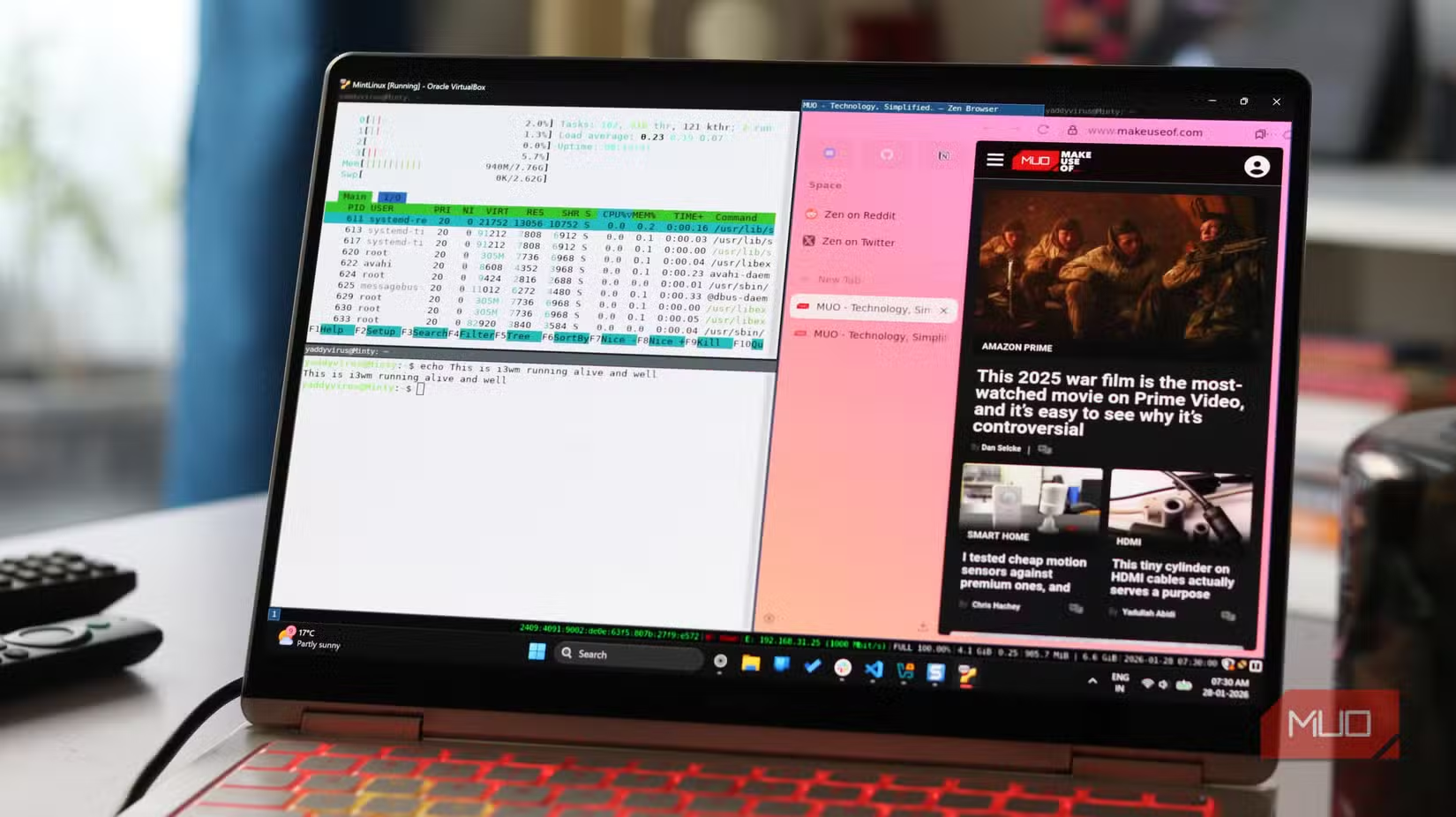

Why Your Next Laptop Could Be Linux Kryptonite
Did you know that installing Linux might effectively neuter the powerful graphics card in your brand-new gaming laptop? Or leave crucial firmware vulnerabilities Diocese on your device permanently? Enthusiasm for Linux often meets the harsh reality of modern laptop hardware. While breathing new life into older Windows machines remains a Linux success story, transforming cutting-edge laptops into reliable Linux workhorses presents a minefield of compatibility issues beyond simple driver support. Understanding these specific Linux laptop compatibility pitfalls is critical before purchase, lest you trade anticipated open-source freedom for endless technical hell.
The Apple Silicon Obstacle: Why Modern MacBooks Are Linux Nightmares
Forget visions of sleek macOS hardware running Ubuntu flawlessly. Apple Silicon MacBooks (M1, M2, M3, and now M4) represent arguably the most hostile mainstream environment for mainstream Linux.
- Limited Functionality: Projects like Asahi Linux demonstrate remarkable technical achievement just achieving basic functionality – keyboard, trackpad, storage. Core elements like GPU acceleration remain elusive dreams.


