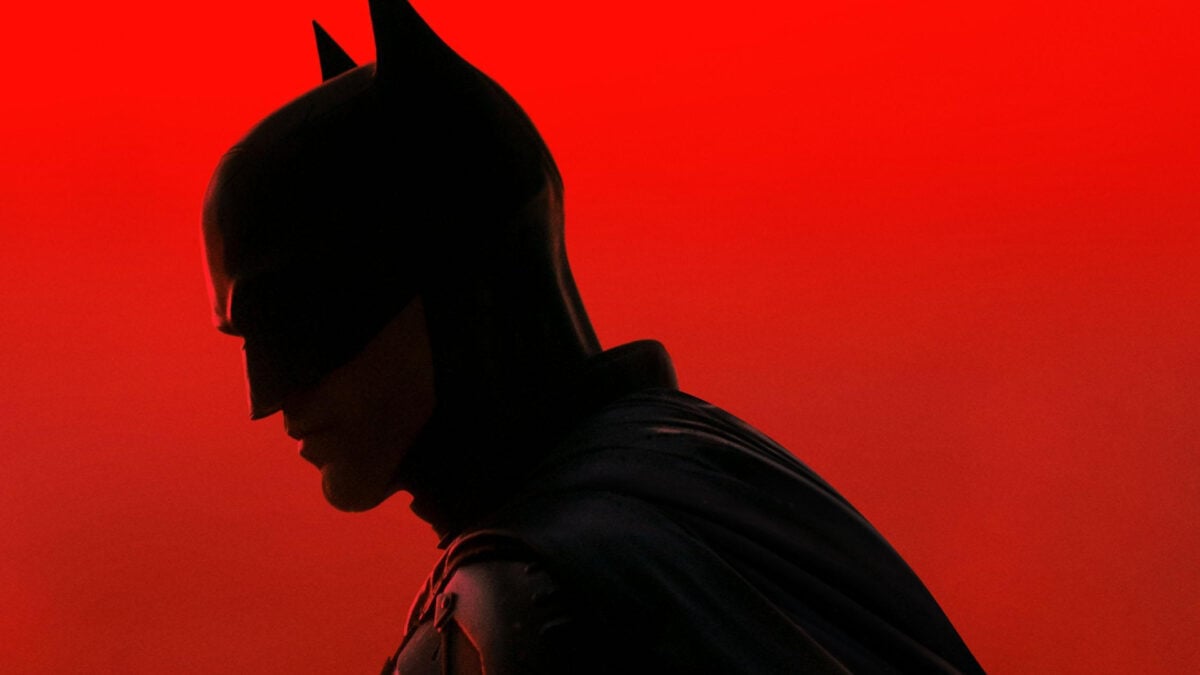

Fandom’s Fear: Why We’re Obsessed with Knowing Everything About Upcoming Movies and Games
Have you ever felt a pang of anxiety when your favorite movie sequel gets delayed, or a game you’ve been anticipating goes silent? In today’s world, fandoms are no longer just about enjoying a product; they’re increasingly intertwined with the corporations that create them, leading to a unique form of anxiety fueled by the constant hunger for information and the fear of cancellation. This article explores the reasons behind this phenomenon, examining the intricate relationship between fans, corporations, and the relentless pursuit of knowledge surrounding highly anticipated projects like The Batman Part II.
The Age of Information and Fandom Anxiety
In the digital age, information is currency. For fandoms, this translates to a ravenous appetite for news, leaks, and rumors surrounding their beloved franchises. The drive to know everything, from casting decisions to plot details, is amplified by social media and the 24/7 news cycle. This constant hunger, however, can lead to anxiety when information is scarce or, worse, when projects are unexpectedly shelved.
Why the Need to Know Everything?
Several factors contribute to the “need to know” phenomenon within fandoms:
- Investment and Ownership: Fans invest time, money, and emotional energy into their passions. This investment creates a sense of ownership, fueling the desire to be informed about the future of the franchise.
- Community and Discussion: Sharing information and speculating about upcoming projects is a core element of fandom culture. Being “in the know” allows fans to participate in these discussions and feel connected to the community.
- Fear of Missing Out (FOMO): The constant stream of information on social media creates a fear of missing out on crucial details or being left behind in the conversation.
- Influence and Advocacy: Knowing the details of a project allows fans to potentially influence its direction through online campaigns, petitions, and direct engagement with creators.
The Role of Leaks and Rumors
The demand for information has created a market for leaks and rumors, often disseminated through social media by self-proclaimed “scoopers.” While some of these leaks turn out to be accurate, many are false or misleading. Regardless of their veracity, these leaks serve to keep the conversation alive, filling the void when official channels are silent.
Here’s a breakdown of the impact of leaks and rumors:
| Aspect | Positive Impact | Negative Impact |
|---|---|---|
| Engagement | Keeps fans engaged and excited about the project. | Can lead to disappointment if rumors are false. |
| Visibility | Generates buzz and attracts attention to the franchise. | Can create unrealistic expectations and damage the project’s reputation if leaks are poorly received. |
| Community | Fosters discussion and speculation within the fandom. | Can lead to toxicity and infighting as fans debate the validity of different rumors. |
| Creators | Can provide creators with valuable feedback and insights into fan expectations (though often unwanted). | Can put undue pressure on creators to conform to fan expectations or address misleading information. |
The Specter of Cancellation: From Batgirl to Silksong
The fear of cancellation is a significant driver of fandom anxiety. In recent years, several high-profile projects, including the Batgirl movie and Naughty Dog’s The Last of Us multiplayer spinoff, have been unceremoniously shelved, leaving fans feeling betrayed and resentful. The cancellation of Batgirl, in particular, struck a nerve due to the advanced stage of production and the fact that the film was essentially complete.
Why Cancellations Sting So Much
- Loss of Investment: Fans invest time, money, and emotional energy into anticipating these projects. Cancellation feels like a personal loss.
- Lack of Closure: Cancellations often come without explanation, leaving fans with unanswered questions and a sense of incompleteness.
- Waste of Talent: Fans recognize the hard work and dedication of the cast and crew involved in these projects, making the cancellation feel like a waste of talent and resources.
- Erosion of Trust: Frequent cancellations can erode trust in studios and developers, making fans hesitant to get excited about future projects.
The long, long wait for Hollow Knight: Silksong has also become a running joke, a meme born of near-constant delays and lack of communication leaving fans to wonder, and increasingly doubt, whether it will ever actually be released.
The Impact of Market Conditions and Corporate Decisions
Ultimately, cancellations often come down to market conditions and corporate decisions. Factors such as budget cuts, changing priorities, and the pursuit of profit can lead to projects being shelved, regardless of fan enthusiasm. The rise of AI and its potential impact on the entertainment industry further fuels anxiety, as fans worry about the future of human creativity and the potential for AI to replace artists and developers.
Coping with Fandom Anxiety: Finding a Healthy Balance
While the desire to stay informed is understandable, it’s important to find a healthy balance and avoid letting fandom anxiety consume you. Here are some tips for managing your obsession with upcoming movies and games:
- Limit Your Exposure: Set boundaries for how much time you spend consuming news and rumors. Unfollow accounts that spread misinformation or promote negativity.
- Focus on What You Can Control: You can’t control studio decisions, but you can control how you engage with the fandom. Focus on positive interactions and discussions.
- Appreciate What You Have: Rather than dwelling on what might be, take time to appreciate the existing movies, games, and stories that you love.
- Remember It’s Just Entertainment: It’s easy to get caught up in the hype and drama, but ultimately, these are just movies and games. Don’t let them negatively impact your mental health.
- Support Creators: Channel your energy into supporting the creators whose work you admire. Buy their products, attend their events, and leave positive reviews.
The best advice? Take James Gunn’s words to heart and “leave [the creators] alone as [they] work on the script.”
Conclusion: Embracing the Unknown
The modern fandom experience is a complex mix of excitement, anticipation, and anxiety. While the desire to know everything about upcoming projects is understandable, it’s important to remember that the journey is often more rewarding than the destination. By managing your expectations, focusing on the positive aspects of fandom, and embracing the unknown, you can enjoy your favorite franchises without letting anxiety take over.
What do you think? Is the constant pursuit of information a healthy part of fandom, or is it contributing to unnecessary stress and anxiety? Comment below and share your thoughts!
Sources & Further Reading:
Original article at gizmodo.com


