
Stop Hitting Snooze: Finding the Best Sunrise Alarm Clock for You
Are you one of the 57% of Americans who hit the snooze button every morning, starting your day with grogginess and frustration? A sunrise alarm clock might be the answer you’ve been searching for. These innovative devices mimic the natural sunrise, gently coaxing you awake with gradually increasing light, leading to a more refreshed and energized start to your day. This article will explore several sunrise alarm clock options, comparing their features, effectiveness, and overall value to help you find the perfect fit for your sleep needs.
Exploring Sunrise Alarm Clock Options: A Comprehensive Guide
The market is flooded with wake-up lights, each promising a better morning. This section will delve into several specific models, highlighting their strengths and weaknesses based on hands-on testing and user feedback.
Honorable Mentions: Alternative Wake-Up Light Solutions
While not topping the charts, several sunrise alarm clocks offer unique features and benefits that might appeal to specific users.
-
Vivilumens Sunrise Alarm Clock ($50): This model functions adequately as a sunrise alarm but shines as a dual-purpose device. Its design lends itself well to being a desk lamp, making it an ideal option for those living in studio apartments or needing a versatile bedside companion. The inclusion of a USB-A charging port and a 24/12-hour time display adds to its practicality.
-
Philips SmartSleep Wake-Up Light (HF3520/60) ($149): A reliable choice for a morning sunrise simulation, this Philips model lacks a nighttime routine, unlike some of its competitors. However, its user-friendly design and ease of setup make it an attractive option for those seeking a straightforward wake-up light experience. While not the cheapest, it provides a solid performance without requiring extensive instructions.
-
Lumie BodyClock Glow 150 ($139): While functional, the Lumie BodyClock Glow 150 is smaller and dimmer compared to other options in a similar price range. Alternatives offer better brightness or more features for the same cost or less.
-
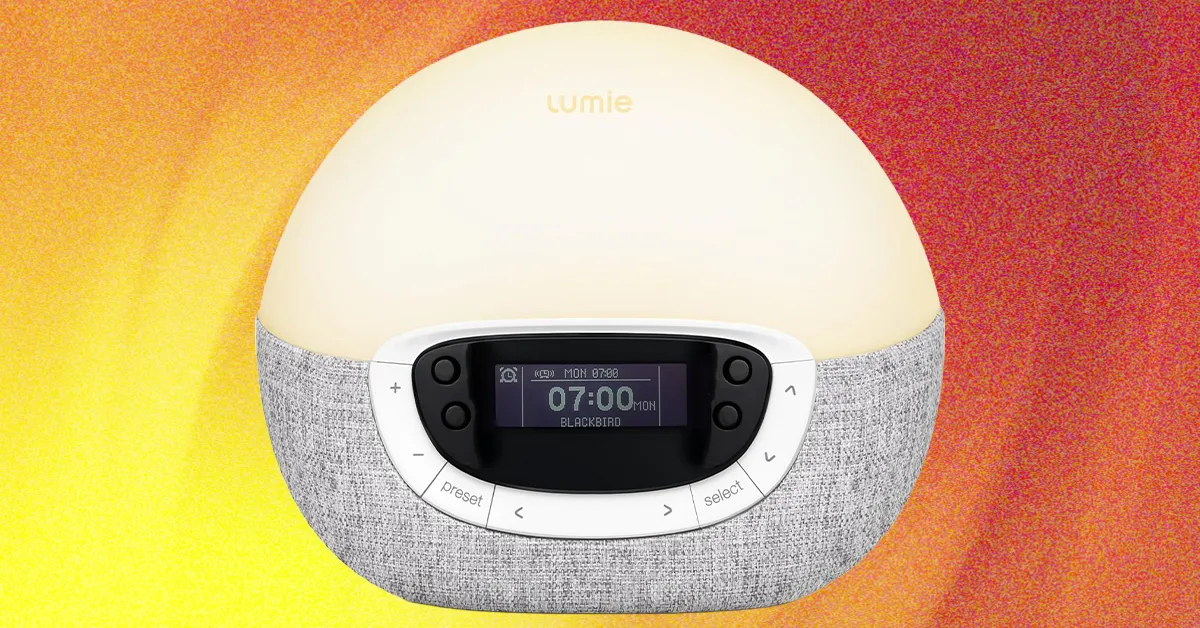
Lumie Bodyclock Shine 300 ($169): A close relative to the Lumie Bodyclock Luxe 700FM, the Shine 300 provides a similar sunrise simulation experience but with fewer radio-centric features. This includes the absence of a telescoping antenna and dedicated channel-saving buttons. If these radio features are not essential, the Shine 300 offers a more budget-friendly alternative.
Sunrise Clock Options for Kids
Waking up kids can be a struggle, but these sunrise alarm clocks are built for children.
- Hatch Baby ($100): The Hatch Baby, an updated version of the popular Hatch Rest, offers a playful approach to mornings. While it doesn’t feature a gradual sunrise, it utilizes a variety of colors and music to signal wake-up time, making it engaging for children. A six-month subscription to Hatch+ content further enhances its value. The Hatch Baby is also a popular night light that can dim and offer sound to help children fall asleep.
Finding Refurbished Sunrise Alarm Clocks
- Hatch Restore 2 ($94): While no longer sold directly by Hatch, the Restore 2 can be found refurbished through third-party retailers. It offers the same app and sound options as the newer Restore 3 but lacks the improved controls. Given the availability of the Restore 3, opting for the newer model is generally recommended.
Understanding Sunrise Alarm Clocks: How They Work
Sunrise alarm clocks leverage the power of light to regulate your body’s natural sleep-wake cycle, also known as your circadian rhythm. As explained by the National Institute of General Medical Sciences, the circadian rhythm is a roughly 24-hour cycle in the physiological processes of living beings, including plants, animals, fungi and cyanobacteria.
The Science Behind Simulated Sunrise
The core principle behind a sunrise alarm clock lies in mimicking the gradual increase in light intensity that occurs during a natural sunrise. This transition from darkness to light signals to your brain to suppress melatonin production, the hormone that promotes sleepiness, and increase cortisol levels, the hormone that helps you feel alert and awake.
Unlike the jarring effect of a sudden, loud alarm, the gentle sunrise simulation allows your body to wake up more naturally, reducing feelings of grogginess and improving overall alertness. Many models also offer a “sunset” feature, gradually dimming the light to help you wind down and fall asleep more easily.
Customization and Features
Modern sunrise alarm clocks offer a range of customizable features, allowing you to tailor the wake-up experience to your individual preferences:
- Sunrise Duration: Adjust the length of the sunrise simulation, typically ranging from 15 to 60 minutes.
- Light Intensity: Control the maximum brightness of the light to suit your sensitivity.
- Sound Options: Choose from a variety of nature sounds, ambient melodies, or even traditional alarm tones to accompany the light.
- App Integration: Some models offer app control, allowing you to adjust settings, create personalized routines, and track your sleep patterns.
- Sunset Simulation: Many clocks also offer sunset simulation, where the light gradually dims to help you wind down for the night.
What to Look for When Choosing a Sunrise Alarm Clock
With so many options available, selecting the right sunrise alarm clock can feel overwhelming. Consider these factors to make an informed decision:
- Features for Falling Asleep: Opt for a model with a nighttime routine or wind-down feature if you struggle to fall asleep. These routines often involve gradually dimming light and soothing sounds to promote relaxation.
- Brightness and Controls: If you intend to use the sunrise alarm clock as a bedside lamp, ensure it offers sufficient brightness and easy-to-use controls for adjusting the light level.
- Sound Options: Evaluate the variety and quality of sounds offered, ensuring they align with your preferences.
- App Control vs. Manual Controls: Determine whether you prefer the convenience of app control or the simplicity of manual buttons and dials.
- Price: Sunrise alarm clocks range in price from affordable to premium. Set a budget and prioritize the features that are most important to you.
People Also Ask: Addressing Common Concerns
- Do sunrise alarms work for heavy sleepers? Yes, sunrise alarms can be effective for heavy sleepers. Choosing a model with a gradual increase in brightness and a loud alarm sound can help ensure you wake up.
- What is the difference between a sunrise clock and a SAD lamp? While both devices utilize light, their purposes differ. Sunrise clocks are designed to simulate sunrise and aid in waking up, while SAD lamps provide light therapy to combat seasonal affective disorder (SAD) by mimicking sunlight during darker months.
- Can you share a sunrise clock with a partner? Generally, sharing a sunrise clock is not recommended, especially if both individuals are deep sleepers. The light is most effective when positioned close to the face, and each person will benefit from their own dedicated wake-up light.
Conclusion: Embrace the Light for a Better Morning
Investing in a sunrise alarm clock can significantly improve your morning routine and overall well-being. By gently waking you with simulated sunrise, these devices promote a more natural and energized start to your day. Whether you’re a heavy sleeper, struggle to fall asleep, or simply seek a more pleasant way to wake up, there’s a sunrise alarm clock to meet your needs. Consider the features, price, and user reviews to find the perfect model for you.
What do you think? Are you ready to ditch the jarring alarm and embrace the power of light? Share your thoughts and experiences in the comments below!
Sources & Further Reading:
Original article at www.wired.com


