
The Robotic Lawn Revolution: Why Your Yard Maintenance Is About to Get Smarter Than Ever
Ever imagined a summer weekend not dominated by the roar of a lawnmower? Once a futuristic pipe dream, robotic lawnmowers are rapidly transitioning from expensive novelties to mainstream household helpers. Fueled by breakthroughs akin to self-driving cars, these autonomous groundskeepers are evolving into sophisticated, reliable assets promising unparalleled convenience. For homeowners drowning in weekend chores, this wave of robotic lawn care technology isn’t just about gadgetry – it’s a fundamental shift toward reclaiming time and simplifying property maintenance. Adoption rates are accelerating because the latest generation offers intelligent, low-upkeep solutions that genuinely deliver on automation’s promise.
Core Technologies Driving the Autonomy Leap
The transformation is stark. Gone are the clunky machines strictly tethered to buried boundary wires. Modern robotic lawn mowers are navigating complex terrains and obstacles with startling precision, thanks to a confluence of advanced technologies:
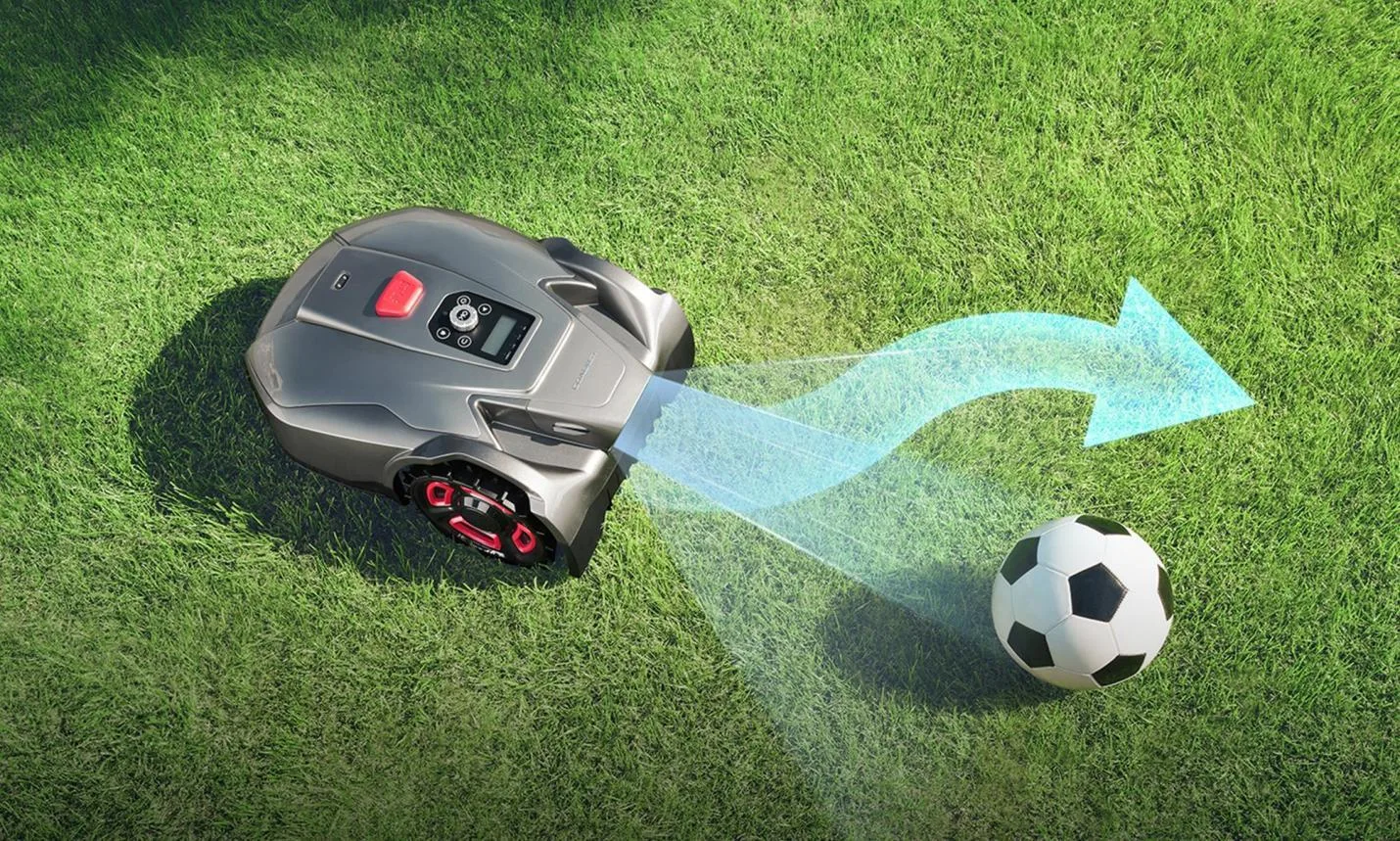
- Digital Vision Systems: Utilizing onboard cameras and AI-driven object recognition software, these systems constantly scan surroundings. This enables the mower to identify anything from toys and pets to flowerbeds and trees in real-time, adjusting its path instantaneously for collision avoidance. Companies like Husqvarna and Robomow emphasize vision-based navigation systems in their recent flagship models ([Source: Robotic Mower Comparison Studies]).
- RTK-GPS Precision: Real-Time Kinematic satellite positioning provides centimeter-level accuracy, far surpassing standard GPS used in smartphones or older mowers (Source: Wikipedia – RTK Positioning). This highly accurate self-localization eliminates the need for perimeter wires, allows for complex lawn mapping, and ensures no blade of grass is missed repeatedly – crucial for achieving advertised coverage rates exceeding 99%.
- Artificial Intelligence & Sensor Fusion: Raw data from cameras, RTK receivers, ultrasonic sensors, rain sensors, and wheel encoders feeds into sophisticated AI algorithms. This process, known as sensor fusion, creates a comprehensive, dynamic understanding of the environment. The AI learns the lawn’s layout over time, optimizing mowing patterns for maximum efficiency. Crucially, it enables true cognitive responses – differentiating a stationary rock from a quickly moving squirrel, for instance.
- LiDAR Emergence: Leading innovators are now incorporating Light Detection and Ranging (LiDAR) sensors. These emit laser pulses to create high-resolution 3D maps of the surroundings, excelling in low-light conditions where vision systems might struggle and offering superior obstacle detection precision, especially for thin objects like branches.
This technological trifecta – seeing, pinpointing location precisely, and intelligently interpreting the data – underpins the newfound freedom, safety, and effectiveness of these autonomous machines, making them viable for lawns of increasingly complex shapes and sizes.
Manufacturing Muscle: The Unseen Battleground
Innovation sparks fierce competition, but brewing beneath the software and circuits lies a critical differentiator: industrial manufacturing capability. Designing a smart robotic lawn mower is one feat; mass-producing it reliably, efficiently, and at scale is another.
- Established Giants Hold the Edge: Legacy players in outdoor power equipment (think


