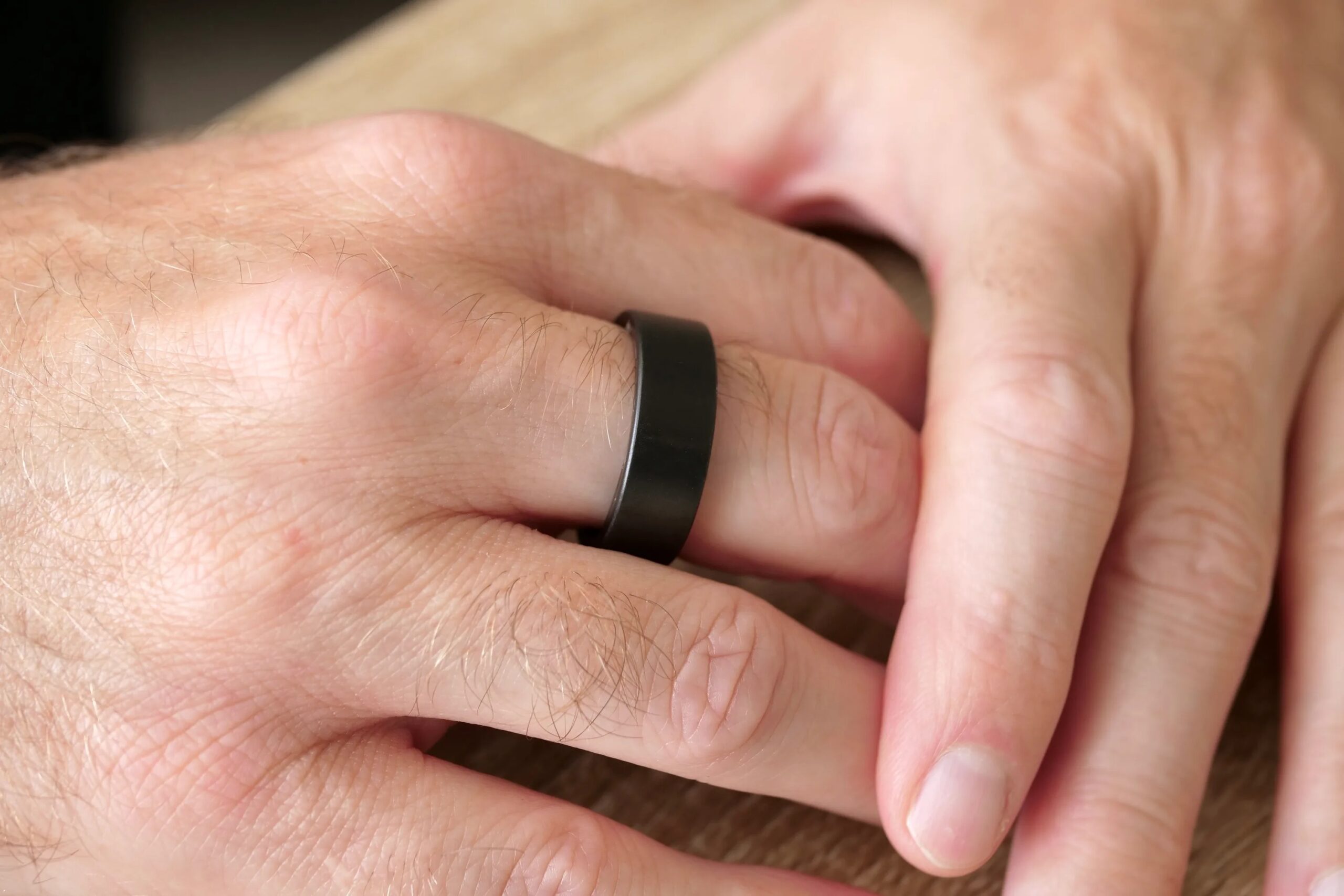

Beyond Tech Journalists: Why Smart Rings Haven’t Hit the Mainstream (Yet)
Have you ever spotted someone wearing a smart ring outside a tech expo? Chances are, you haven’t. Despite existing for over a decade, these discreet smart rings remain conspicuously absent from mainstream consumers’ fingers. Even tech journalists, the early adopters of countless gadgets, barely decorate their hands with the likes of the Oura Ring 4 or Ultrahuman Ring Air. With Samsung entering the fray with its Galaxy Ring and CES 2026 highlighting the category, the perennial question resurfaces: Are smart rings finally poised for their breakout moment? Understanding why they remain niche requires examining significant hurdles that manufacturers must overcome.
The Sizing Conundrum: Your Finger’s Fitting Room Nightmare
One of the most fundamental barriers to widespread smart ring adoption isn’t technology—it’s tailoring. Unlike smartwatches and fitness bands with universally adjustable straps, buying a wearable ring feels perilously close to purchasing fine jewelry.
- The Intimidation Factor: Selecting a ring size online ranges from sizes 4 to 15—territory unfamiliar to many. Most consumers struggle to recall their shoe size, let alone ring size.
- The Precision Problem: While methods exist (DIY kits, visiting jewelers, printable sizers), accurately determining your ring size adds friction to the simple act of buying tech. This isn’t a quick impulse purchase.
- The Risk of Error: Get the size wrong, and consequences range from discomfort and inability to wear it (too small) to losing the expensive device entirely or getting inaccurate health readings (too loose). Unlike swapping a watch band, you often need a whole new ring.
Mainstream dominance is unlikely until sizing becomes radically simpler—think adjustable designs, broader in-store availability for try-ons, or foolproof sizing tech integrated into the buying process.
Closing the Fitness Functionality Gap: More Than Just Sleep Tracking
One primary selling point for finger trackers is continuous health monitoring—heart rate, sleep stages, step counting—performed discreetly 24/7. Top contenders excel at sleep analytics and passive daytime metrics. However, this strength obscures a critical weakness.
- Limited Activity Tracking: Devices like the RingConn Gen 2 Air or Ultrahuman Ring Air handle only a handful of predefined exercises. The Oura Ring Gen 4? It requires manual workout logging—its sensors don’t actively detect and track workouts in real-time like basic fitness trackers.
- Missing the Aspirational Market: Fitness tech thrives on aspiration—buying gear expressly to motivate and enable activities. Cyclists get cycle computers, runners invest in dedicated headphones and GPS watches. Smart rings currently offer little compelling functionality for active users looking to improve performance or engage in dynamic training. They monitor states passively but don’t actively assist fitness journeys.
- The Functionality Imperative: For smart rings to compete seriously with wrist-worn devices, they must rapidly evolve to match core fitness tracker capabilities:
- Robust automatic workout detection (running, cycling, swimming, weight training)
- GPS integration (via smartphone connection or built-in)
- Detailed performance metrics and insights relevant during/post-workout
- Personalized fitness coaching guidance
Until rings significantly advance their active fitness toolkit, recommending them over flexible wristbands designed for athletes remains difficult.
Beyond Payments: Where Are the Everyday Smart Features?
Beyond health tracking, non-fitness functionalities remain strikingly underdeveloped in the smart ring market. While NFC contactless payments (popularized decades ago by pioneers like the McLear NFC Ring) are common, other smartwatch staples are glaringly absent.
- The Screenless Debate: The ring’s tiny form factor inherently limits screen integration. However, progress towards subtle notification alerts (vibrations + LED cues) or even projected micro-interfaces would add significant utility.
- Untapped Potential: Why can’t your finger tech…
- Control smart home devices discreetly (dim lights, adjust thermostat)?
- Mute calls or silence alarms with a gesture?
- Trigger voice assistant commands?
- Authenticate logins more securely?
- Feature Gap: Compare current smart rings to even inexpensive fitness trackers:| Feature | Entry-Level Fitness Tracker | Premium Smart Ring (Oura, Ultrahuman) |
|————————-|——————————–|——————————————|
| Activity Tracking | Extensive (Auto-detect, GPS) | Limited/Manual Only |
| App Notifications | Yes (Limited/Full) | No |
| Music Control | Yes | No |
| Weather Display | Yes | Rarely |
| Alarm/Timer | Yes | Via App Only |
| Smart Assistant | Often Supported | No |
| Payment (NFC) | Often Supported | Often Supported |
Expanding into these practical, everyday functionalities outside of pure biometrics is crucial for moving beyond niche health monitoring.
The Elephant in the Ring: Price Tags That Sting
Smart rings carry a significant financial barrier compared to wrist-worn alternatives. The category’s pricing structure itself signals its niche status.
- High Entry Cost: The cheapest reputable wearable rings start around $200. High-end models push $300-$350. Adding insult to injury, some (like Oura historically) require ongoing subscription fees ($5.99/month) to unlock full analytics—a deal-breaker for many. According to Statista, the average selling price of basic fitness trackers is significantly lower, often well under $100.
- Market Polarization: Current offerings cluster at two extremes: premium brand rings (Oura, Samsung Galaxy Ring, RingConn) and ultra-cheap, unreliable knock-offs found on discount marketplaces like Temu. There’s a stark absence of respectable mid-tier competitors in the crucial $80-$150 range—a sweet spot for attracting tentative buyers. As noted in market analysis by TechInsights, broader adoption often hinges on accessible mid-price options entering the market.
- The “Made It” Signal: Wide competition across price points is a hallmark of maturity. True mainstream dominance requires brands offering varying tiers of quality and features to suit different budgets—something sorely lacking today. Samsung’s Galaxy Ring arrival hints at movement, but affordable alternatives validated by trusted electronics brands remain elusive.
CES 2026 & Beyond: Small Steps, Not Giant Leaps
So, poised for mainstream explosion in 2026? The hurdles remain formidable. CES 2026 organizers have explicitly highlighted smart rings as a growing trend, suggesting increased industry focus. Major incumbents like Oura, RingConn, Ultrahuman, and Samsung will showcase improvements. New players will likely emerge.
However, transformative shifts seem unlikely next year:
- Major Player Hesitance: Apple’s consistent focus remains firmly on wristwear (Apple Watch, Apple Watch Ultra). Google Wear OS targets watches. Amazon explores other wearable niches. Absent a surprise entry from one of these giants, the jolt needed to propel rings into public consciousness won’t arrive quickly.
- Evolution, Not Revolution: Progress will likely involve iterative steps: slightly better fitness tracking algorithms, broader size solutions, longer battery life, perhaps localized adjustments for better fit. A leap to smartwatch-level functionality on your finger feels premature by 2026. Companies like Oura are focusing on refining existing models rather than radical redefinitions for the immediate future.
- Building Habit: Above all, rings need time. People must simply get used to the idea of wearable tech on their fingers. Mainstream tech adoption often follows a bell curve, starting slowly with innovators and early adopters before reaching critical mass. Rings remain squarely in the early adopter phase according to classic diffusion of innovation theory.
The Finger’s Future: Patience Required
Smart rings promise compelling advantages—discreet 24/7 health insights, contactless convenience, freedom from wristwear. Yet, their journey to ubiquity faces critical challenges. Convenience is hampered by complex sizing. Functionality lags behind affordable fitness trackers in fitness tracking prowess and broader smart features. Cost remains prohibitive for average buyers seeking accessible entry points. While CES 2026 will shine a spotlight on the category and iterative improvements continue, a seismic shift into the mainstream within the next year appears improbable. Realizing their potential hinges on manufacturers tackling these core issues: simplifying size selection, dramatically boosting fitness and smart functionality, and achieving meaningful price diversification. Until then, spotting one outside a tech event will still be a rare sight. Do you think smart rings will ever replace wrist trackers, or remain a niche companion? Share your thoughts!


