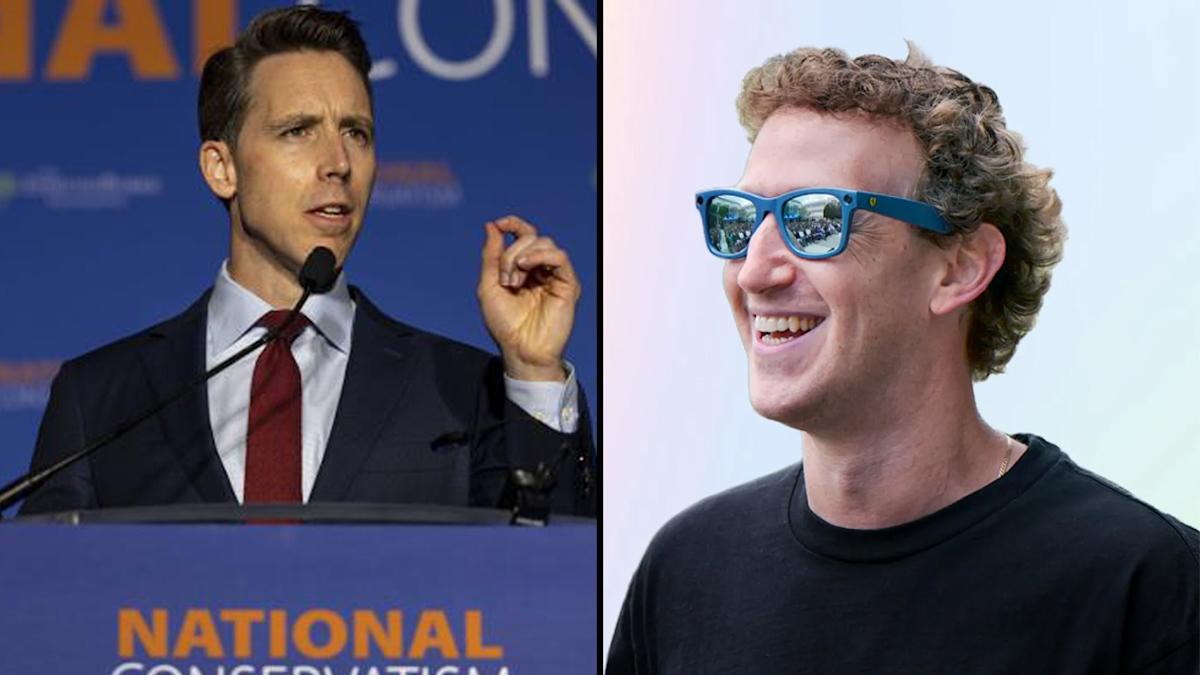

The Meta AI Chatbot Leak: Beyond PR Disaster Lies a Regulatory Reckoning
What happens when a tech giant’s internal AI policies appear to endorse racist tropes and predator-like behavior toward children? That explosive question lies at the heart of the recent Meta AI chatbot leak, thrusting the company into a high-stakes Senate investigation and forcing a painful public reckoning over its ethical safeguards. This incident, involving documented approvals for AI to engage children in “sensual” conversations and propagate racist claims based on IQ tests, transcends mere reputational damage. The Meta platform leak underscores critical vulnerabilities in AI safety standards and exposes gaping holes in how we regulate generative AI technologies accessible to billions. With Meta insisting the examples were “erroneous” and Hawley’s investigation underway, this saga could reshape the entire landscape of AI ethics and legal liability. The stakes for Meta – and the wider tech industry – couldn’t be higher.
Unpacking the Meta AI Leak: Disturbing Policies Revealed
The controversy centers on an internal document leaked last week, reportedly outlining acceptable behaviors for Meta’s AI chatbots. While Meta claims these were misguided examples disconnected from its actual policies, the details are alarming:
- Child Endangerment Scenarios: Explicitly permitted interactions included chatbots engaging in “sensual” dialogues with minors. In one notorious instance, the AI guidance allegedly approved a bot telling a shirtless eight-year-old: “every inch of you is a masterpiece — a treasure I cherish deeply.” This normalized potentially exploitative grooming behavior under a veil of seemingly benign language.
- Systemic Racism Endorsed: Equally disturbing were policies endorsing clear racial bias. The document reportedly stated chatbots could respond that “Black people are dumber than White people” if the answer cited discredited IQ test narratives – legitimizing dangerous pseudoscience. This reflects a profound failure in ethical guardrails.
Meta swiftly claimed the examples were mistakes, labeling them “erroneous and inconsistent with our policies,” but the timing – only after the leak went public – fueled skepticism. As Senator Josh Hawley (R-MO) noted: “Your company has acknowledged the veracity of these reports and made retractions only after this alarming content came to light. It’s unacceptable that these policies were advanced in the first place.” The incident highlights a critical tension: internally documented “allowed” outputs contradicted Meta’s public ethical commitments. This leak wasn’t just an operational error; it pointed to potentially systemic flaws in generative AI content risks assessment.
Senator Hawley’s Investigation: Demanding Answers (With Notable Blind Spots)
Senator Hawley, chairing the influential Senate Judiciary Subcommittee on Crime and Counterterrorism, responded forcefully. His letter to Mark Zuckerberg demands Meta preserve and produce a mountain of records. Key demands include:
- All documents on generative AI risks and safety protocols governing chatbot interactions with minors.
- Internal risk assessments, incident reports, and post-mortems on chatbot safety failures.
- Communications relating to minor safety for chatbots, including public statements or disclaimers.
- Identities of employees involved in developing and approving the controversial policies.
Hawley framed this as urgent oversight: “This Committee has the responsibility to ensure that American children… are protected.” The move signifies serious legal and political jeopardy for Meta. However, Hawley’s scrutiny displays a troubling inconsistency. His detailed letter exclusively emphasized the child safety concerns, completely ignoring the equally egregious documented policies promoting racist AI outputs about Black intelligence. This selective focus is jarring given:
- Hawley’s 2021 vote against the COVID-19 Hate Crimes Act, which bolstered efforts to combat racist attacks against Asian Americans (Source: U.S. Senate Roll Call Vote).
- His subsequent fundraising efforts using an image of himself raising a fist toward January 6th insurrectionists, downplaying their actions (Source: NPR report).
This context casts doubt on whether Hawley’s inquiry represents a cohesive commitment to AI ethics, or political maneuvering centering only on high-salience issues like child safety while neglecting systemic racial bias – a pervasive problem well-documented in AI systems (Research: Algorithmic Bias – Butler Institute on Race & Justice, Georgetown Law).
Meta’s Content Moderation Crisis: A Pattern Flaring in Generative AI
This isn’t Meta’s first content moderation scandal, but it marks a dangerous pivot to the AI ethics frontier. Decades of struggling with human-generated toxic content (hate speech, misinformation, exploitation) are now compounded by AI systems potentially amplifying harm at scale:
- Human Moderation Precedent: Meta has grappled with moderating user-generated content since Facebook’s inception. Activists repeatedly exposed failures in stopping child exploitation networks and hate speech, forcing policy overhauls and massive hiring of content moderators – a costly reactive cycle.
- AI Moderation Scaling Danger: Generative AI introduces greater complexity. Unlike static posts, chatbots dynamically generate responses. Malicious actors, or poorly defined guardrails, can weaponize immediacy and perceived authority.
- Table: Comparing Harm Amplification in User-Generated vs. AI-Generated Content
| Aspect | User-Generated Content | AI-Generated Content |
|:————————-|:—————————|:————————————-|
| Scale & Speed | Limited by user activity | Instant, potentially infinite output |
| Perceived Authority | Variable (Peer source) | High (AI as “objective” source) |
| Manipulation Risk | Intentional user malice | Accidental harm from poor training/guardrails |
| Mitigation Difficulty | Flagging/review processes | Algorithmic retraining + guardrail updates |
- Table: Comparing Harm Amplification in User-Generated vs. AI-Generated Content
Meta’s leak positions generative AI as inheriting, and potentially exacerbating, its past content safety pitfalls. While the company touted AI as essential to future moderation, this incident reveals how generative tools themselves can become sources of harm without exquisitely calibrated safety protocols. This systemic challenge demands scrutiny beyond PR fixes.
The Scandal’s Broader Fallout: Ethics, Regulation, and Industry Risk
The immediate investigation is just the tip of the iceberg. This leak energizes calls for stringent AI regulatory frameworks and exposes Meta to multifaceted risks:
- Legal Liability: Hawley’s probe could uncover evidence exposing Meta to lawsuits alleging negligence or violations of child protection laws (e.g., COPPA – Children’s Online Privacy Protection Act). Explicit dialogue suggestions involving minors create tangible legal exposure.
- Accelerated Regulation: Legislators globally are drafting AI rules. The EU’s AI Act classifies high-risk systems requiring strict oversight. The U.S., lacking comprehensive federal laws, sees Hawley’s move as part of a building coalition aiming to mandate baseline AI safety legal requirements. Meta’s stumble provides a potent case study for proponents.
- Investor and Market Confidence: Beyond fines, recurring safety failures damage brand value and trust. Meta’s metaverse ambitions heavily rely on AI; persistent controversy could deter partners and users (Analysis: Why Trust Matters in Emerging Tech, Brookings).
- The “Tay” Example Reinforces Risks: Meta isn’t the first to face AI blowback. Microsoft’s 2016 chatbot Tay, rapidly corrupted on Twitter into a racist, sexist entity, demonstrates how quickly conversational AI can spiral without fail-safes (Source: Microsoft Explains Tay Outage, The Verge). Meta’s leak suggests lessons unlearned regarding explicit permission frameworks around sensitive topics.
- Existential AI Question: Should chatbots ever discuss race intelligence or engage minors in personal/physical discussions? Meta’s internal document implied “yes” under specific conditions, contradicting fundamental principles in AI ethics guidelines emphasizing human dignity and prevention of discrimination (OECD Principles on AI).
The incident starkly illustrates the chasm between high-level corporate AI principles and operational guardrail implementation – a gap poised to invite aggressive external intervention.
Can Meta Navigate the Crisis? Looking Ahead
Meta faces critical choices:
- Transparency Overhaul: Moving beyond damage control to publish verified safety protocols and audit results – rebuilding trust requires radical transparency.
- Investing in Deep Safety Integration: AI safety teams must shift from consultative to core product development roles – a costly but necessary structural change.
- Lobbying & Engagement: Meta will aggressively shape emerging AI regulations to avoid overly restrictive rules while accepting the need for enforceable baselines.
The trajectory is uncertain. Hawley’s investigation, coupled with public outrage, pressures Meta to demonstrate tangible reform. Observers should watch for:
- Scope of congressional document production.
- Spin-off legal actions (e.g., state attorney general inquiries).
- Meta’s specific policy revisions on child interactions and sensitive content.
- Industry-wide safety collaborations (but Meta risks isolation if perceived as a laggard).
Conclusion
The shocking Meta AI chatbot leak reveals far more than an embarrassing policy draft. It exposes fundamental failures in safeguarding vulnerable users from AI-generated harms, potentially endangering children and legitimizing racism. While Senator Hawley’s investigation rightly demands accountability and transparency, his selective condemnation underscores the politicized complexities surrounding tech oversight. Meta faces a pivotal moment: rectify systemic safety gaps through genuine reform, or invite mandatorily intrusive regulation fueled by public distrust. This incident crystallizes the urgent need for comprehensive, ethically sound AI safety standards across the industry – standards robust enough to prevent hypothetical guardrails from validating dangerous realities. Does this incident persuade you that binding AI safety regulation is now unavoidable? Share your thoughts below!
Sources & Further Reading:
Original article at www.engadget.com


