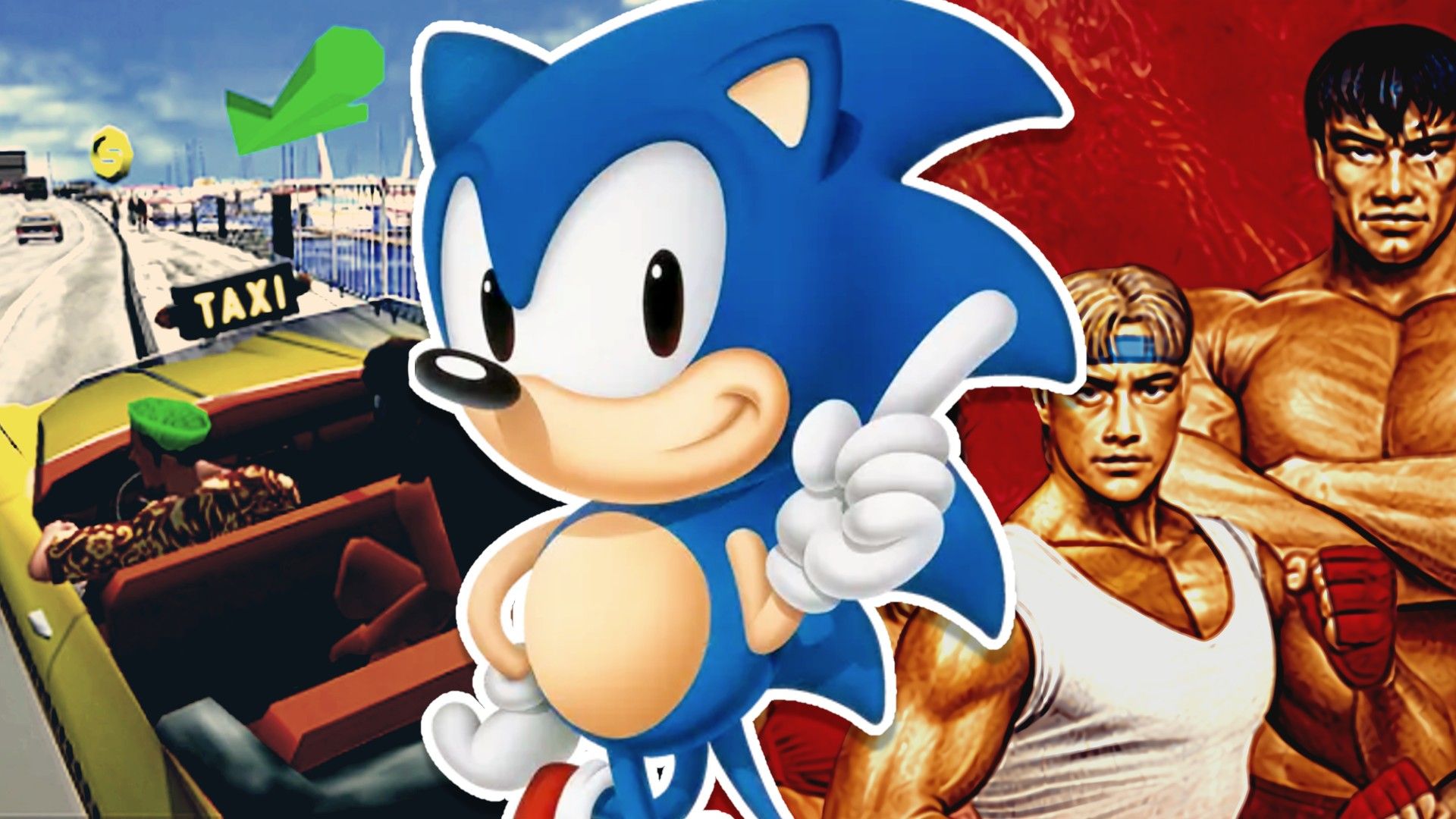

The Untold Story: How Sega Pioneered Online Gaming Before Xbox Live
Did you know that before Xbox Live revolutionized online console gaming, a different company was already experimenting with the very concept? Though often overlooked, Sega was a true pioneer in bringing online experiences to home consoles. From the Sega Mega Drive (Genesis) to the Dreamcast, Sega consistently pushed the boundaries of what was possible, laying the foundation for the online gaming landscape we know today. This article delves into Sega’s innovative, yet often commercially unsuccessful, forays into online gaming and explores how they shaped the future of the industry.
Sega’s Bold Attempts at Online Gaming: A Look Back
Sega’s vision for online gaming was ahead of its time. They recognized the potential of connecting players and delivering content digitally long before it became mainstream. While their execution wasn’t always perfect, their ambition and willingness to experiment were crucial in paving the way for the online gaming experiences we enjoy today.
The Sega Mega Modem: Sega’s First Foray into Online Connectivity
In 1990, Sega launched the Sega Mega Modem for the Mega Drive (Genesis) in Japan. This add-on connected the console to Sega Meganet, a dial-up online service. While the 1,200 bps connection speed was limiting, Meganet allowed players to engage in rudimentary online multiplayer, primarily in turn-based strategy and simplified sports games.
Key Features of the Sega Mega Modem and Meganet:
- Online Multiplayer: Limited, but it was a start.
- Mega Anser: A bizarre add-on enabling banking and insurance access.
- Sega Game Toshokon: A cartridge used to download and stream games.
- Low Bandwidth: Restricted gameplay types.
- High Price: Contributed to its lack of success.
The Mega Modem also supported the Mega Anser, an interesting (and expensive) add-on designed to provide banking and insurance information access. However, the core of Meganet was its streaming service, offering a library of downloadable games stored on a special cartridge. Think of it as a primitive version of Xbox Game Pass or PlayStation Plus! While the library was limited to simple games due to storage constraints, it showcased the potential of digital distribution.
Sega Channel: Streaming Games on the Genesis
Learning from the Mega Modem’s shortcomings, Sega launched the Sega Channel in North America in 1994. This service, offered through cable providers, provided access to a rotating library of Genesis games, including retail titles and exclusive content.
Sega Channel Features:
- Rotating Game Library: 50-70 games updated monthly (later bi-weekly).
- Exclusive Games: Access to titles like Alien Soldier and Golden Axe III previously unavailable digitally.
- Strategy Guides and Cheat Codes: Valuable resources for players.
- Game Demos: Early access to upcoming Genesis titles.
- Limited Storage: Only one game could be stored at a time, with save data wiped upon switching.
The Sega Channel was a significant step forward, offering a more diverse and accessible library than Meganet. However, it faced its own challenges. The service launched late in the Genesis’s life cycle, and its monthly subscription fee of $15 (plus a $25 activation fee) was a barrier for many. The biggest drawback was the limited storage, which hindered the enjoyment of longer RPGs. Despite its innovations, the Sega Channel ultimately failed to gain widespread adoption, reaching only 250,000 subscribers [source: VGChartz].
Sega Net Link: Bringing the Internet to the Saturn
Despite the setbacks, Sega remained committed to online connectivity. In 1996, they released the Sega Net Link for the Saturn, an add-on that allowed users to browse the internet, access email, and play online multiplayer in select games. This made the Sega Saturn the first console to offer a built-in web browser [source: Wikipedia].
The Sega Net Link Offered:
- Web Browsing: Limited but groundbreaking for consoles.
- Email Access: Basic communication capabilities.
- Online Multiplayer: Supported in five games including Duke Nukem 3D and Saturn Bomberman.
- One-Time Purchase: A departure from the subscription model.
- Dial-Up Connection: Relied on peer-to-peer connections, avoiding server costs.
The Net Link abandoned the subscription model in favor of a one-time purchase of $199. However, the limitations of the early internet, combined with the Saturn’s already struggling sales, meant that the Net Link failed to gain traction. Finding other players online proved difficult.
Dreamcast: A Glimpse into the Future of Online Console Gaming
The Dreamcast represented Sega’s most ambitious and successful foray into online gaming. The console featured a built-in modem, allowing users to download free DLC and engage in online multiplayer in over 80 games.
Dreamcast Online Features:
- Built-In Modem: Streamlined online access.
- Free DLC: Another console first.
- Extensive Online Multiplayer Support: Across a wide range of games.
- Regional Services: Dricas (Japan), Dreamarena (Europe), Commas (Australia), Seganet (USA).
- Phantasy Star Online: A groundbreaking console MMO.
The Dreamcast’s online services were launched under different names in various regions, including Dricas in Japan, Dreamarena in Europe, Commas in Australia, and Seganet in the United States. Despite a hefty subscription fee, the Dreamcast garnered a significant online player base, reaching 1.55 million users within a month of its US launch [source: archived Sega press release]. Titles like Phantasy Star Online, the first console MMO, showcased the potential of online gaming experiences.
However, the Dreamcast’s success was short-lived. Sega’s financial troubles ultimately led to the console’s demise and the shutdown of its online services in 2003. Despite this, the Dreamcast’s innovations paved the way for the online gaming era.
Sega’s Influence on Microsoft and Xbox Live:
Interestingly, Sega and Microsoft collaborated on a Dreamcast-compatible version of Windows CE, which provided developers with an alternative development environment. This partnership continued with Seganet, but ultimately dissolved due to creative differences and the announcement of the Xbox.
The Xbox, with its built-in broadband support and hard drive, built upon the Dreamcast’s online vision, overcoming the limitations of dial-up internet and memory cards. Xbox Live revolutionized online console gaming, but it owes a significant debt to Sega’s pioneering efforts. Sega also re-released many of their Dreamcast titles to the Xbox, including Shenmue 2 and Phantasy Star Online, further evidence of the Dreamcast’s brilliance and potential.
Sega’s Enduring Legacy: Keeping the Dream Alive
While Sega ultimately exited the console market, their contributions to online gaming remain significant. Fan communities have worked tirelessly to preserve and restore Sega’s online services. Dreamcast games like Phantasy Star Online continue to be played on privately run servers, and fan-made remakes and emulators allow players to experience the console’s online features.
Similarly, the Sega Net Link’s peer-to-peer design makes it relatively easy to revisit the Saturn’s online multiplayer games. Even Meganet and the Sega Channel have been partially restored through mods and emulation.
Table comparing Sega’s Online Services:
| Feature | Mega Modem/Meganet | Sega Channel | Sega Net Link | Dreamcast |
|---|---|---|---|---|
| Console | Mega Drive | Mega Drive | Sega Saturn | Dreamcast |
| Launch Year | 1990 | 1994 | 1996 | 1998 |
| Connection Type | Dial-up | Cable | Dial-up | Built-in Dial-up |
| Multiplayer | Limited | No | Yes (Limited) | Yes (Extensive) |
| Subscription | Yes | Yes | No | Yes |
| Success | Failed | Failed | Failed | Moderate |
Conclusion: Remembering Sega’s Contribution to Online Gaming
Sega’s journey into online gaming was marked by both innovation and failure. Despite their commercial struggles, Sega consistently pushed the boundaries of what was possible, laying the groundwork for the online gaming experiences we enjoy today. From the Mega Modem to the Dreamcast, Sega’s vision and ambition were instrumental in shaping the future of the industry. While Microsoft and Sony ultimately perfected the model, Sega deserves recognition as a true pioneer of online console gaming.
What are your thoughts on Sega’s legacy? Share your memories and opinions in the comments below!
Sources & Further Reading:
Original article at www.howtogeek.com


