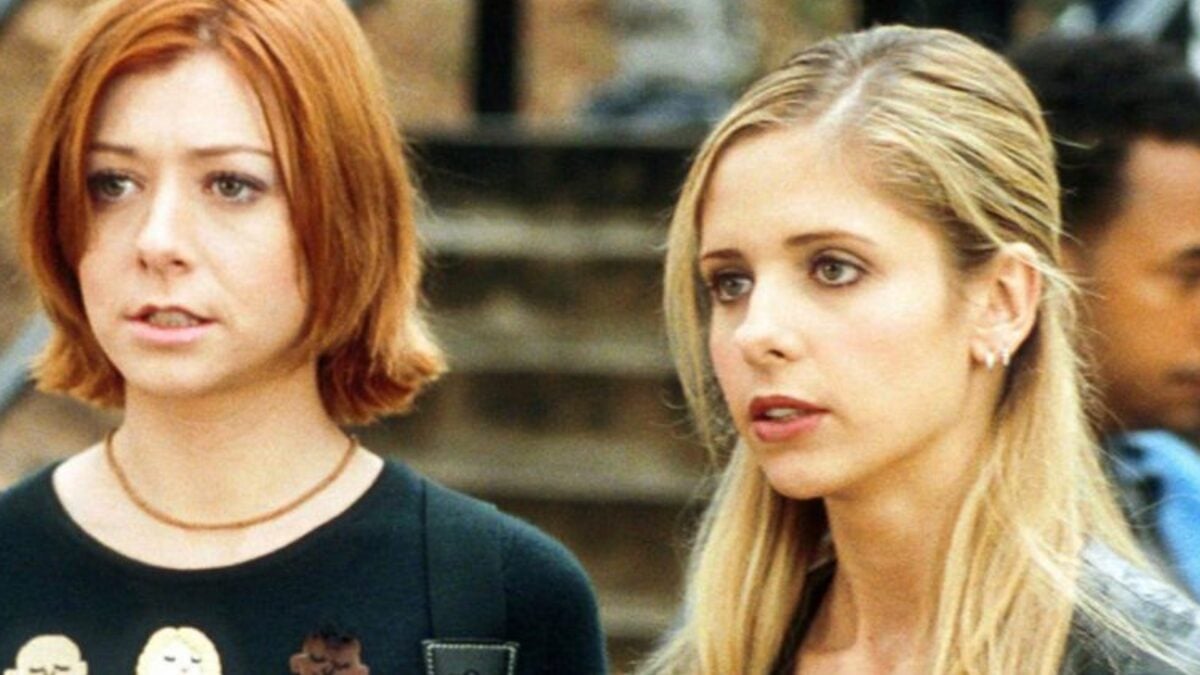

Is the Future of Reboots Bright? Sarah Michelle Gellar Defends the Power of Revivals
Why do some reboots soar while others crash and burn? The entertainment industry is constantly revisiting beloved stories, hoping to recapture the magic for a new generation. Sarah Michelle Gellar, the iconic star of Buffy the Vampire Slayer, recently weighed in on the topic, offering a refreshing perspective on the value of reboots and revivals. She argues that when done right, these projects can honor the original while offering fresh relevance. With a new Buffy the Vampire Slayer series on the horizon, featuring Ryan Kiera Armstrong and Gellar herself, her insights into navigating the tricky terrain of legacy and innovation are particularly insightful.
The Enduring Appeal of Reboots: More Than Just Nostalgia?
The question of whether to reboot or not to reboot has plagued Hollywood for years. Some view reboots as creatively bankrupt cash grabs, while others see them as opportunities to introduce classic stories to new audiences and explore familiar themes through a modern lens. Gellar’s stance is clear: reboots and revivals have a purpose. She emphasizes the importance of art that not only stands the test of time but also continues to resonate with audiences as the world changes. This suggests that the best reboots aren’t simply relying on nostalgia; they’re tapping into deeper, universal themes that remain relevant across generations.
Why Reboots Matter: Gellar’s Perspective
Gellar’s defense of the reboot rests on a few key pillars:
- Timelessness and Resonance: She believes that stories worth revisiting possess an enduring quality that transcends time. These stories continue to speak to audiences because they address fundamental aspects of the human experience.
- Emotional Connection: A successful reboot needs to maintain an emotional connection with the fans. This requires respecting the source material and understanding what made it special in the first place.
- Relevance to the Present: The best reboots find ways to connect the original story to contemporary issues and concerns. They use the familiar framework to explore new themes and perspectives.
The Fine Line Between Homage and Rehashing
Gellar acknowledges the potential pitfalls of reboots, particularly the temptation to simply rehash old storylines and characters. She stresses the importance of “capturing the DNA of the original” without becoming a carbon copy. This delicate balance is crucial for avoiding criticism and ensuring that the reboot stands on its own merits. The goal, therefore, is to create something new and exciting while honoring the legacy of the original.
A New Buffy the Vampire Slayer: Honoring the Past, Embracing the Future
The upcoming Buffy the Vampire Slayer sequel on Hulu presents a fascinating case study in rebooting a beloved franchise. With Ryan Kiera Armstrong taking on the role of the Slayer and Gellar returning in a supporting capacity, the series aims to capture the spirit of the original while forging its own path.
The Heart of Buffy: Found Family and Belonging
According to Gellar, the new series will focus on the core themes that made Buffy so special: the importance of found family, the sense of belonging, and being loved for who you are. These themes, she argues, are even more relevant today than they were when the original series premiered. In a world that often feels fragmented and isolating, the idea of finding community and acceptance is a powerful message.
Ryan Kiera Armstrong Takes on the Slayer Mantle
Casting Ryan Kiera Armstrong as the new Slayer is a bold move that signals a willingness to embrace change. Armstrong, known for her roles in American Horror Story and Firestarter, brings a fresh energy and perspective to the character. This allows the series to explore the Slayer mythology in new and exciting ways.
Sarah Michelle Gellar’s Role: Passing the Torch?
Gellar’s decision to return in a supporting role suggests a desire to mentor the next generation of slayers. Her presence provides a link to the original series while also allowing the new cast to shine. This “passing the torch” approach is a common strategy in reboots and revivals, allowing for both continuity and innovation.
The Reboot Landscape: Successes, Failures, and Lessons Learned
The history of reboots is filled with both triumphs and disasters. Examining these examples can provide valuable insights into what works and what doesn’t.
| Reboot Type | Example | Success Factors | Pitfalls to Avoid |
|---|---|---|---|
| Successful | Battlestar Galactica (2004) | Strong writing, compelling characters, relevant themes, departure from the original while respecting it. | Over-reliance on nostalgia, failing to capture the spirit of the original. |
| Mixed Reception | Charmed (2018) | Diversified cast, modern storylines. | Deviation from established lore, alienating original fans. |
| Failed | Charlie’s Angels (2019) | Attempt to modernize the franchise. | Weak writing, lack of chemistry among the cast, failure to capture the essence of the original. |
Key Takeaways from Successful Reboots:
- Strong Writing: A compelling narrative is essential for any reboot, regardless of the source material.
- Compelling Characters: Audiences need to connect with the characters, whether they are new creations or reimagined versions of familiar faces.
- Relevant Themes: The reboot should explore themes that resonate with contemporary audiences.
- Respect for the Original: While innovation is important, the reboot should also honor the legacy of the original.
The Future of Reboots: A Hopeful Outlook?
Sarah Michelle Gellar’s perspective offers a hopeful outlook for the future of reboots. By emphasizing the importance of timelessness, emotional connection, and relevance to the present, she provides a roadmap for creating reboots that are both successful and meaningful. The upcoming Buffy the Vampire Slayer sequel will be a crucial test case, demonstrating whether it is possible to recapture the magic of the original while forging a new path for the franchise.
People Also Ask:
- What makes a good reboot? Strong writing, compelling characters, relevant themes, and respect for the original source material.
- Why are reboots so popular? They offer a sense of nostalgia, introduce classic stories to new audiences, and provide opportunities to explore familiar themes through a modern lens.
- Are reboots creatively bankrupt? Not necessarily. When done right, reboots can be innovative and meaningful, offering fresh perspectives on beloved stories.
Conclusion: Will the New Slayer Rise?
Sarah Michelle Gellar’s insights into the world of reboots are a valuable reminder that these projects can be more than just cash grabs. By focusing on the core elements that made the original Buffy the Vampire Slayer so special – found family, belonging, and acceptance – the upcoming sequel has the potential to be a successful and meaningful addition to the franchise. Only time will tell if the new Slayer will rise to the challenge, but with Gellar’s guidance and a commitment to honoring the past while embracing the future, the odds are looking good. What do you think? Will the new Buffy live up to the hype? Comment below!
Sources & Further Reading:
Original article at gizmodo.com


