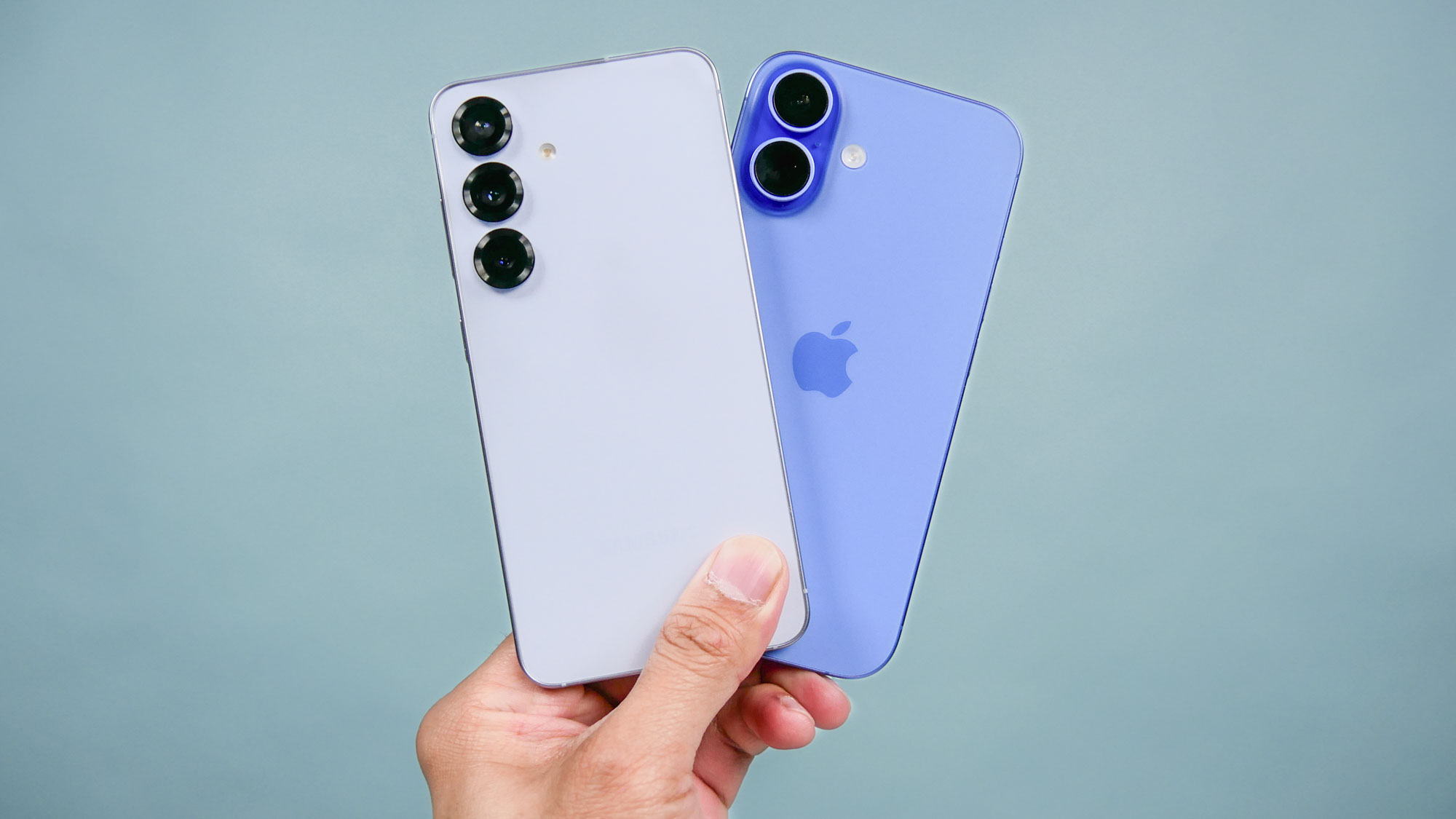

The Great Smartphone Shake-Up: How Samsung is Rewriting the U.S. Market Playbook
Is the era of Apple’s undisputed U.S. smartphone dominance coming to an end? A seismic shift occurred in Q2 2025, shaking the foundations of the American mobile market. For the first time in over a decade, Apple experienced a rare double-digit decline in shipments, while Samsung surged dramatically, fueled by strategic pricing and surging demand for foldable smartphones. According to Canalys data, Apple’s market share plummeted from 56% to 49%, while Samsung’s soared from 23% to 31% in the same period. This isn’t just a blip; it’s a significant 15-point narrowing of the market share gap between the giants, signaling evolving consumer priorities and intensified competition in critical segments like affordable and innovative folding devices.
H2: Decoding the U.S. Market Share Shift: A Landslide for Samsung
The numbers paint a stark picture. Canalys reported that the overall U.S. smartphone market saw only marginal growth, ticking up slightly to 27.1 million units in Q2 2025 compared to 26.7 million a year prior. Within this stagnant landscape, Samsung achieved a remarkable feat:
- Explosive Growth: Samsung shipments skyrocketed 38% year-over-year to 8.3 million units.
- Apple’s Decline: In stark contrast, Apple shipments fell 11%, dropping to 13.3 million units from 14.9 million.
- Gap Narrowed: The chasm separating the two leaders shrank significantly – down to just 18 percentage points from 33 points a year earlier.
This marks Samsung’s strongest challenge to Apple’s U.S. throne since 2014, a time when Samsung aggressively championed larger “phablet” screens while Apple hesitated. The Korean giant has now forcefully returned to the battleground on Apple’s home turf.
Smartphone Market Share & Shipments: U.S. Q2 2025 (Canalys Data)
| Company | Q2 2024 Share | Q2 2025 Share | YoY Change | Q2 2024 Shipments | Q2 2025 Shipments | YoY Shipment Change |
| :———— | :———— | :———— | :——— | :—————- | :—————- | :—————— |
| Apple | 56% | 49% | -7 pp | 14.9M | 13.3M | -11% |
| Samsung | 23% | 31% | +8 pp | ~6.1M | 8.3M | +38% |
| Others | 21% | 20% | -1 pp | ~5.6M | ~5.5M | ~Flat |
| Total Market | 100% | 100% | N/A | 26.7M | 27.1M | +1.5% |
\Q2 2024 Samsung/Others shipments calculated based on overall market and reported shares.
H3: Samsung’s Winning Formula: “Smart Volume” and Foldable Fortitude
So, how did Samsung engineer this turnaround? Canalys credits its “smart volume” strategy as the linchpin of success. This approach hinges on flooding the market with targeted devices at every conceivable price point.
- Dominating the Budget Battlefield: While headlines focus on flagships, Samsung made massive gains with its affordable Galaxy A series (like the Galaxy A36). This exploited a crucial weakness in Apple’s rigidly premium portfolio. Canalys analyst Runar Bjørhovde emphasized this advantage: “That is a massive span of devices… you can meet [consumers] at every spot.” Samsung’s A-series phones deliver core functionality at accessible prices ($200-$500 range), directly countering inflationary pressures and appealing to value-conscious buyers neglected by Apple.
- Premium Power: Foldables Take Flight: Samsung didn’t neglect the high-end. Its foldable smartphones, the just-released Galaxy Z Fold 7 and Z Flip 7, generated significant buzz and traction. Canalys highlighted their “surprising durability and value” resonating strongly on social media and with consumers. Covering a premium spectrum from ($650 for the S24 FE up to $2,400 for a maxed-out Fold 7), Samsung offers tangible innovation – the transformative foldable form factor – directly challenging Apple’s incremental flagship updates.
- Beyond Consumer Choice: Canalys also noted an external factor boosting Samsung: “frontloading of inventory into the U.S. amid tariff concerns.” Proactively shipping devices ahead of potential import cost increases under Trump-era policies gave them a tactical inventory advantage during the quarter.
H3: Apple’s Slide: Why the iPhone Stumbled
Apple’s 11% shipment decline isn’t merely Samsung’s gain; it reflects identifiable pressures:
- Lack of Price Flexibility: With no true budget offering, Apple is overly exposed during economic uncertainty. Its oldest “affordable” new iPhone (iPhone SE) starts at $429, leaving a vast price segment uncontested.
- Innovation Perception Gap: While powerful, the iPhone lineup lacks the disruptive excitement generated by Samsung’s folding displays. Incremental upgrades (better cameras, faster chips) impress loyalists but struggle to steal headlines or convert swing buyers seeking the next big thing.
- Market Saturation & Upgrade Fatigue: With the core iPhone user base massive, convincing users to upgrade annually has become harder without transformative features – a trend Samsung counteracts by offering genuinely novel form factors.
H3: The High-Stakes Road Ahead: Foldables and the Fight Back
All eyes now turn to Apple’s response at its September iPhone 17 launch. Reports suggest a significant overhaul, potentially replacing the Plus model with an ultra-slim iPhone 17 Air, directly targeting Samsung’s Galaxy S25 Edge. However, skepticism is warranted:
- The S25 Edge, despite its thin profile, provided only a “slight year-over-year boost” for Samsung according to Counterpoint Research, suggesting consumers weren’t wildly enthused by thinness alone.
- Apple risks repeating this lukewarm reception if the iPhone 17 Air’s primary appeal is form factor (thinness) rather than revolutionary function (like foldability).
- The Foldable Elephant in the Room: Apple remains conspicuously absent from the foldable device arena – the very segment driving the most visible excitement and share gains for rivals. Persistent rumors of an Apple Foldable remain unfulfilled. (Learn more about foldable phone technology development on Wikipedia).
Samsung shows no signs of slowing, likely leveraging its foldable momentum into 2026. The challenge for Apple is multifaceted: Can it reignite demand with iterative designs? Will a thin iPhone truly compete? And most crucially, how much longer can it afford to ignore the foldable revolution?
Conclusion: A Shifting Landscape Demands Bolder Moves
The Q2 2025 U.S. smartphone results were a watershed moment. Samsung’s potent combination of diverse pricing (“smart volume”), aggressive marketing of innovative foldable phones, and strategic inventory moves slashed Apple’s dominant lead. Apple’s reliance on a narrow premium lineup left it vulnerable to economic pressures and Samsung’s portfolio depth. While Apple remains #1, its position is demonstrably fragile. The iPhone 17 launch in September is pivotal: Apple must deliver more than just a thinner phone; it needs compelling innovation, especially as Samsung cements foldables as the new premium benchmark. If it fails to address the budget gap or finally embrace foldable or radically transformative designs, the 18-point gap may continue to shrink.
What do you think? Can Apple bounce back with the iPhone 17, or is Samsung’s foldable focus the undeniable future of the premium market? Share your thoughts below!
Sources & Further Reading:
Original article at www.tomsguide.com


