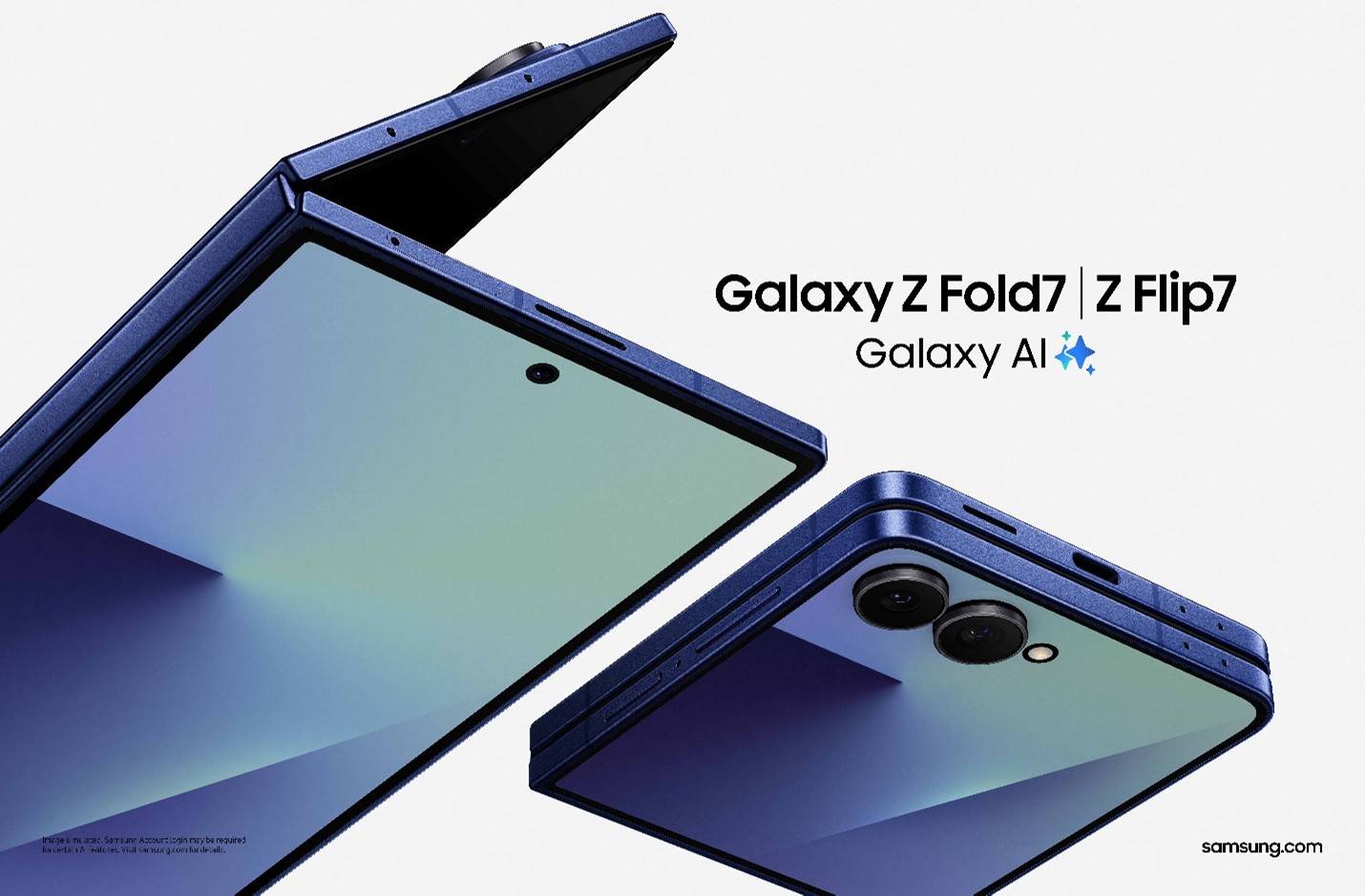

The Foldable Tipping Point: How Samsung’s Galaxy Z Series Shattered Records (and Expectations)
Introduction
Is $2,000 too much for a phone? Samsung just proved that for the right device, the answer is a resounding “no.” The launch of the Galaxy Z Fold 7 and Z Flip 7 has ignited an unprecedented consumer frenzy, shattering pre-order records globally and stunning even Samsung itself. From stock depletion in India within 48 hours to a historic surge in premium foldable adoption in South Korea and the US, these devices signal a pivotal moment for foldable smartphones. This explosive demand isn’t just about iterative upgrades; it strongly suggests foldables are decisively moving beyond the realm of tech enthusiasts and into the mainstream consciousness, fundamentally shifting the dynamics of the high-end mobile market. Samsung’s supply chain is now scrambling to keep pace with a revolution it helped start.
Body: Decoding the Galaxy Z Fold 7 and Z Flip 7 Pre-Order Phenomenon
1. Global Surge: Records Tumble Across Continents
The term “unexpected demand” has been a recurring theme emerging from Samsung’s global headquarters. The launch wasn’t merely successful; it was seismic.
- India: A Stampede for Innovation: In a market known for price sensitivity, the Fold 7 and Flip 7 triggered an astonishing response. Samsung exhausted its initial inventory in just two days. Over 210,000 units were pre-ordered within the first 48 hours, a figure so high the company openly admitted it had significantly underestimated the market appetite, particularly for the flagship Fold starting at ~₹1,85,000 ($2,000 USD). (Source: [Major Indian tech news outlets like Gadgets360, Indian Express – Samsung Official Announcement Data])
- South Korea: Home Turf Dominance and a Historic Shift: On Samsung’s home ground, the story was one of both scale and surprise. Pre-orders for the duo smashed past 1.04 million units in their launch week, a substantial leap from the 910,000 recorded for their predecessors the year before (Source: [Samsung Korea Official Release Data]). The jaw-dropper? For the first time ever in the Z series lineage, the significantly more expensive Galaxy Z Fold 7 outsold the Z Flip 7, capturing over 60% of the pre-orders. This overturns the long-standing trend where the clamshell Flip, being more affordable and pocketable, consistently led sales volumes. It’s a powerful testament to the maturing Fold concept and its growing mainstream appeal.
- United States: Breaking Legacy Barriers: Across the Pacific, the foldable narrative took another historic turn. Samsung announced that pre-orders for the Fold 7 alone surpassed the combined total of all previous-generation Galaxy Fold devices (Source: [Samsung US Official Announcement]). Carrier pre-orders surged by an impressive 60% year-over-year, and overall pre-orders for both the Fold 7 and Flip 7 climbed 25% higher than their Z Fold 6 and Z Flip 6 counterparts. This points to significantly expanding consumer confidence and desire within a critical premium market.
- Europe: Robust Growth Continues: Mirroring the global trend, Europe saw a strong uptick. Samsung reported that Fold 7 pre-orders in the region are up by over 50% compared to the Fold 6 (Source: [Samsung Europe Official Communication]). This consistent outperformance across diverse markets underscores a broad-based shift in perception and acceptance.
2. Demography and Design: Who’s Buying and What Are They Choosing?
Samsung’s data provides fascinating insights into the evolving consumer base for foldables:
- Gender Divide: In South Korea, a clear pattern emerged (Source: [Samsung Korea Demographics Data]):
- Galaxy Z Fold 7: Attracted a heavily male-dominated audience, with young men making up 83% of buyers. This aligns with the device’s positioning as a powerhouse productivity tool and a premium “tech toy.”
- Galaxy Z Flip 7: Continued its stronger appeal among female buyers, with women accounting for 59% of purchasers. The Flip’s compact folded form, fashion-forward appeal, and focus on selfies/vlogging (utilizing the cover screen) resonate particularly well in this demographic.
- Color Craze: The Blue Shadow Reigns Supreme: Aesthetic choices reinforced a clear winner. The Blue Shadow color variant was exceptionally popular across both models, accounting for a massive 40-50% of total pre-orders depending on the specific device and region. This highlights the importance of unique and premium finishes in driving consumer excitement for high-end gadgets.
Foldable Popularity by Region & Key Stat:
| Region | Key Statistic | Significance |
| :————— | :————————————————————————————————————- | :——————————————————————————————————— |
| India | >210K pre-orders in 48 hrs, stock depleted | Overwhelming demand in price-sensitive market; shock to Samsung. |
| South Korea | 1.04M pre-orders (vs. 910K last year); Fold 7 captured >60% (first time ever) | Massive scale + historic shift; Fold becomes the dominant foldable despite higher price. |
| United States| Fold 7 pre-orders > Combined total of all previous Fold gens; Overall pre-orders up 25% YoY | Shatters legacy barriers; significant market expansion and acceptance. |
| Europe | Fold 7 pre-orders >50% YoY | Strong, sustained growth trajectory in another major market. |
3. Production Pivot: Scaling for the Fold, Scaling Back the Flip FE
The market’s verdict has been swift and decisive, forcing Samsung into immediate production adjustments:
- Galaxy Z Fold 7 Boost: Responding to the scorching demand, particularly for the larger Fold, Samsung is ramping up production. Fold 7 manufacturing targets have been increased to approximately 2.4 million units for the initial phase, up from 2.2 million for the Fold 6. This signals strong confidence in sustained interest and represents a tangible commitment to meeting the unexpected surge.
- Galaxy Z Flip 7 FE Cut: In stark contrast, the reception for the rumored lower-cost Flip 7 Fan Edition (FE) has reportedly been tepid. Sources indicate Samsung has halved its planned production volume for the Flip FE. Positioned around $900, this model seems to fail the “value proposition” test in the current lineup. Consumers appear willing to pay the premium for the flagship Flip 7 ($1,100) or gravitate towards the more transformational Fold 7 ($2,000), leaving a gap where a cheaper, potentially compromised foldable struggles to gain traction. The message: the foldable mid-tier is currently a challenging space.
4. The Billion-Dollar Math: Unpacking Foldable Economics
The premium pricing of foldables translates into eye-watering revenue potential. A simple calculation based on the Fold 7 illustrates this dramatically:
- Profitability Threshold: With a starting price of $2,000, Samsung needs to sell only 500,000 units of the Galaxy Z Fold 7 to generate $1 billion in revenue. Notably, the pre-orders in South Korea alone (~624,000 Fold 7 units, calculated as 60% of 1.04 million) already exceed this benchmark for $1 billion.
- Global Revenue Implication: Considering the millions of pre-orders for both devices across India, Korea, the US, Europe, and other regions, plus ongoing sales through the year, it’s virtually guaranteed that Samsung’s foldable lineup will generate several billion dollars in revenue in 2024. This level of financial impact underscores the strategic importance of foldables for Samsung and validates the investments in this technology. Learn more about Samsung Electronics’ financial scale: Samsung Electronics – Wikipedia.
5. Context and Implications: Beyond the Numbers
- Mainstream Inflection Point: This launch strongly indicates that foldable smartphones, especially the book-style Fold format championed by Samsung, have reached a crucial tipping point. They are no longer niche devices solely for early adopters or tech reviewers. The sheer volume, the demographic spread, and the willingness to pay flagship-plus prices clearly signal broader consumer acceptance and integration into the mainstream premium segment.
- Competitive Pressure: Samsung’s overwhelming success intensifies the pressure on competitors. While Chinese players offer foldables, Apple remains noticeably absent from the category. Samsung’s proven ability to generate massive revenue and consumer excitement with high-priced foldables showcases the market’s readiness, potentially accelerating Apple’s entry timeline. Explore the evolution of foldable tech: Flexible Display – Wikipedia.
- The Flip FE Challenge: The apparent failure of the Flip FE concept highlights a current challenge: convincing mass-market consumers to opt for a foldable that sacrifices too much performance or durability for a lower price point compared to flagship slabs or compelling flagship foldables. Building trust in the form factor might require maintaining high standards across the board for now.
- Durability Confidence: Underlying the strong sales figures is likely growing consumer confidence in the durability of Samsung’s latest hinge and display technology. Overcoming the skepticism of early generations has been crucial for this surge.
Conclusion: A Watershed Moment for Foldables
The Galaxy Z Fold 7 and Z Flip 7 pre-order bonanza is more than just a successful product launch; it’s a definitive signal that the foldable smartphone market has matured explosively. Record-breaking demand across the globe, particularly for the premium Fold model – even at a $2,000 entry point – demonstrates that consumers now widely see foldable technology as desirable, viable, and worth the investment for its unique capabilities. Samsung’s scramble to increase Fold production while slashing Flip FE targets underscores the market’s decisive verdict. Financially, the billion-dollar revenue potential from a single device in a single market exemplifies the immense scale and profitability this segment now commands. The era of the foldable as a mainstream premium choice has firmly arrived. What do you think: Are foldables finally ready to dethrone the traditional flagship phone? Share your thoughts in the comments below!
Sources & Further Reading:
Original article at www.techzim.co.zw


