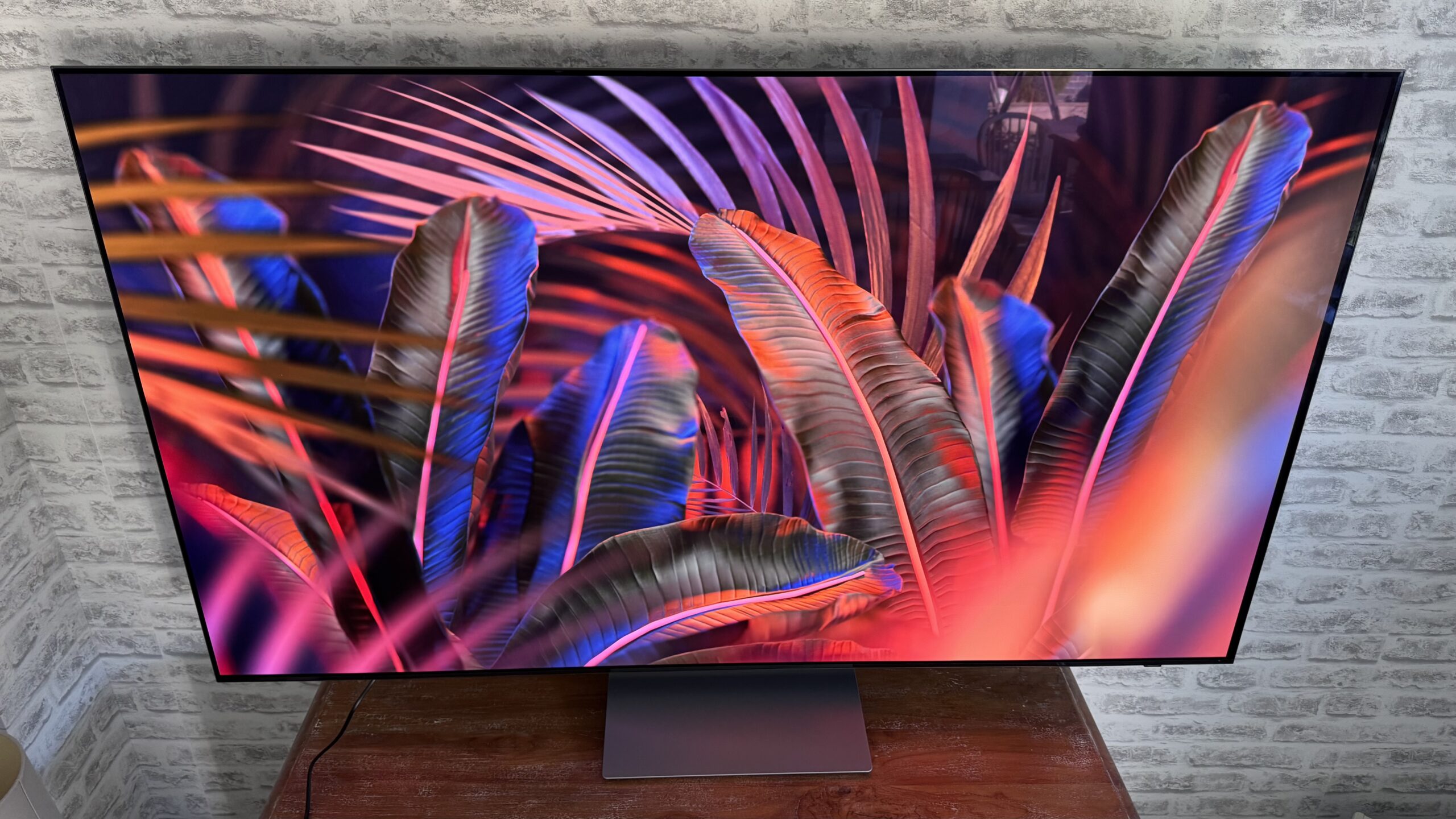

Screen Revolution or Incremental Step? Breaking Down Samsung’s Counter-Attack at CES 2026
Remember struggling to see your TV’s picture against intrusive afternoon sun glare? Samsung’s strategic CES 2026 showcase directly targeted this pain point and more, signaling a renewed offensive in the ultra-competitive TV arena. Fresh off a year crowned by critical acclaim for 2025 models, Samsung unveiled its latest lineup: OLED TVs elevating brightness and extending glare-free tech, Neo QLEDs breaking size barriers, and lifestyle-focused Frame TVs reimagining connectivity. This evolution blends ambitious hardware advancements with pervasive AI integration, aiming to solidify Samsung’s dominance across premium and mainstream segments. Whether these Samsung 2026 OLED TVs genuinely redefine expectations or simply refine existing winners remains a pivotal question for consumers facing a crowded market.
Dissecting the OLED Hierarchy: From Flagship Heights to Mainstream Appeal
Samsung strategically overhauled its OLED tiers, boosting power and accessibility while democratizing a coveted feature.
- The Peak Performers: The Samsung S95H inherits the flagship mantle from the award-winning S95F. Beyond expected upgrades like a claimed 35% peak brightness increase – boosting HDR impact significantly, especially in QD-OLED’s favored highlights – Samsung opted for fundamental design philosophy changes. The externally housed One Connect box is gone, replaced by integrated ports alongside an optional Wireless Zero Connect Box. This innovative twist allows simultaneous use of both, potentially enabling a staggering eight full-bandwidth HDMI 2.1 connections. This caters directly to intensifying home entertainment demands (multiple game consoles, soundbars, streaming boxes). Coupled with a premium metal frame and sleek wall mount, the S95H prioritizes both cutting-edge performance and adaptable elegance. Panel supply nuances remain; Samsung confirmed QD-OLED for most sizes but left questions unanswered about the 83-inch potentially using LG-sourced WOLED panels, reminiscent of 2025’s strategy.
- The Mid-Tier Breakout: Perhaps the most compelling story is the Samsung S90H. This model leaps forward with a 15% brightness increase over the S90F predecessor. Critically, it marks the introduction of Samsung’s Glare Free technology into the mid-range OLED segment. Rigorously tested by outlets like TechRadar in previous flagship iterations, this sophisticated matte coating disrupts ambient light scattering, nearly eliminating mirror-like reflections without substantially dulling image pop. Its efficacy transforms OLEDs from specialist darkened-room devices to viable options in bright living spaces – significantly broadening their appeal. For gamers, it’s potent: native 4K at 165Hz refresh rate, full Nvidia G-Sync/FreeSync support, Auto Low Latency Mode (ALLM), and HDR10+ gaming solidify its credentials against LG’s heralded C-Series.
- Expanding Footprint: The entry-level S85H answers a specific market call by introducing a new 48-inch size. This niche, popular for desktop setups or compact rooms, was previously dominated primarily by LG’s B-series OLED models. While detailed specs are sparse, this move signifies Samsung’s commitment to offering OLED across the breadth of consumer spaces previously served only by competitors. Samsung’s aggressive OLED expansion partially responds to LG’s historical dominance in OLED panel manufacturing and market share ([OLED Market Overview


