
Roblox’s Age Verification Rollout: Flawed Filters and Ghost Towns
Imagine logging into a virtual playground designed for kids, only to find the digital safeguards meant to protect them are mistakenly letting adults mingle with children – or conversely, locking teens out of their own peer groups. Worse, children themselves are effortlessly tricking the system into granting them access to adult spaces. This isn’t a dystopian scenario; it’s the rocky reality facing Roblox, the massively popular gaming platform, less than a week after mandating a new age verification system hailed as a critical shield against predators. Sparked by lawsuits, subpoenas, and alarming reports of grooming, this move was seen as essential for Roblox’s survival. But as Wired’s exposé reveals, the implementation is plagued by glaring flaws, misclassifying ages in both directions and igniting developer fury. The vital quest for safety is clashing messily with platform functionality.
Why Roblox Desperately Needed Age Gates
Roblox, boasting over 65 million daily users primarily under 16, faced intensifying scrutiny. Multiple lawsuits filed by states like Louisiana, Texas, and Kentucky alleged the platform was a hunting ground for predators exploiting its chat features to contact and groom children. Florida’s Attorney General escalated the pressure by issuing criminal subpoenas. Stories surfaced of adults posing as children to befriend young players, raising profound child safety concerns.
- The Stakes: For Roblox, this wasn’t just bad PR; it represented an existential threat. Failure to demonstrably protect minors risked regulatory crackdowns, devastating user exodus, and irreparable brand damage. The age verification mandate, primarily targeting chat functionality, became a non-negotiable response.
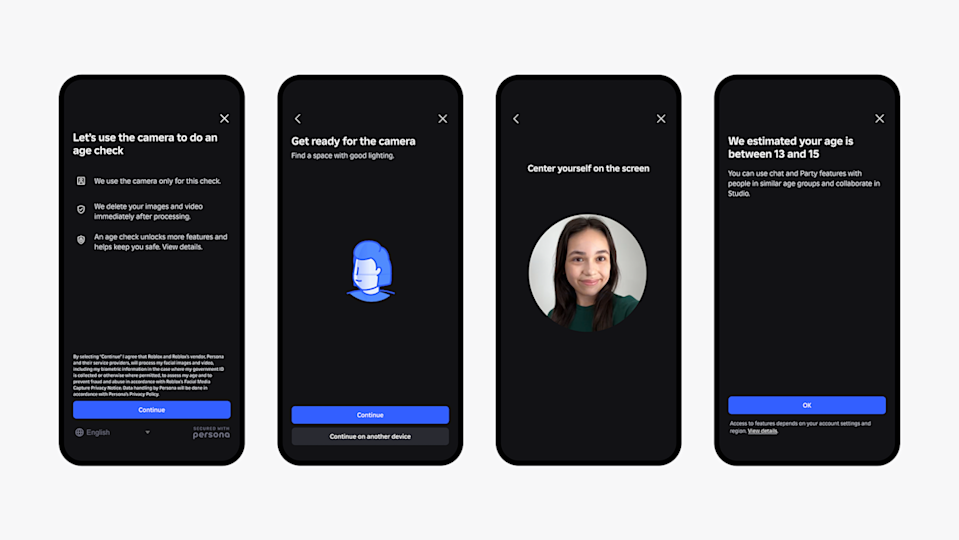
- The Promise: Roblox envisioned segmented communities. Once verified, users would only interact anonymously in chat with others clustered within specific age bands (e.g., 13-15, 16-17, 18+, 21+). Verification options included:
- A facial scan estimating age via selfie.
- Uploading an official government ID (optional for those 13+), providing more certainty.
The goal was noble: isolate potential predators by preventing adults from mingling unchecked with children.
The System Stumbles: Misclassification Chaos Emerges
Within days, reports flooded social media and forums revealing the system wasn’t just imperfect; it was frequently and absurdly wrong – in both directions.
-
Adults Mistaken for Minors: Verified accounts of adults being incorrectly categorized emerged.
- A verified 23-year-old reported being placed in the 16-17 bracket, expressing understandable discomfort: “I don’t want to be chatting with fucking children.”
- An 18-year-old found themselves lumped with the 13-15 age group, effectively cutting them off from peers.
- This algorithmic misjudgment trapped adults in spaces intended for significantly younger users, undermining the core concept of age-group segregation.
-
Children Gamed as Adults: Even more alarming were the numerous, easily reproducible demonstrations showing children could fool the system into classifying them as adults. Viral videos showcased simple tricks:
- One child drew artificial wrinkles and stubble on their face using a photo editor, submitting the altered image. Result: Instant classification as 21+.
- Another child submitted a photo of deceased musician Kurt Cobain. Result: Adult classification granted.
- These weren’t isolated “hacks” requiring deep technical knowledge; they were simple image manipulations proving the facial estimation technology was easily circumvented by its intended protectees.
-
Parental Oversight Backfires: Roblox itself acknowledged another critical flaw: some verified parents were submitting age verification on behalf of their children. This resulted in young children being categorized as 21+, placing them directly into adult spaces populated by strangers – the exact opposite of the intended safety outcome. Roblox stated it is “working on solutions to address” this self-inflicted vulnerability.
Age Verification Failure Modes: Early Evidence | Verification Method | Reported Issue | Example Result | Consequence |
| :———————- | :————————— | :——————————– | :——————————————— |
| Facial Scan (Selfie) | Adult Appearance Misread | 23yo flagged as 16-17 | Adult trapped in minor chat | | Facial Scan (Selfie) | Simple Spoofing by Minors | Kid w/drawn stubble flagged as 21+ | Minor granted adult chat access | | Parental ID Upload | Parent Submits for Child | Child placed in 21+ | Minor placed in unrestricted adult chat |
The ramifications of these failures are severe. They create dangerous false negatives (letting potential threats slip into kid spaces) and false positives (placing kids directly into adult zones or isolating teens from friends). Roblox’s admission that the feature “isn’t working as planned” felt like a significant understatement.
Developer Despair: Choked Interaction and Empty Worlds
While child safety is paramount, the rollout’s disruptive side effects have ignited a firestorm among Roblox’s crucial developer community. The platform thrives on user interaction, and chat is a fundamental vector for socialization and coordination within games.
- Impact on Gameplay: Developers flooded the official DevForum with thousands of negative comments, many demanding the update be reversed entirely. The primary complaint? Devastatingly reduced player interaction.
- Quantifying the Drop: One developer shared compelling internal data showing chat engagement metrics plummeted from roughly 90% of players actively using chat to a mere 36.5% following the mandatory verification rollout.
- **


