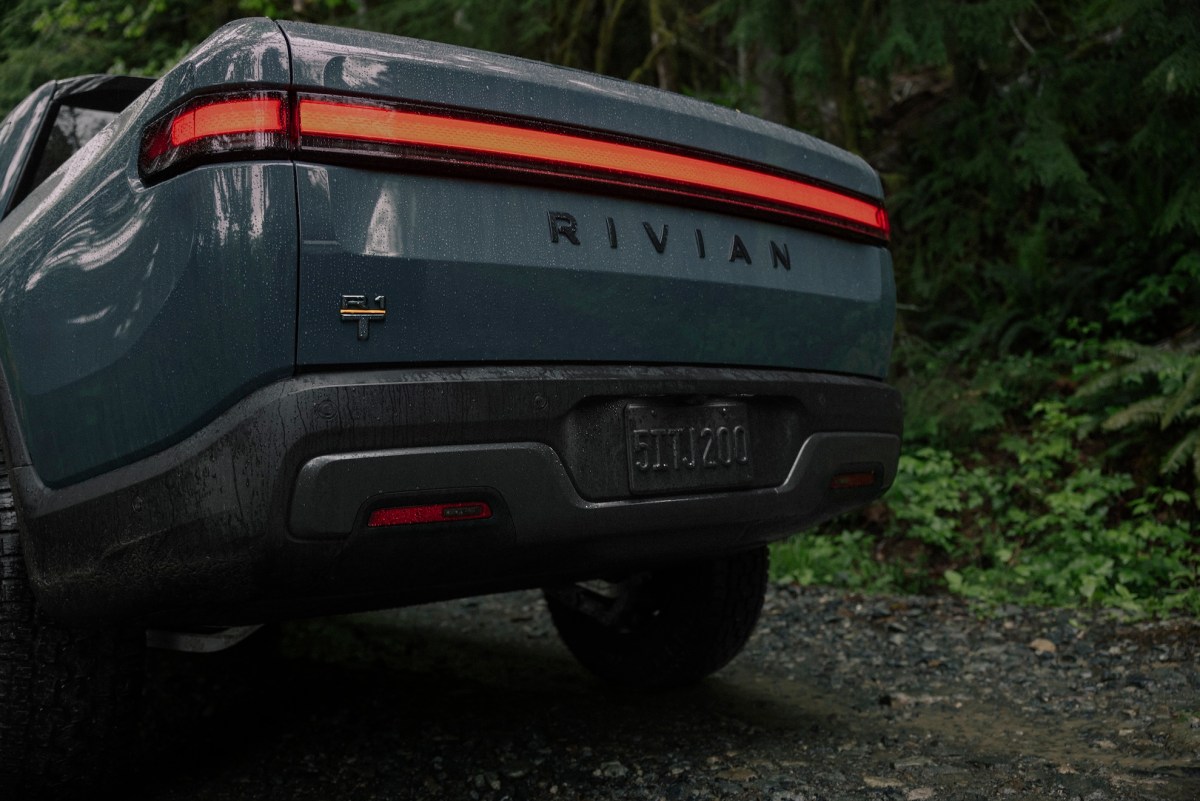

Ohio’s Car Dealership War: Why Rivian’s Legal Battle Could Transform Your Electric Vehicle Purchase Experience
Hook: Did you know that in Ohio, buying a Rivian electric pickup truck isn’t as simple as clicking a button? Unlike online shopping for virtually anything else, state law forces residents to jump through hoops, purchasing out-of-state and having the vehicle shipped in. This absurd inconvenience isn’t an accident—it’s the result of a powerful lobbying force shielding traditional car dealerships from competition. Rivian’s recent Rivian Ohio lawsuit, filed against the state’s Bureau of Motor Vehicles (BMV), is the latest explosive chapter in a nationwide fight pitting innovative EV manufacturers against entrenched franchise laws designed nearly a century ago.
Electric vehicle maker Rivian has launched a federal lawsuit challenging Ohio’s 2014 statute that directly prohibits it (and any manufacturer beyond Tesla) from selling vehicles straight to consumers within the state. Rivian argues this prohibition is “irrational in the extreme,” stifling competition, reducing consumer choice, inflating costs, and causing significant inconvenience, all without any countervailing benefit. With existing Rivian service centers in Cleveland, Columbus, and Cincinnati already providing maintenance, the inability to simply sell directly feels archaic and discriminatory. The outcome of this Ohio direct sales ban challenge could significantly reshape how Ohioans access EVs and test the limits of dealership monopoly power nationwide. (Keywords: Rivian Ohio lawsuit, Ohio direct sales ban, Rivian service centers)
H2: Inside Rivian’s Lawsuit: Challenging Ohio’s “Irrational” Ban
Rivian filed its complaint in federal court on Monday, targeting the Ohio BMV’s registrar. The core legal arguments are stark:
- Discrimination and Arbitrary Treatment: Rivian highlights the glaring inconsistency: Tesla secured a direct sales license in 2013. However, a 2014 law, heavily influenced (as Rivian claims) by the Ohio Automobile Dealers Association (OADA), explicitly carved out an exception only for Tesla. Rivian contends this selectively locks out new entrants like itself purely to protect existing dealer interests.
- Harm to Consumers: The lawsuit meticulously details the tangible burdens on Ohioans:
- Increased Cost: Buyers must pay extra for out-of-state registration, titling, and shipping logistics.
- Major Inconvenience: The multi-step process involves coordinating across state lines, often requiring significant travel to pickup points or complicated shipping arrangements.
- Reduced Choice and Competition: Limiting market players inherently reduces competitive pressure on prices and service quality. Rivian points out Ohioans are effectively denied access to an entire sales model proven popular elsewhere.
- Request for Relief: Rivian isn’t asking for special treatment; it wants the court to declare the restrictions unconstitutional (potentially violating the equal protection and commerce clauses) and grant it the ability to apply for a standard dealer license, the very access Tesla secured a decade ago.
H2: The Deep Roots of the Battle: Franchise Laws vs. the EV Revolution
Ohio’s prohibition isn’t unique; it’s part of a complex patchwork of state franchise laws dating back to the early 20th century. These laws were originally enacted for legitimate reasons, aiming to prevent powerful automakers from unfairly exploiting smaller, independent dealers. By mandating manufacturers sell through third-party dealerships, the laws intended to foster local businesses and consumer protection through competition between dealers selling the same brand. You can read more about the origins of these laws on Wikipedia.
The rise of direct-to-consumer EV manufacturers fundamentally challenges this model.
- New Brands, New Approach: Companies like Rivian, Lucid, and Polestar (following Tesla’s path) lack the century-old franchise networks legacy automakers rely on. Building such a network from scratch is prohibitively expensive and time-consuming.
- Consumer Experience Shift: EV startups emphasize brand immersion, seamless online purchasing, fixed pricing (no haggling), and deep product expertise. They argue franchise dealers, wedded to the traditional ICE (Internal Combustion Engine) model and reliant on service revenue from oil changes and transmissions, are often poorly incentivized or equipped to prioritize EV sales and education.
- Dealership Pushback: The dealership lobby, embodied by powerful associations like OADA and the National Automobile Dealers Association (NADA), fiercely defends franchise laws. They argue:
- Franchise dealers provide critical price competition and local consumer service/support.
- Local dealerships are significant employers and taxpayers in their communities.
- The franchise system provides consumer protections through established service networks.
- EV Counterpoint: Direct-sales advocates argue dealership lobbying is primarily about protecting an entrenched middleman. Studies, like one published in the Journal of Law & Economics [See reference example regarding potential cost impacts], suggest franchise laws can inflate vehicle costs. EV makers insist their service centers provide equivalent or better localized support while offering inherent cost and convenience benefits through direct sales.
The Result: A tangled legal map across the US. As of 2023:
- Pro-Direct Sales: Roughly 25 states + DC allow EV manufacturers some form of direct sales (Rivian operates in these).
- Firmly Against: States like Texas decisively prohibit direct sales for most manufacturers (Tesla operates via legal loopholes like selling from galleries, not “dealerships”).
- Muddled Middle: Many states have complex, specific rules limiting the number of stores, requiring physical presence restrictions, or existing only via legislative battles (e.g., Rivian in Illinois).
Table: The US Patchwork of Direct Sales Laws (Simplified)
| Status | Key Characteristics | Example States | Impact on EV Makers |
|---|---|---|---|
| Direct Sales Allowed | Explicit legal path for manufacturers to sell directly. | California, Arizona, Colorado, Washington, Massachusetts | Rivian, Tesla, Lucid operate retail stores. |
| Restricted or Limited | Limited number of licenses, specific operational constraints. | New York, Illinois (after lawsuits) | May require legal battles; capped store count. |
| Effectively Blocked | Strong franchise laws barring manufacturer-owned dealerships. | Texas, Michigan, Ohio (targeted) | Must use complex out-of-state sales/service setup. |
H2: Legal Precedents: Wins, Losses, and the Shadow of Tesla in Ohio
Rivian’s lawsuit doesn’t occur in a vacuum. It draws on precedents and ongoing battles:
- Rivian’s Illinois Victory (2021): Rivian, alongside Lucid, secured direct-sales licenses in Illinois. When the Illinois Automobile Dealers Association sued to block them, they ultimately failed. This win showed courts can reject dealer associations’ arguments against new EV entrants, emphasizing consumer choice and market evolution. Rivian explicitly invokes this victory in its Ohio complaint.
- The Tesla Precedent in Ohio (2013): Rivian’s strongest argument is sheer inconsistency. Tesla gained direct sales rights in 2013. Rivian argues Ohio’s subsequent 2014 law, locking out everyone else, is blatantly protectionist and discriminatory, violating principles of fair play and equal protection under the law. “If Tesla can, why can’t we, on the same terms?” is the core message.
- Lucid’s Texas Fight (2022-Present): Lucid Motors sued Texas over its direct sales ban in 2022. In a setback earlier this year, the court ruled against Lucid. However, Lucid has appealed the decision. This high-profile case exemplifies the ongoing, state-by-state nature of the conflict. A reversal on appeal could bolster Rivian’s position nationally, while an affirmed loss would strengthen the dealer lobby’s hand elsewhere.
The Ohio OADA Factor: Rivian directly pins the 2014 law restricting future manufacturers on “an intense lobbying effort by the Ohio Automobile Dealers Association.” This highlights the significant political power wielded by dealership groups at state legislatures, a recurring obstacle for new automakers.
H2: Why Ohio Consumers Lose in the Current Model
The lawsuit isn’t just about corporate ambition; Rivian meticulously details the negative impact on ordinary Ohioans:
- The Hassle Tax: Buying a Rivian currently requires:
- Purchasing from a dealer in a state where direct sales are allowed (e.g., Michigan or Illinois).
- Handling out-of-state registration paperwork and fees.
- Arranging and paying for shipping to a Rivian Ohio Service Center (adding $1,000-$2000+ and days/weeks of delay).
- Navigating titling and Ohio registration post-delivery.
- Delayed & Fragmented Innovation: Ohio consumers have delayed access to the latest EV technologies and models compared to residents of states with direct sales, hindering broader EV adoption goals.
- Reduced Pressure on Competitors: By limiting legitimate competitors like Rivian, the ban reduces market pressure on traditional automakers and franchise dealers to improve pricing, service quality, and the overall EV purchasing experience specifically within Ohio. A study by the Center for Automotive Research (CAR) often highlights the dynamism and consumer benefits fostered by competition in the automotive sector, a benefit Ohio restricts.
H2: The National Implications: A Watershed Moment?
Rivian’s Ohio lawsuit is more than a local dispute; it’s a strategic move with national ramifications.
- Testing Legal Theories: The arguments around the “Tesla carve-out” could set powerful precedent. If a federal court rules Ohio’s law unconstitutional based on this discriminatory treatment, it would create a compelling blueprint for challenging similar laws in other “Tesla-Only” states.
- Accelerating State-Level Reform: A Rivian win could embolden legislators and governors in other restrictive states to reconsider their franchise laws proactively, seeing the inevitable legal and market pressure mounting.
- Shifting the Lobbying Balance: While the dealership lobby remains immensely powerful (NADA spent over $3.2 million on federal lobbying in Q1 2024 alone according to OpenSecrets), sustained legal losses and growing consumer demand for direct EV purchasing could slowly erode their influence.
- The Future of Auto Retailing: This battle is fundamentally about how cars will be sold in the 21st century. While franchised dealerships won’t vanish overnight, the pressure from EV disruptors is forcing a long-overdue evolution towards models that better serve modern consumer expectations for convenience, transparency, and choice.
H3: What Comes Next for Rivian in Ohio?
The legal process will be measured in months, possibly years. Rivian filed in federal court, aiming for a relatively swift declaratory judgment. The Ohio BMV and likely the OADA (intervening in the case) will vigorously defend the existing law. Crucial next steps involve:
- State Response: Ohio must formally respond to the complaint, arguing the constitutionality and rationale for the law.
- Possible Discovery: Gathering evidence related to the lobbying history behind the 2014 law and its impact.
- Motions for Summary Judgment: Both sides may file motions asking the judge to rule quickly based on the legal arguments without a full trial.
- Potential Trial: If summary judgment is denied, the case could proceed to trial.
The court’s ruling, whatever it may be, will almost certainly be appealed, potentially reaching higher federal courts with broader implications. Rivian’s track record in Illinois suggests a focused legal strategy, leveraging Tesla’s pre-existing access as the central, glaring inconsistency Ohio must contend with.
Conclusion: The Wheels of Justice (and Change) Turn Slowly
Rivian’s lawsuit against Ohio is a crucial assault on an automotive retail model frozen in time. It lays bare the real-world consequences of archaic dealership protectionism: added costs, unnecessary hassle, and limited choice for consumers simply trying to buy the latest electric vehicles. The arguments go deep, questioning the fairness of a system that privileges one manufacturer (Tesla) while locking out others via powerful political lobbying. Rivian has won similar battles before (Illinois), and the glaring “Tesla exception” creates a powerful legal vulnerability in Ohio’s position. While the outcome remains uncertain and faces strong opposition, this lawsuit is a pivotal event in the ongoing transformation of car buying. The path Rivian is forging could ultimately dismantle barriers, fostering greater competition, innovation, and consumer-freedom nationwide. Ohioans deserve the right to buy a Rivian truck as easily as they buy a Tesla or order a laptop online. Will common sense and consumer choice prevail? What do you think about the battle between EV makers and dealership laws? Should states be forced to allow direct sales? Share your thoughts in the comments below!
Sources & Further Reading:
Original article at techcrunch.com


