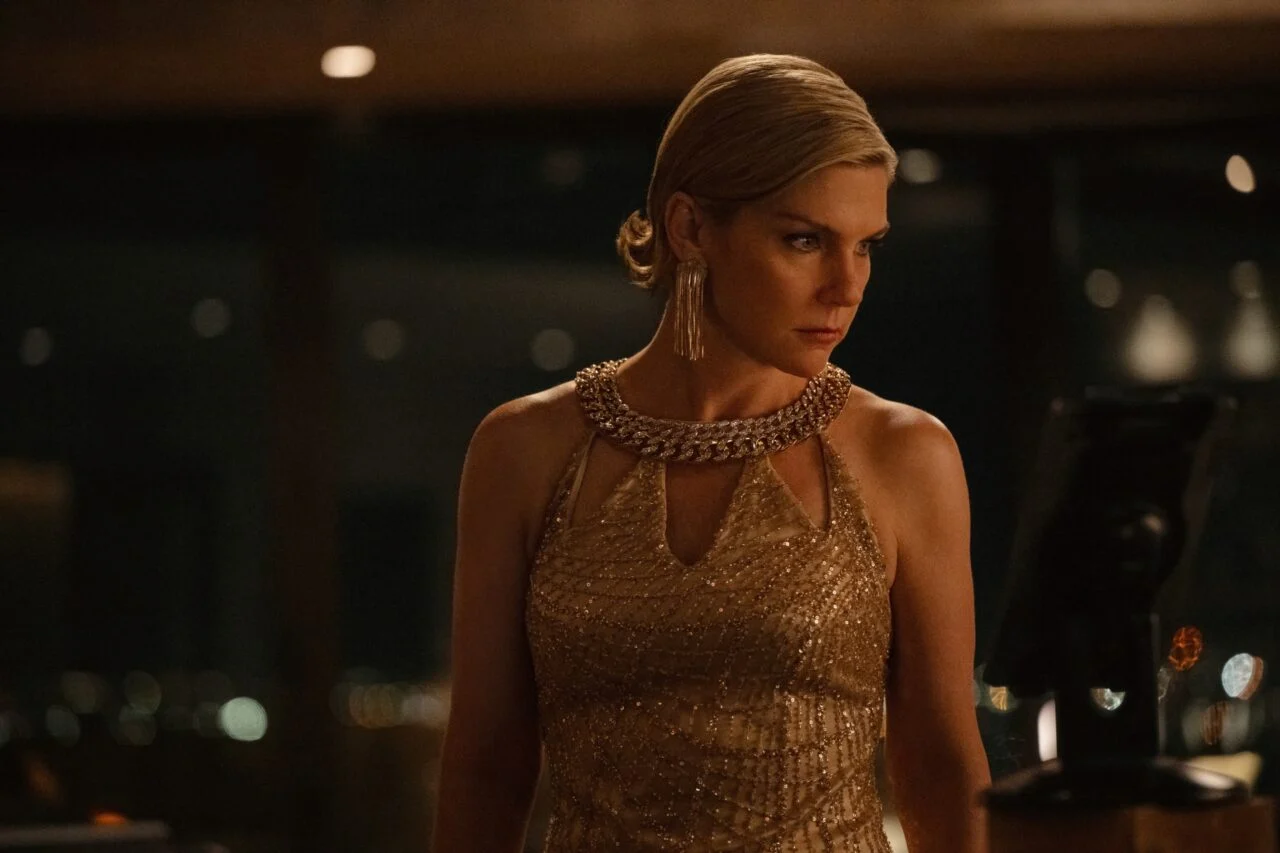

From Tube Socks to Stardust: Rhea Seehorn’s Magical Origin Story
Have you ever wondered where your favorite actors got their start? Beyond the polished resumes and award ceremonies, there’s often a quirky, almost forgotten chapter buried deep in an IMDB listing. For Rhea Seehorn, currently captivating audiences as romantasy author Carol Sturka in Apple TV+’s “Pluribus,” that chapter involves tube socks, electrical tape, and a cult classic video game from the dawn of digital collectible card gaming. Long before Kim Wexler commanded our screens in “Better Call Saul,” Rhea Seehorn‘s first professional acting credit transported players into the fantastical world of Dominaria as the charming “tutorial sorceress” in the 1997 Magic: The Gathering PC game. This delightful piece of forgotten nerd lore resurfaced brilliantly on NPR’s “Wait Wait… Don’t Tell Me!”, revealing not just a humble beginning, but a moment of genuine, relatable starry-eyed enthusiasm that perfectly complements her current role. It highlights how seemingly insignificant early gigs weave into an actor’s tapestry and how niche media fragments can endure, resurfacing decades later to enchant a whole new audience.
The Digital Crucible: Magic: The Gathering Conquers PCs in 1997
To understand the significance of Seehorn’s role, we need to journey back to the mid-90s gaming landscape. Magic: The Gathering had exploded onto tabletop scenes since 1993, revolutionizing collectible card games (CCGs). Translating its intricate rules and rich universe to the nascent PC gaming world was a major ambition. MicroProse, known for simulations like Civilization and X-COM, took on the challenge. Released in 1997, the eponymous Magic: The Gathering PC game (often referred to as “Shandalar” after its central location) wasn’t just a digital card battler – it offered a pioneering adventure mode. Players explored a fantasy world map, encountered foes, and collected cards through gameplay, blending RPG elements with the core CCG experience. This innovation aimed to attract players intimidated by the base game’s complexity or yearning for a solo narrative experience. For many, including dedicated Magic players and newcomers alike, this PC adaptation was their primary gateway into Magic’s vast multiverse before platforms like Magic: Online or Arena existed.
Why the Tutorial was Revolutionary:
- Lowering the Barrier: Magic’s rule system, involving mana tapping, phases (untap, upkeep, draw, main, combat, end), and intricate card interactions, was notoriously complex for newcomers. The tutorial wasn’t a luxury; it was essential onboarding.
- Making it Engaging: Unlike dry rulebooks, an interactive tutorial using characters could explain concepts naturally through gameplay scenarios. The sorceress served as a friendly guide.
- Establishing Tone: The game sought to capture the fantasy feel of Magic beyond just mechanics. Characters like the tutorial sorceress brought a touch of narrative flair and personality to the digital adaptation.
Rhea Seehorn: Embodying the Enchanting Mentor
Enter a young Rhea Seehorn. As revealed on “Wait Wait,” her very first IMDB credit is simply listed as “Tutorial Sorceress” in MicroProse’s Magic: The Gathering. Seehorn recounts the role as a formative, amusingly practical experience. Alongside an actor named Reggie (playing a Sorcerer), she was tasked with guiding players through the game’s basics via video segments integrated into the tutorial.
- Character Purpose: The Tutorial Sorceress wasn’t just a talking head. She was the player’s first interactive companion within the game world. Players learned vital mechanics:
- How to cast spells.
- How to attack creatures.
- How to navigate combat phases.
- Channeling Guidance: Seehorn’s job was to convey complex rules in a clear, engaging, and supportive manner – an early indicator of the captivating screen presence and intelligence she’d later become famous for.
- The Low-Budget Magic: Seehorn’s charming anecdote highlights the scrappy reality:
- “They didn’t have shoes, but they wanted us to look like we were wearing gladiator sorcerer boots… So we’re just wearing tube socks with electrical tape in a criss-cross fashion.” Talk about practical effects! Imagine maintaining mystical gravitas while hoping the tape holds.
Tutorial Sorceress Impact Factors
| Factor | Significance |
| :— | :— |
| First Impression | For Shandalar players, she was the welcoming face of Magic’s digital world. |
| Rule Clarification | Vital for transitioning tabletop players to the interface and teaching new players core concepts effectively. |
| Immersion | Added personality and a faint narrative layer crucial for the adventure mode. |
The Real-World Quest for Recognition
The story doesn’t end with the recording booth. Seehorn shared a heartwarming post-job moment bursting with youthful excitement. Upon discovering her photo graced the back of the game’s retail box at Best Buy, she ventured to the store, proudly announced “This is me!”, and asked for a complimentary copy – a luxury she couldn’t afford at the time. While Best Buy didn’t yield a freebie (a sticky-note for store policy!), this anecdote humanizes the actor profoundly. It underscores the humble beginnings even major stars often have and the genuine thrill of seeing your work materialized commercially for the first time. This was before her significant roles on “Better Call Saul”, “Whitney”, or “Pluribus”, purely the joy of a fledgling actress marking her first tangible on-screen contribution.
Why IMDB Trivia Turns into Cultural Gold: The Resurfacing Phenomenon
Seehorn’s Magic role wasn’t widely known outside dedicated Magic gaming forums until recently. Its rediscovery illustrates key dynamics in celebrity culture and internet-driven nostalgia:
- The Treasure Hunt Effect: Fans love unearthing obscure credits. Platforms like IMDB become archaeological sites where newcomers dig, often motivated by heightened interest from a star’s current fame (“Who is Seehorn? What else was she in?”).
- Niche Nostalgia Converging: Many “Better Call Saul” fans appreciate nuanced, character-driven storytelling. Magic: The Gathering appeals to strategic, fantasy-loving audiences. The overlap of these niches (Seehorn + Magic) creates fertile ground for viral rediscovery within specific, passionate communities.
- Podcast Amplification: NPR’s “Wait Wait… Don’t Tell Me!” leverages humor and curiosity about news/pop culture. Highlighting this quirky credit gave it immense mainstream-adjacent reach far beyond Magic or TV fan circles. As host Peter Saget quipped about “aging nerds” recognizing her on Pluribus – it validated the shared experience of niche fandoms intersecting.
- Digital Permanence: Unlike fleeting TV spots, archived footage, box art, and persistent game ROMs/abandonware mean Seehorn’s sorceress lives on. Dedicated fans continue to discover her role decades later (Wikipedia details the game’s legacy within the franchise).
Pluribus: The Perfect Meta-Echo
The timing and context of this rediscovery are deliciously meta. Seehorn currently stars in “Pluribus” as Carol Sturka, a successful romance author navigating writer’s block and relationship turmoil. Crucially, Sturka writes intricate “romantasy” novels – blending romance tropes with fantasy elements like magic systems, mythical creatures, and sprawling secondary worlds.
- Parallels: It’s impossible not to draw a line between Sturka weaving fantastical tales and Seehorn’s own physical embodiment of fantasy archetypes as the Tutorial Sorceress. Life reflects art in a wonderfully circular way. Both characters exist to guide others (Sturka readers via fantasy escapism, Seehorn’s sorceress via gameplay mechanics).
- Fan Delight: Audiences thrilled by Seehorn’s grounded performance in “Pluribus” can now enjoy the irony and charm of her fantastical digital debut. It adds a delightful layer of depth to her persona.
The Enduring Spark: Low-Fi Origins & Lasting Legacies
Rhea Seehorn’s journey from the tube-socked Tutorial Sorceress to Emmy-nominated dramatic powerhouse reveals much about the winding, often unpredictable paths acting careers take. It underscores:
- The Value of Every Role: One never knows which gig might be the stepping stone… or resurface decades later to charm a global audience unexpectedly.
- The Passion Behind the Scenes: That trip to Best Buy, fueled by pure exhilaration at seeing her own face on a game box, reminds us of the dreams driving artists long before fame arrives.
- Persistent Subcultural Artifacts: Video games, especially cult classics from the early digital era, become unique time capsules. Performances within them, however small, gain cultural value as part of broader entertainment history documented extensively on platforms like Magic’s Official Game History Archive.
- Rediscovery Drivers: Curiosity thrives where niche interests overlap. A podcast question ignited renewed interest in a forgotten footnote connecting prestigious TV actors, gaming pioneers, and fantasy lovers.
So next time you fire up an old game rerun or delve into an actor’s IMDB, keep digging. Hidden gems like Rhea Seehorn’s electrical-tape-sandaled sorceress aren’t just trivia; they’re tangible links to bygone creative eras and reminders that even the most acclaimed stars started somewhere magical, messy, and utterly human. What other surprising early-career secrets do *your


