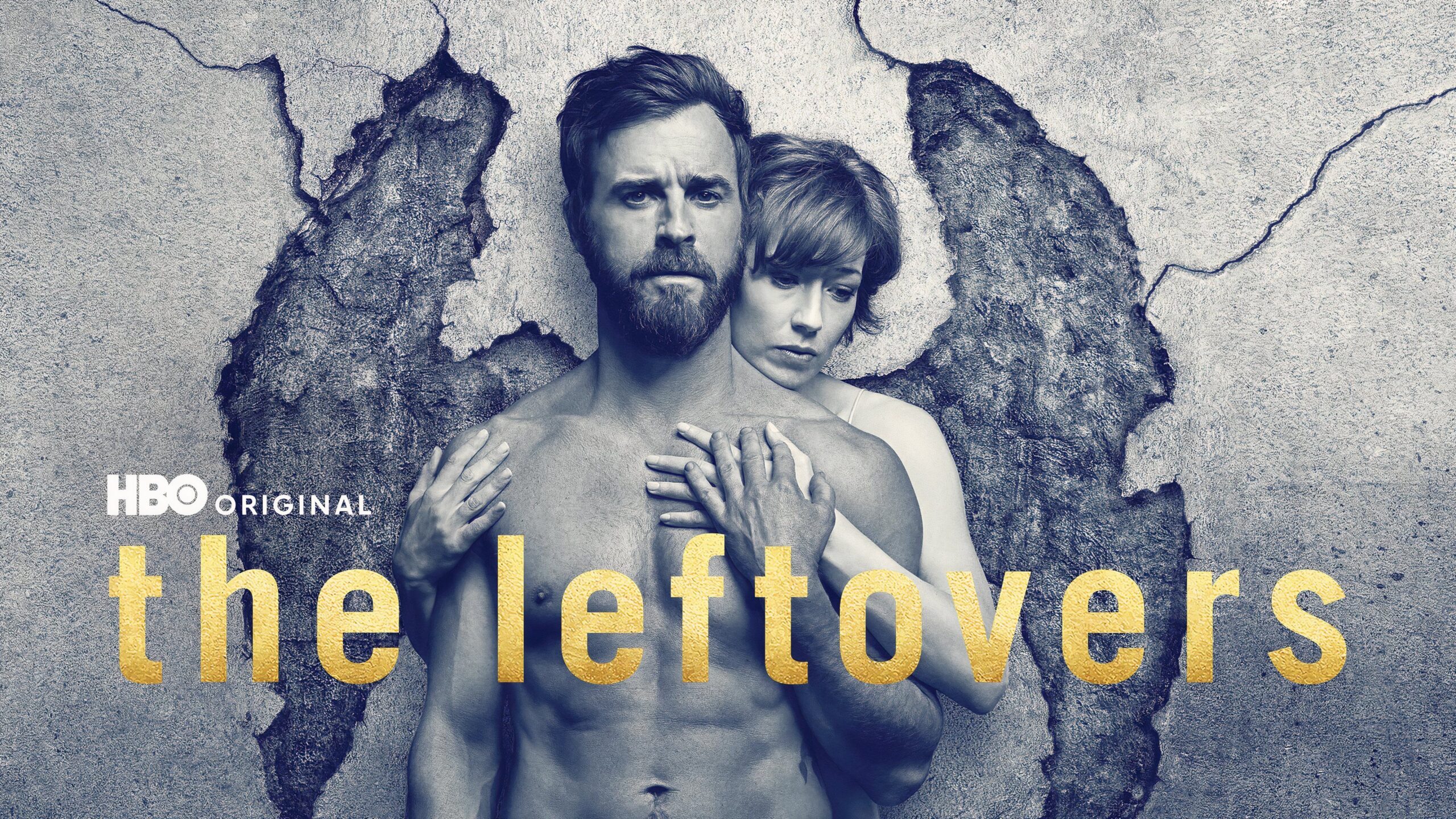

Finding Hope in the Ashes: Why “The Leftovers” Triumphs as Uplifting Television
Can a television series centered on the inexplicable vanishing of 140 million people – roughly the population of Russia – possibly leave viewers feeling uplifted? At first glance, The Leftovers, HBO’s critically acclaimed drama (2014-2017), seems like an unrelenting plunge into despair. Based on Tom Perrotta’s novel, it explores the harrowing aftermath of the “Sudden Departure,” where 2% of Earth’s population vanishes instantaneously. The premise screams cosmic horror and existential dread – the kind of weight that made this author actively avoid the show for nearly a decade. Yet, against these bleak odds, The Leftovers achieves something remarkable: it transcends its grim foundation to emerge as a profoundly hopeful, even cathartic, meditation on human resilience, connection, and finding meaning when none seems possible. My journey from skeptic to devoted fan reveals how this complex masterpiece defies expectations. [Wikipedia: The Leftovers]
Why the Initial “Yuck Factor” Was So Strong: Barriers to Entry
My aversion to The Leftovers for years wasn’t born of ignorance but from a potent gut reaction – a “yuck factor.” As a habitual TV consumer, I employ an admittedly unscientific method: if a trailer’s premise or casting instantly repels, I skip it. The Leftovers hit multiple avoidance triggers:
- The Trauma of the Premise (Especially as a Parent): The original trailer featured a mother smiling at her baby in a car seat, only for the infant to instantly vanish. As a father of a young child at the time, this visceral depiction of unimaginable, unexplainable loss wasn’t intriguing; it was deeply disturbing and off-putting. The subsequent focus on profound, unyielding grief felt emotionally exhausting.
- Cast Perceptions & Unknowns: Initial familiarity with the leads worked against it. Justin Theroux was primarily known as “Jennifer Aniston’s husband” – not a compelling draw for a heavy drama. While Liv Tyler was recognizable from Lord of the Rings, her marquee power wasn’t sufficient alone. Ann Dowd was years away from her Emmy-winning, universally acclaimed role as Aunt Lydia in The Handmaid’s Tale. The casting didn’t signal “must-watch.”
- The Relentless Gloom in Marketing: Promotional material relentlessly emphasized sadness, confusion, and societal breakdown. Where was the hook beyond widespread suffering?
- Early Critical Ambivalence: Mixed reviews at launch reinforced hesitation. With so much content vying for attention, lukewarm reception provided an easy excuse to pass. [Compilation of Early Reviews – Metacritic]
This confluence created an imposing barrier. Despite loving shows dealing with mystery and disappearance (Lost, The OA, Severance), The Leftovers seemed engineered purely for depressing the viewer.
What Finally Convinced Me to Take the Plunge: Catalysts for Change
My resistance eventually crumbled due to a perfect storm of factors:
- Ann Dowd’s Ascendance: Her searing, Emmy-winning performance in The Handmaid’s Tale showcased her phenomenal ability to portray devastating, complex humanity. Learning she was a key figure in The Leftovers suddenly made the cast intriguing.
- Reassessing Justin Theroux: Watching and appreciating him in the modern adaptation of The Mosquito Coast demonstrated significant acting range and screen presence previously overlooked.
- Persistent, Contradictory Word-of-Mouth: Multiple trusted friends pushed past my “yuck factor,” insisting that beneath the sorrow, the show was incredibly moving, thoughtful, and ultimately uplifting. “It’s not about the disappearance; it’s about what people do after that can’t be explained,” became the recurring refrain.
- The Need for Something Substantive: Craving programming with genuine emotional and intellectual depth provided the final nudge.
Even the first episode tested my resolve; the initial traumatic imagery resurfaced. But persistence paid off. By episodes 3 and 4, a transformative realization dawned: this wasn’t the nihilistic dirge I expected. It was something wholly unique, layered, and strangely beautiful.
The Alchemy of Comfort: How “The Leftovers” Transforms Despair
So, how does a show rooted in collective catastrophe become uplifting? The Leftovers masterfully builds an intricate tapestry of elements that move far beyond initial grief:
-
Depth Beyond “Loss” as Monumental Character Study: The beating heart of the show lies in its meticulously crafted characters grappling with meaning. They aren’t archetypes but deeply flawed, often infuriating, yet profoundly relatable individuals. Preacher Matt Jamison (Christopher Eccleston)’s crisis of faith, Nora Durst (Carrie Coon)’s journey from catastrophic loss to a search for truth, and even Kevin Garvey Sr.’s (Scott Glenn) apparent madness are portrayed with empathy and understanding. Their struggles are universal – scaled to an apocalyptic event. Witnessing their flawed attempts to survive, connect, and find anything resembling peace resonates deeply. Coon, in particular, delivers a shattering yet powerfully dignified performance that anchors the series’ emotional core. [Carrie Coon’s Breakout Performance – The Guardian]
-
Treating Ambiguity as Power, Not Failure: Showrunner Damon Lindelof notoriously left major questions unanswered in Lost. In The Leftovers, he doubled down, making ambiguity a core thematic device and narrative strength. The why of the Departure is intentionally never resolved. This isn’t a cop-out; it’s central to the show’s message. Life offers few definitive answers, especially concerning loss and trauma. The show forces characters (and viewers) to confront how we live and find grace despite the unexplained. Iconic scenes, like the shared silent meal at season’s end, emphasize that meaning is forged in human connection, not cosmic explanations. This acceptance becomes profoundly freeing and, unexpectedly, hopeful. [Lindelof on Ambiguity – Vanity Fair]
-
Symbolism Weaving Hope into Despair: Recurring motifs create rich layers of meaning:
- Water: Represents both chaos (floods) and cleansing/purification (baptisms, Kevin’s recurring drowning motif). It signifies the potential for emotional rebirth. [Analysis of Water Motif – Collider]
- Doves: Symbols of peace and the Holy Spirit, often appearing in moments suggesting transcendence or the presence of something beyond the tangible.
- Silence & Music: Max Richter’s transcendent score moves from minimalist dread to soaring beauty. Silence itself becomes a powerful tool for conveying connection and understanding when words fail.
-
Masterful Narrative Structure (Character-Centric Episodes): Adopting a technique honed on Lost, The Leftovers frequently dedicates entire episodes to single characters. This deep dive, like Season 2’s brilliant “International Assassin,” allows unparalleled exploration of internal landscapes, motivations, and past traumas. It humanizes even unsympathetic figures (the Garvey Sr. episode!), fostering empathy and revealing shared humanity beneath surface flaws. While potentially jarring for weekly viewers (akin to the experience of Severance fans), this approach is deeply rewarding for character understanding.
-
Surrealism & Atmosphere as Cathartic Tools: The show brilliantly blends the mundane with jarringly surreal elements (barren international hotels, inexplicable deer encounters, prophetic karaoke). This atmosphere creates a sustained unease reflecting the characters’ shattered reality. Yet, precisely because it embraces this strange, dreamlike quality, the moments of genuine, raw human connection – a hug, a smile, shared cigarettes – feel exponentially more powerful and precious.
Weekly Anguish vs. Binge Comfort: The Viewing Context
My experience watching The Leftovers years after its original airing highlights a modern viewing dichotomy:
- The Weekly Broadcast Experience: Historically, the show garnered a small but fiercely dedicated audience (approximately 0.8 million viewers by Season 3 [Variety Rating Report]). Episodes were dissected in real-time forums like The Fandomentals. The week-long wait between complex, often disorienting character studies (like “Lens”) could create immense discussion and anticipation, building a powerful communal experience. That slow burn heightened tension but risked frustration from unresolved threads.
- The Bingeing Revelation: Consuming the series consecutively allowed the narrative scope and character development to unfold powerfully without interruption. The intricate symbolism, thematic arcs, and character transformations became more immediately apparent. I could immerse myself completely in the unique atmosphere and appreciate the deliberate pacing without legacy frustration. Knowing the entire story existed lessened anxiety about unresolved mysteries, allowing focus on the core human journeys.
| Original Weekly Viewing (2014-2017) | Bingeing Experience (Post-Broadcast) |
|---|---|
| Pros: Community speculation, heightened weekly suspense, savoring each episode. | Pros: Seamless immersion, immediate payoff, better grasp of intricate story/theme connections. |
| Cons: Frustrative pauses in complex arcs, anxiety over unresolved mysteries, smaller audience impact. | Cons: Less communal discussion during viewing, potential for emotional overload in dense episodes. |
Despite regretting missing the original cultural moment and weekly anticipation, the binge format ultimately aligned perfectly with my discovery, allowing sustained engagement with the show’s rich depth without fatigue. The proliferation of online analyses and deep dives on platforms like YouTube enriched the experience post-viewing in a way unavailable during the initial run.
Conclusion: A Late Discovery, A Lasting Resonance
My decade-long journey with The Leftovers—from active avoidance to profound admiration—underscores its deceptive nature. Yes, it begins with an unimaginable global trauma. Yes, it deals intimately with grief, rage, and meaninglessness. But through stellar performances (especially Carrie Coon’s career-defining turn), audacious narrative techniques, rich symbolism, and a world-class score, it transforms its bleak premise into an ultimately cathartic exploration of human resilience. By forcing characters and viewers alike to grapple with unanswerable questions and find solace in connection rather than closure, it achieves a rare feat: genuine emotional uplift forged in the crucible of devastation. The lingering questions aren’t a flaw; they echo life’s own mysteries. The Leftovers is a demanding, often emotionally taxing experience, but it rewards investment with unparalleled depth, surprising grace, and a lingering sense that even in the face of utter loss, finding ways to continue—however imperfectly—is a quiet, powerful kind of hope. All 28 episodes are available to stream on Max. What hidden truths or moments of unexpected hope resonated most strongly with you? Share your journey in the comments below.
Sources & Further Reading:
Original article at www.makeuseof.com


