
Russia’s Space Program: Adopting a New Strategy to Stay Aloft
Is Russia’s space program on the brink of collapse? While the United States and China are pushing the boundaries of space exploration, Russia’s once-dominant position in the cosmos is facing significant challenges. Beset by shrinking budgets, international sanctions, and a reliance on aging technology, Roscosmos, the Russian space agency, is looking for innovative ways to stay relevant. Their latest strategy? Advertising in space, officially sanctioned by President Putin. This article will delve into the reasons behind this move, its potential implications, and whether it can truly revive Russia’s struggling space ambitions.
The Decline of Roscosmos: A Perfect Storm
For decades, Russia (and previously the Soviet Union) stood as a titan in the realm of space exploration. From launching the first satellite, Sputnik, to sending the first human, Yuri Gagarin, into orbit, Russia’s achievements were undeniable. However, the current state of the Russian space program tells a different story. Several factors have contributed to its decline, creating a perfect storm of challenges.
Diminishing Launch Cadence
One of the most telling indicators of Russia’s struggles is its decreasing launch cadence. While companies like SpaceX are pushing launch frequency to new heights, Russia is facing a slowdown. This decline is not merely a matter of prestige; it directly impacts their ability to conduct research, maintain their presence in the International Space Station (ISS), and pursue ambitious new projects. Why is Russia lagging behind?
- Aging Technology: The Soyuz spacecraft, a cornerstone of the Russian space program, has been in service for nearly 60 years. While reliable, it is technologically outdated compared to newer systems being developed by other nations. A replacement is desperately needed, but progress has been slow.
- Budget Constraints: Russia’s economic challenges have led to cuts in the space program’s budget, limiting its ability to invest in new technologies and infrastructure.
- Brain Drain: Many skilled engineers and scientists have left Russia in search of better opportunities, further weakening the program’s capabilities.
Impact of International Sanctions on Russian Space Activities
The invasion of Ukraine in February 2022 triggered a wave of international sanctions that severely impacted Russia’s access to global markets and partnerships. These sanctions have had a direct and significant impact on the Russian space program.
- Severed Partnerships: Key collaborations with European space agencies were terminated, hindering joint research and development efforts. For example, the ExoMars mission, a joint project to search for life on Mars, was suspended due to the conflict.
- Restricted Access to Technology: Sanctions have limited Russia’s ability to import advanced technologies and components needed for its space program.
- Financial Constraints: Sanctions have further strained Russia’s already limited financial resources, making it even more difficult to fund space projects.
This confluence of factors has led to a situation where Russia’s civilian space program is struggling to compete with the growing ambitions of the United States, China, and private companies like SpaceX. The once-dominant launch cadence has dwindled, and the program’s focus seems to be shifting towards military applications, such as anti-satellite weapons.
Advertising in Space: A Novel Solution?
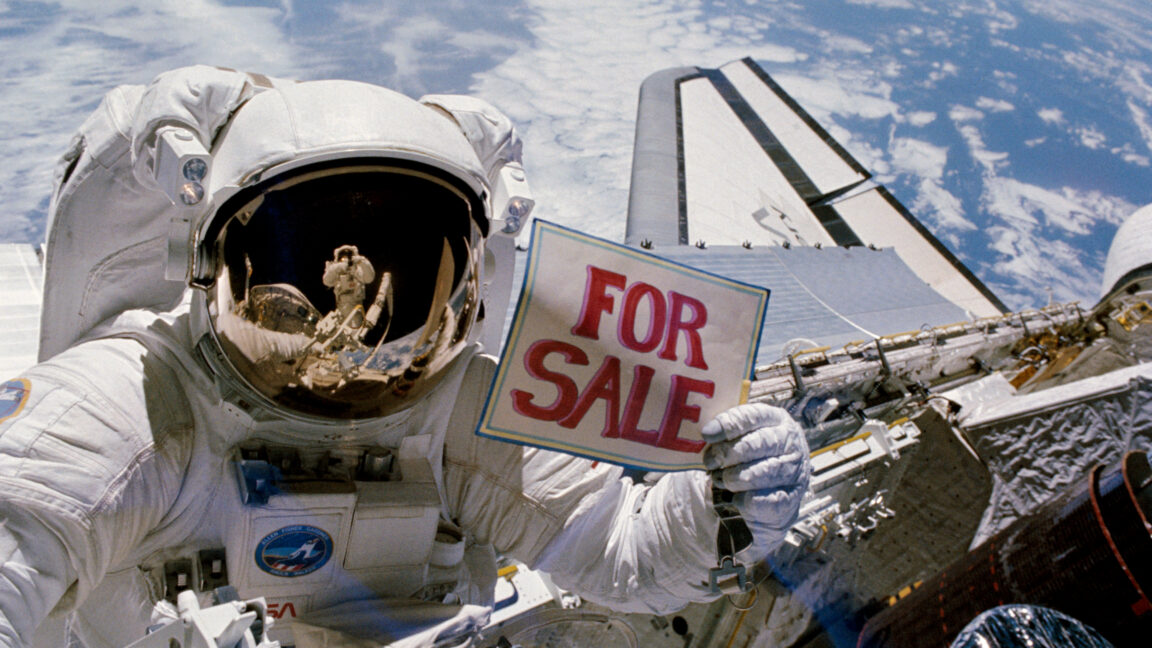
Faced with these challenges, Roscosmos is turning to a somewhat unconventional solution: advertising on spacecraft. President Putin has approved amendments to federal laws that will allow Roscosmos to place advertisements on both state-owned and corporately-owned space objects, effective January 1, 2026.
The Rationale Behind Space Advertising
The primary motivation behind this move is to attract private investment and reduce the financial burden on the state budget. Roscosmos hopes that by selling advertising space on its rockets and spacecraft, it can generate revenue to fund its activities and offset the impact of budget cuts and international sanctions. Roscosmos believes that advertising revenue can offer alternative funding pathways
- Diversifying Revenue Streams: Moving away from complete reliance on state funding.
- Attracting Private Investment: Encouraging both domestic and international investment in Russian space exploration.
Potential Benefits and Drawbacks
While the idea of advertising in space might seem novel and potentially lucrative, it also comes with several potential drawbacks.
Potential Benefits:
- Increased Revenue: Advertising could generate significant revenue for Roscosmos, helping to fund its programs and reduce its reliance on the state budget.
- Enhanced Brand Awareness: Companies that advertise in space could gain significant publicity and enhance their brand awareness.
- Economic Growth: The space advertising industry could create new jobs and stimulate economic growth in Russia.
Potential Drawbacks:
- Ethical Concerns: Some may view advertising in space as a form of commercialization that could detract from the scientific and exploratory nature of space activities.
- Safety Concerns: There are concerns that advertising symbols could potentially affect spacecraft safety, although the law requires that all advertising must meet safety standards.
- Limited Advertiser Pool: Due to international sanctions, the pool of potential advertisers will likely be limited to Russian companies and its allies, which could limit the revenue-generating potential of this strategy.
- Public Perception: The idea of advertising in space might not be well-received by the public, who may view it as a trivialization of space exploration.
How Will Space Advertising Work?
While details are still emerging, the plan appears to involve placing logos, stickers, and potentially even painting advertisements on the exterior of rockets and spacecraft. The Russian government will establish a fee structure for advertising on federally-owned space objects. It is likely that these ads will resemble those previously applied, such as logos celebrating anniversaries and supplier logos.
The law stipulates that the advertising cannot compromise the safety of the spacecraft, suggesting that all materials and application methods will need to undergo rigorous testing and approval.
Can Advertising Revive Russia’s Space Ambitions?
The question remains: can advertising truly revive Russia’s struggling space ambitions? The answer is likely complex and depends on several factors.
- Success Depends on Implementation: The success of this strategy will depend on how effectively Roscosmos implements it. They will need to attract a sufficient number of advertisers, ensure the safety and legality of all advertising materials, and manage public perception.
- Limited Scope: Advertising revenue alone is unlikely to solve all of the challenges facing the Russian space program. It is a supplementary measure that needs to be combined with other reforms and investments.
- Geopolitical Landscape: The current geopolitical landscape will undoubtedly play a role. The effectiveness of this strategy is heavily reliant on Russia’s relations with allies.
- Innovation and Investment: Long-term success requires a commitment to innovation, modernization, and strategic investments in new technologies.
Conclusion: A Starry-Eyed Gamble
The decision to allow advertising in space is a bold move by Roscosmos, reflecting the urgent need to find new sources of funding and remain competitive in the global space arena. While the potential benefits are clear, including increased revenue and enhanced brand awareness, there are also significant challenges and potential drawbacks. It’s uncertain if it will truly revitalize Russia’s space program or if it will simply become a footnote in its history.
Ultimately, the future of Russia’s space program will depend on its ability to adapt, innovate, and secure the necessary resources to pursue its ambitions. Advertising in space is just one piece of the puzzle, and its success will depend on a combination of strategic planning, effective execution, and favorable geopolitical circumstances.
What do you think about Roscosmos’s plan to advertise in space? Will it work, or is it a sign of deeper problems? Comment below!
Sources & Further Reading:
Original article at arstechnica.com


