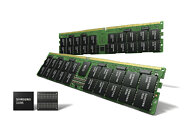

The Hidden Battlefield: How Tech Giants Are Cornering the DRAM Market Amid Shortages
Is the playing field for tech innovation becoming tilted by emergency DRAM rationing? Imagine eagerly awaiting the next revolutionary laptop or affordable smartphone, only to find launch dates pushed indefinitely or prices skyrocketing. This isn’t haphazard; it’s the calculated fallout of a worsening memory crisis forcing DRAM suppliers into impossible choices. We’ve witnessed telltale signs – PC builders asking customers to supply their own RAM amid scarcity, whispers of game console delays. Now, a pivotal report from supply chain analysts DigiTimes reveals a stark new reality: DRAM giants Samsung and SK Hynix are explicitly prioritizing behemoths like Apple, Dell, ASUS, and Lenovo. This strategic DRAM allocation leaves smaller innovators scrambling, potentially disrupting consumer choice and technological progress. Understanding this dynamic hierarchy isn’t just industry gossip; it’s crucial for grasping future gadget availability, pricing, and whether niche players fostering repair or sustainability can survive.
Why Memory Suddenly Feels Like Gold Dust
DRAM (Dynamic Random-Access Memory) is more than just chips; it’s the active workspace for every computing device. From smartphones handling complex apps to laptops juggling multitasking and servers powering the cloud, sufficient DRAM capacity is non-negotiable for performance. The current DRAM shortage stems from a potent brew:
- Skyrocketing Demand: The pandemic-fueled surge in remote work/learning devices continues, alongside relentless growth in cloud computing, AI/ML applications needing vast memory pools, and the rollout of next-generation standards like DDR5 requiring new fabrication investments.
- Shaky Supply: Fabricating DRAM involves highly complex, multi-billion dollar semiconductor plants (fabs). Expanding capacity takes years and massive capital. Geopolitical tensions, trade restrictions, and lingering pandemic impacts on logistics and components (like substrates) constrain supply chain fluidity. Manufacturers previously cautious about oversupply didn’t expand fast enough.
- Technological Transition Costs: Shifting to denser nodes like DDR5 requires significant retooling and learning curves, temporarily reducing yields and overall output efficiency compared to mature DDR4 lines.
Mapping the Allocation Hierarchy
DigiTimes’ sourcing clearly indicates DRAM suppliers are no longer able (or willing) to meet existing commitments universally. Facing finite wafer production capacity, Samsung and SK Hynix (who collectively dominate over 70% of the global DRAM market share [Source: Statistica]) are implementing a tiered prioritization system:
- Top Tier Privilege: The report explicitly names Apple, ASUS, Dell, and Lenovo as beneficiaries of preferential treatment. This prioritization translates into reliable access to necessary DRAM volumes.
- Motivation Isn’t Altruism: Awards like Apple’s iPhone Pro or Dell’s premium XPS lines command high prices and enormous sales volumes. Securing constant supply guarantees these giants maintain production schedules and avoid catastrophic launch delays. The sheer volume of DRAM they purchase annually makes them indispensable clients for suppliers. Locking them in stabilizes the suppliers’ own revenue streams.
- The Squeezed Middle & Bottom: This explicit favouritism inevitably means less DRAM leftovers trickle down. Smaller Original Design Manufacturers (ODMs), regional brands lacking global scale, and especially innovative newcomers advocating for modularity and repairability (explicitly mentioning Framework) face severe allocation challenges. They simply lack the purchasing power and strategic importance to compete.
Impact Comparison of Allocation Strategy
| Company Type | DRAM Allocation Status | Primary Risk | Strategic Options |
|---|---|---|---|
| Tech Giants (Apple, Dell, Lenovo) | Priority Access | Limited – primarily price increases absorbed | Strategic Long-Term Agreements |
| Large ODMs/Major Laptop Brands | Negotiated/Minimal Guarantees | Potential delays, reduced specifications, price hikes | Increased component flexibility, stockpiling |
| Small/Niche Vendors (Framework) | Severely Limited/Unreliable | Existential supply shortages, production stoppages | Alternative suppliers, BYO-RAM models, advocacy |
Evolving Agreements: The Rules Are Changing Daily
DigiTimes notes a crucial strategic shift beyond simple allocation: DRAM makers are fundamentally altering supply agreements. Gone are the days of rigid, longer-term contracts offering predictable pricing and volumes. The approach now is fluidity:
- Dynamic Re-assessment: Suppliers are actively monitoring market conditions – competitor moves, inventory levels across the chain, spot market prices – much more frequently. Quarterly negotiations are potentially shifting towards near-continuous reassessment.
- Exploiting Scarcity: This constant evaluation empowers DRAM suppliers to adjust terms aggressively. Expectations include:
- Price Adjustments Upwards: Leveraging desperate demand to push prices higher, especially for less-favored clients.
- Volume Fluctuations: Reducing allocated volumes to lower-priority buyers to fulfill top-tier commitments, sometimes with little notice.
- Stricter Terms: Requiring larger minimum commitments or faster payment schedules to secure any supply.
- Origin of this Leverage: Suppliers learned hard lessons from past boom-bust cycles. The prolonged shortage allows them to dictate terms to maximize profitability per wafer, reversing a history of brutal price wars hurting margins.
The Collateral Damage Beyond Component Shelves
The DRAM deficit’s influence radiates far beyond who gets chips:
- Product Compromises Galore: As hinted in prior reports, vendors lacking guaranteed DRAM face stark choices:
- Higher Launch Prices: Passing on inflated DRAM costs directly to consumers.
- Spec Downgrades: Offering products with less RAM than desired (e.g., 8GB base instead of 16GB), slowing adoption of DDR5, or compromising on speed/latency specs.
- Delayed Releases: Pushing product launches back months until adequate DRAM supply is secured – impacting seasonal sales cycles and competitive positioning.
- Consumer Choice Constriction: Market diversity suffers. If niche players like Framework, fighting planned obsolescence with upgradable laptops, cannot reliably source DRAM, their offerings fade away. Consumers lose innovative form factors, repair-friendly designs, and potentially lower-cost options.
- Console Tears & PC Builder Blues: Rumored delays for next-generation gaming consoles largely hinge on securing adequate high-speed GDDR6(X) memory – a derivative of DRAM technology. The custom PC channel, already strained, sees “Bring-Your-Own-RAM” becoming a painful necessity rather than a novelty as builders try to manage volatile memory costs externally.
- Broader Electronics Suffering: The pain extends to enterprise servers, networking gear requiring buffered memory, industrial automation controllers, and even premium smart TVs – anything needing performant DRAM experiences allocation pressure amid corporate giants prioritizing.
Survival Tactics in a Memory-Scarce World
How are companies outside the privileged circle coping? Strategies are emerging:
- Diversification Dreams: Exploring alternative sources like Micron or smaller Chinese DRAM makers (YMTC) – though they face scaling/tech hurdles and geopolitical risks limiting reliability.
- Advanced Stockpiling: Aggressive inventory buildup before shortages worsen – a costly tactic requiring significant cash reserves smaller players often lack.
- Design Disruption: Rethinking product designs faster – leveraging technologies like memory compression, potentially increased reliance on SSDs for caching, or accepting slower DRAM types to broaden sourcing options.
- The BYO-RAM Lifeline: Frameworks’s pioneering approach integrates seamlessly into DIY ‘framework’ laptops becomes an emergency lifeline, shifting sourcing responsibility (and cost volatility) to the end-user. Others might need to follow suit.
- Advocacy & Policy Pressure: Smaller innovative firms potentially lobbying governments or industry groups highlighting how supply consolidation stifles competition and sustainable tech adoption.
The ongoing DRAM shortage exposes the vulnerabilities within intricate electronics supply chains. While tech titans wield immense influence to shield their production lines through preferential allocation, this survival strategy comes at a cost. Smaller innovators face existential threats, product diversity dwindles, and consumers ultimately bear the burden through higher prices, compromised specs, and fewer choices. This crisis extends far beyond component shortages; it shapes the pace of technology adoption, market competitiveness, and fundamentally determines what devices you can buy next – and from whom. While suppliers navigate scarcity to maximize profits and major OEMs secure their pipelines, the collateral damage to innovation and affordability remains profound. Does prioritizing giants today sow the seeds for a less dynamic, less consumer-friendly tech landscape tomorrow? Share your thoughts below on who bears responsibility for navigating this complex DRAM dilemma.


