
The Fall Tech Avalanche: Can Flagships Keep Up With Familiar Flaws?
Ever wonder why premium tech often feels like a game of two steps forward, one step back? As Apple and Google prepare their seasonal deluge of devices, Engadget’s reviews team dissected seven key releases battling for your wallet—revealing an unsettling truth: Even top-tier gadgets struggle with baffling compromises. From laptops with identity crises to soundbars stuck in 2010, we explore whether innovation is being sacrificed for incremental upgrades. In this deep dive into latest tech reviews, we unpack standout devices like Dell’s rebranded powerhouse and Sony’s audio marvel—and why frustrating flaws might make you reconsider hitting “buy now.”
Premium Laptops: Sleek Designs, Stubborn Trade-Offs
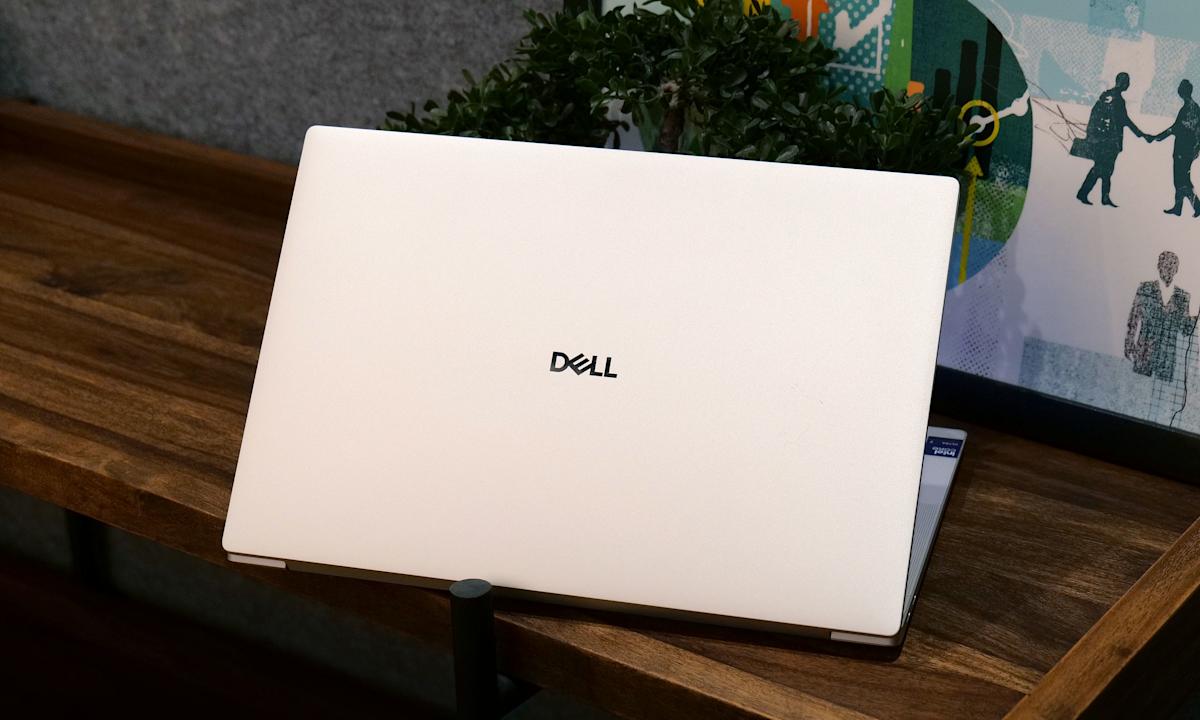
Dell 14 Premium: An Identity Crisis That (Mostly) Delivers
Despite its clunky rebrand from “XPS 14,” Dell’s flagship Windows laptop remains a benchmark. Senior reviewer Sam Rutherford confirms its core strengths: aerospace-grade aluminum build, a near-borderless OLED display (2,880 x 1,800, 120Hz), and a touchpad rivaling MacBooks. Performance impresses too, handling creative workloads with Intel Ultra 7 chips and ARC graphics.
Yet perplexing compromises linger:
- Capacitive Touch Buttons: Replacing physical function keys divides users; accidental brushes disrupt workflows.
- Outdated GPU Option: The RTX 3050 upgrade feels cynical when RTX 4050 is standard elsewhere.
- $1,500 Entry Point: Undercuts rivals like the M3 MacBook Pro (base $1,599) but struggles to justify it with last-gen parts.
Verdict: A stellar Windows machine hamstrung by branding confusion and Dell’s cautious spec bumps.
Lenovo ThinkPad X9-14 Aura Edition: Beauty Without Brawn
Lenovo targets the X1 Carbon’s throne with this ultralight (2.2 lbs) business laptop. Its OLED screen dazzles (100% DCI-P3), speakers pump lush audio, and battery life hits 14 hours. But contributor Rami Tabari flags critical flaws:
- Mushy Keyboard: Unforgivable for a ThinkPad, historically revered for tactile keys (Keyboard History, Wikipedia).
- Connectivity Gaps: No USB-A port forces dongle dependency in office environments.
- Pricing Pitfall: $1,283 for mid-tier specs (Intel Core Ultra 5, 16GB RAM) is steep next to ASUS’s $899 ExpertBook P5.
Business Buyer Tip: Wait for holiday discounts or consider enterprise-focused alternatives.
| Laptop Comparison | Dell 14 Premium | Lenovo ThinkPad X9-14 |
|---|---|---|
| Starting Price | $1,500 | $1,090 |
| Display | 14″ OLED (Option) | 14″ OLED Standard |
| Key Strength | Build Quality & Touchpad | Battery Life |
| Key Flaw | Divisive Touch Buttons | Poor Keyboard Experience |
| Best For | Creatives/Developers | Mobile Professionals |
Desktops & Audio: Innovation Meets Irritation
Framework Desktop (2025): Modular Maverick Stumbles
Framework built its reputation on repairable laptops, but its desktop debut puzzles. Borrowing the Ryzen 7 8700G “Hawk Point” APU, this 1.1L powerhouse fits Mini-ITX cases and idles at 20W. Setup is plug-and-play—yet senior editor Daniel Cooper notes a philosophical backstep:
- Soldered Secrets: RAM and APU are irreplaceable, betraying Framework’s core mission.
- Limited Upgradability: Only storage/Optane modules are user-swappable.
- Competition Crushes Value: At $1,099, HP’s $799 Z2 Mini offers similar specs and serviceability.
The Irony: A “side project” excused by an exotic chip becomes proof that desktops need modularity to compete.
Sony Bravia Theater Bar 6: Audiophile Joy, Smart Features MIA
Sony’s 3.1.2-channel marvel delivers rich Dolby Atmos via up-firing drivers and a dedicated tweeter-midrange center. Dialogue cuts through cleanly, and bass avoids boominess despite its chunky subwoofer. But the omission of Wi-Fi feels criminal:
- Wireless Stone Age: No AirPlay, Spotify Connect, or Chromecast forces Bluetooth reliance, degrading quality.
- Update Hell: Firmware patches require manual USB uploads—unheard of since 2015 (Soundbar Tech Evolution).
- $650 Sting: Samsung’s Q800C ($699) includes Wi-Fi, Alexa, and room calibration.
Takeaway: World-class acoustics can’t justify 2010-era usability flaws.
Software & Security: Incremental Leaps, Limited Impact
watchOS 26 Preview: Polished Fitness, Puny Revolutions
Amy Skorheim’s hands-on reveals subtle refinements over radical change. Highlights include:
- AI Fitness Coach: Real-time form feedback during squats or yoga poses.
- Precision Gestures: Nod/sway commands reduce screen-tapping during runs.
- Mental Sync: Stress alerts now integrate with iOS 19’s mindfulness modules.
Reality Check: Most features feel like catch-ups to Garmin’s ecosystem, while battery life remains capped at 18 hours.
Norton VPN Review: Security Minnow in a Shark Tank
Senior writer Sam Chapman tested this standalone VPN against giants like ExpressVPN and Surfshark. Results:
- Speeds: 85 Mbps (vs. ExpressVPN’s 210+ Mbps).
- Privacy: Audited no-logs policy, but restricted to 36 countries (Surfshark: 100+).
- Value: $60/year trails Surfshark’s $42 with identical encryption.
Blunt Truth: Norton leverages brand trust but lags in speed, server range, and cost efficiency.
Conclusion: The Compromise Conundrum
This pre-fall tech wave showcases engineering brilliance consistently undermined by baffling cutbacks. Dell laptops crush benchmarks but fumble branding, Framework champions repairability then solders core parts, and Sony’s soundbar ignores wireless essentials. Even software updates—like watchOS 26’s clever gestures—prioritize polish over breakthroughs. With flagship prices climbing, consumers face a tough calculus: accept frustrating flaws or wait for true generational leaps. Perhaps the most resonant insight comes from Norton’s VPN review—a metaphor for the entire landscape: Familiar names promise much but deliver middle-of-the-pack performance. As autumn’s blockbusters loom, ask yourself: Is “good enough” worth premium dollars? What tech flaws infuriate you most? Share your dealbreakers below!
Word Count: 1,120
Sources & Further Reading:
Original article at www.engadget.com


