
The Price of Play: Why Your PlayStation 5 Just Got More Expensive
Hook: Is the modern gaming dream slipping further out of reach? Just months after rival Xbox hiked its prices, Sony has announced a PlayStation 5 price increase for the US market. Starting Thursday, all PS5 models will jump by approximately $50, pushing the flagship PS5 Pro to a daunting $749.99. This decision, driven by persistent economic pressures and global trade tensions, arrives amidst a fragile recovery for the video game industry and the critical delay of blockbuster titles like “GTA VI.” Understanding this price hike requires digging into tariffs, market strategy, and a crucial inflection point for consumer tech affordability.
1. The Hike in Detail: Breaking Down Sony’s US Price Adjustment
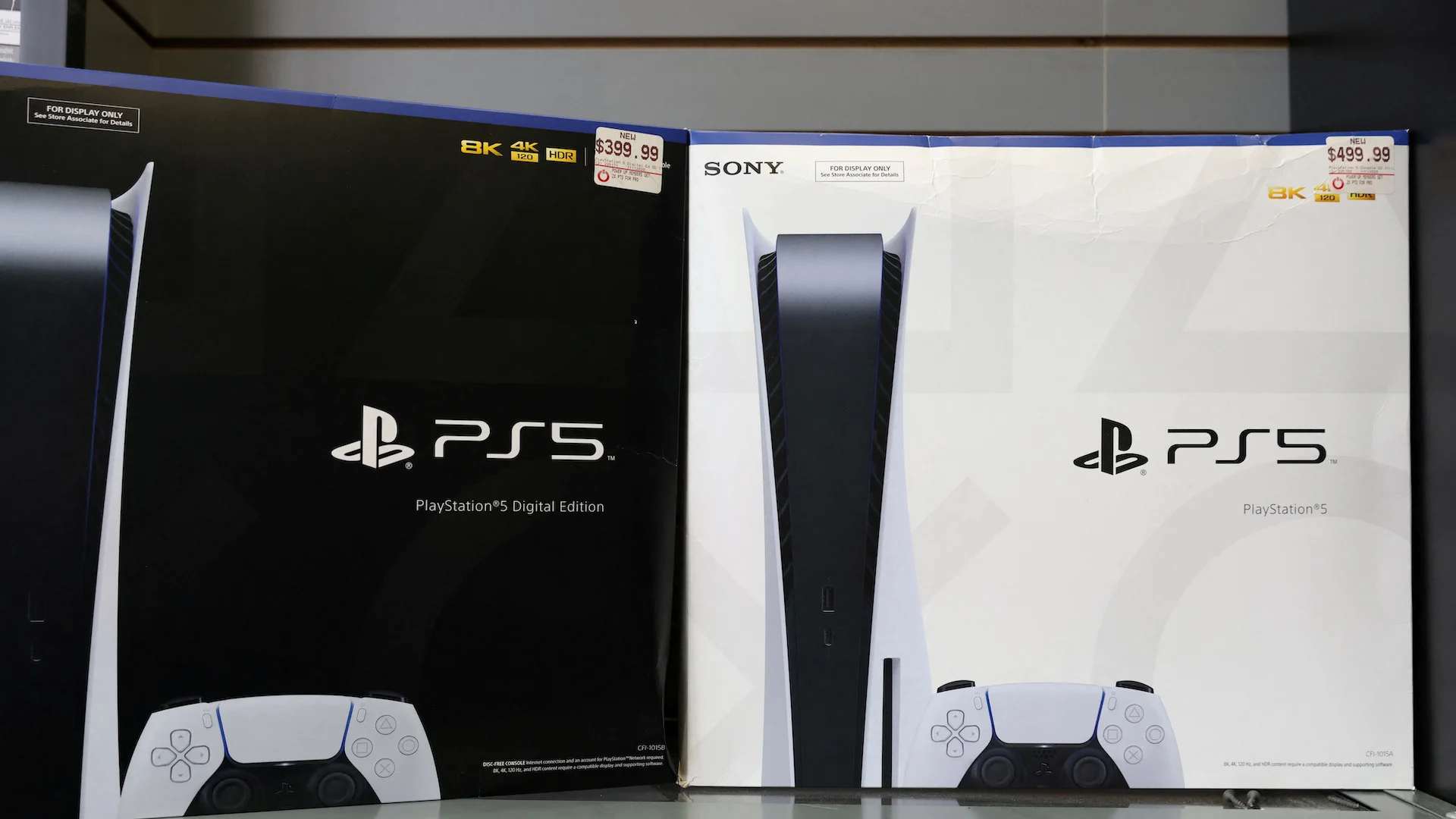
Sony confirmed via its official PlayStation Blog that all current PlayStation 5 variants sold in the US will see a $50 increase. Here’s the new breakdown:
- PlayStation 5 Digital Edition: Increases from $449.99 to $499.99
- PlayStation 5 Standard Edition (Disc Drive): Increases from $499.99 to $549.99
- PlayStation 5 Pro: Increases from $699.99 to $749.99 (upon its upcoming launch)
This Sony price adjustment mirrors similar tactics used globally. Earlier in April 2024, Sony raised PS5 prices in several European markets by €50-€75 due to economic headwinds. It positions the Pro model firmly as a premium luxury option in the console landscape. Consumers now face a stark choice: a disc-less console at $500 or a top-tier machine costing within striking distance of higher-end PCs. Crucially, Sony confirmed no price changes for non-US markets or PlayStation 5 accessories like controllers and headsets, highlighting the strategic targeting of this move.
2. Tariff Tensions: The Political Catalyst for the Price Surge
The timing and location of this PS5 US price hike are hardly coincidental. Sony explicitly cited “cost fluctuations globally” and “high inflation impacting consumers” in its announcement. However, the immediate shadow looming over this decision stems from the Trump-era tariffs on Chinese imports – many of which remain in place and continue to impact supply chains and manufacturing costs (USTR Section 301 Actions).
These tariffs, targeting goods from manufacturing hubs like China (where PS5 components are assembled), were initially announced in 2018-2019 and imposed significant charges, sometimes up to 25%, on a wide range of electronics (Wikipedia – China-United States Trade War). While the Biden administration reviewed them, many remain.
For Sony, this translates to:
- Increased costs for parts/shipping: Components sourced from tariff-affected regions become more expensive.
- Supply chain uncertainty: Navigating complex international logistics becomes costlier and riskier.
- Pressure on margins: Absorbing these costs becomes unsustainable long-term, especially as console manufacturing costs rarely follow traditional hardware cost-reduction curves in the short-to-medium term.
The US tariff environment is the key differentiator explaining why this price hike targets the US specifically, unlike other key markets.
3. Xbox’s Parallel Move: An Industry Trend Emerges
Sony isn’t operating in a vacuum. Its direct competitor, Microsoft’s Xbox, executed a significant console pricing strategy shift across multiple regions just a month later in May 2024. It increased the price of its Xbox Series X to $599.99 (up from $499.99 in select markets like Europe) and the Series S also saw hikes. This move across the US, UK, EU, and Australia signaled that gaming industry pricing pressures are pervasive. It sets a precedent: major console manufacturers can – and will – raise prices post-launch to maintain profitability. This industry-wide shift normalizes higher baseline prices, fundamentally changing consumer expectations established over prior console cycles where price cuts were the norm. Prices typically fell after launch; they didn’t rise. Several factors contribute to this shared pain:
- Component Costs: Persistent inflation affecting semiconductors, plastics, and metals.
- Logistics: Post-pandemic supply chain instability lingers.
- Economic Pressures: Higher operating costs globally.
- Tariffs: Specific regional pressures like US import duties.
Timeline: Recent Game Console Price Hikes
| Date | Company | Region(s) | Product | Change | New Price (Example) |
| :——– | :——– | :——————– | :———— | :————– | :—————— |
| April 2024 | Sony | Select European Markets | PS5 (All) | +€50 to +€75 | PS5 Disc ~ €599.99 |
| May 2024 | Microsoft | UK, EU, US, Australia | Xbox Series X/S | +$50 to +£50/+€50 | Xbox Series X – £479.99 |
| July 2024 | Sony | United States | PS5 (All, incl. Pro) | +$50 | PS5 Pro – $749.99 |
4. Market Headwinds: Growth Hopes Clash with Economic Realities
The price hikes arrive during a critical juncture for the industry. Analysts initially predicted that video game market growth in 2024 would be fueled by consoles and two titanic releases:
- Grand Theft Auto VI: The most anticipated release in generations (expected Fall 2025 launch).
- Nintendo Switch 2: As the aging Switch’s successor.
Consoles were pegged as the major driver. Delayed GTA VI shatters this timeline. The shift pushes the promise of massive software-driven hardware sales into 2025. Simultaneously, PS5 and Xbox price hikes create a significant barrier to console adoption. Consumers, facing their own cost-of-living challenges and already wary after pandemic-era supply shortages ($60 games transitioning to $70 standard), now encounter higher hardware buy-in costs. This casts serious doubt on the speed and scale of the console market’s recovery. Data from market research firms like Ampere Analysis points to slowing console sales growth globally after the initial PS5/Xbox Series launch surge and pandemic boom days.
5. The PS5 Pro Positioning: Premium Price for a Premium Promise
The price increase for the PS5 Pro is particularly striking. At $749.99, it positions itself firmly as a “premium enthusiast” machine, transcending traditional console boundaries. This strategy aims to:
- Extract maximum value from dedicated players who demand cutting-edge tech (e.g., enhanced ray tracing, better reconstruction techniques).
- Offset the disproportionately higher costs of advanced components like faster memory and custom silicon required for marginal but significant performance gains.
- Carve out a niche directly competing with entry-level gaming PCs in price and performance, offering a simpler, Sony-curated experience.
While possibly exciting for tech enthusiasts, this PS5 Pro cost risks alienating casual gamers or those with tighter budgets.
6. Consumer Cost Concerns: What Does this Mean for Gamers?
The immediate impact is simple: gaming just got more expensive. For a family buying a disc PS5 today ($549.99) plus a single $70 game and extra controller ($69.99), the total jumps close to $700 before taxes. This PlayStation affordability squeeze might lead to:
- Delayed purchases: Consumers waiting for heavy discounts or bundles.
- Buyer hesitation: Choosing less expensive models or foregoing upgrades.
- Platform reconsideration: Evaluating PC, older consoles, or cloud gaming services more closely.
- Increased focus on USED market: Greater reliance on second-hand purchases.
While $50 may seem marginal alongside high inflation, it reinforces the perception of gaming as an increasingly expensive hobby – especially for younger or budget-conscious players who fueled previous console generations’ massive install bases.
7. Looking Ahead: Sony’s Strategy and Market Outlook
Sony’s decision points to a challenging balancing act: passing necessary costs onto consumers without severely damaging sales momentum or brand loyalty. The exclusivity of the hike to the US underscores the outsized impact tariffs have on the market there. Key questions remain:
- Will other regions follow? Depends on local economic/tariff landscapes.
- How will Nintendo price Switch 2? Could be a market brake or accelerator.
- Can software like GTA VI overcome price resistance? The true test arrives next year.
Ultimately, the current climate shifts the future of gaming hardware. Expect sustained higher prices, potentially slower upgrade cycles, and even greater reliance on high-margin services like PlayStation Plus to offset challenges – all while the specter of tariffs continues to loom over global consumer electronics manufacturing.
Conclusion
Sony’s $50 PlayStation 5 price increase across the US lineup is more than a simple cost adjustment. It’s a confluence of geopolitical forces – namely enduring Trump-era tariffs impacting imports – and industry-wide economic pressures affecting manufacturing and logistics. Mirroring Microsoft’s earlier move, it signals a fundamental shift in console pricing strategy, abandoning the historical norm of price cuts post-launch. While accessories and non-US markets escape this hike (for now), the cost to enter the PlayStation ecosystem has undeniably risen, especially with the PS5 Pro hitting $749.99. This adds significant friction in a year already tempered by the delay of “GTA VI,” jeopardizing initial projections for robust console market growth in 2024. Gamers face tougher choices about where to spend their increasingly stretched entertainment budgets. The price of being a console warrior has gone up, reflecting a complex reality of global trade and economic instability. Is this the new normal for gaming hardware? What do you think about paying more to play? Let us know your thoughts in the comments below!
Keywords & Variations Used Throughout: PlayStation 5 price increase, PS5 price hike, Sony price adjustment, PlayStation 5 cost, gaming console prices, Sony PlayStation strategy, US tariff impact, Trump tariffs, PS5 Pro cost, PS5 US price hike, console pricing strategy, gaming industry pricing pressures, video game market growth, PlayStation affordability, GTA VI delay.
Sources & Further Reading:
Original article at www.fastcompany.com


