
The Unraveling Trust: Pharma Leaders Sound Alarm on Vaccine Skepticism’s Sprawling Shadow
What if skepticism toward vaccines evolves from a fringe concern to a mainstream public health emergency? Moderna’s Noubar Afeyan recently posed this chilling question—warning that hesitation may spread “tomorrow to everything.” Amid a severe flu season and politicized debates, pharmaceutical CEOs aren’t fretting over quarterly earnings; they’re sounding alarms about deep erosion in vaccine hesitancy extending far beyond COVID-19 to the foundations of modern medicine—childhood immunizations, mRNA flu shots, even emerging therapies. Their stark messages highlight a crisis threatening herd immunity stability, societal trust, and innovation pipelines. With elections looming and misinformation amplifying, this siloed issue is mutating dangerously.
The Viral Spread: From Pediatric Shots to Entire Classes of Medicine
Afeyan’s warning—”Today, childhood vaccines or mRNA, tomorrow everything”—isn’t hyperbole. Vaccine skepticism historically spreads radially, where rejection of one immunization fuels broader avoidance. Consider the 1998 Andrew Wakefield fraud linking MMR vaccines to autism. Despite debunking, measles rates resurged globally as trust eroded. Now COVID-era anxieties bleed into other critical tools: HPV vaccines prevent 90% of cervical cancers, yet CDC data shows U.S. adolescent coverage stalled near 60%. Industry leaders perceive this “everything” scope as existential: genetic therapies, monoclonal antibodies, or groundbreaking oncology approaches could face preemptive rejection if public mistrust persists. Afeyan urges confronting “Where will it stop?” though whether society grasps the collateral damage remains unclear. Pharmaceutical strategists reframe vaccines not as isolated products but interdependent pillars keeping diseases endemic—not epidemic.
Seasonal Flu Shots: Collateral Damage in Real Time
Dean Li, Merck’s research president, cites influenza vaccines as immediate victims. Current CDC surveillance flags aggressive H1N1/N3N2 strains driving hospitalization spikes—yet vaccination declines loom as COVID skepticism spills over. Li bluntly predicts no U.S. flu vaccination growth “for three years.” Contextual data paints a grim picture:
- Flu Coverage Over Five Years (Ages 6mo+, United States):
| Season | Coverage Rate | Estimated Preventable Cases |
|---|---|---|
| 2019-2020 | 48.4% | 7.5 million |
| 2023-2024 | 43.9% (est.) | U.S. target missed by 7% |
Sources: CDC FluVaxView + WHO burden estimates
Li noted pressures like polarized messaging conflate flu shots—which use inactive viruses—with mRNA technology, despite mechanistic differences. Public mix-ups exacerbate risks: Australia recorded its deadliest flu season since 2019 last winter, foreshadowing U.S. morbidity outcomes when vaccine confidence fragments.
Regulatory Paralysis: The “Wait for Midterms” Strategy
Sanofi CEO Paul Hudson crystallized corporate frustration: administrations show “particular sensitivity” around pediatric vaccination amid political electrification, leaving firms hesitant to act proactively. Hudson describes “presenting evidence” as the sole tactical lever, delaying substantive countermeasures until after midterm elections. This stasis reveals how vaccine policy operates in ballot-constrained cycles:
- Trump-era “Operation Warp Speed” drew bipartisan praise, but COVID mandates polarized rhetoric into left-right skirmishes.
- Post-election shifts sway CDC/FDA appointments and advisory board compositions—impacting school-entry vaccine policies.
Executives argue regulatory caution throttles public health innovation during tensions. Hudson advocates “steely focus on long-term futures,” though critics claim pharma interprets elections as immunity passports against scrutiny. Systemic reliance on electoral cycles spotlights a paralysis where policy interests supersede epidemiological ones.
Misinformation Mechanics: Fueling Uncertainty from Screens to Power Centers
Hudson traced contamination paths: platform algorithms accelerate anti-vaccine content’s viral scale exponentially. Facebook-specific misinformation—like debunked claims vaccines alter DNA—transmutes nuanced debates into caricatures. Examples abound:
- The “Disinformation Dozen” identified by CCDH drove 65% of harmful anti-vaccine narratives online—mobilizing communities offline.
- Politicized “statements from the top” (RFK Jr.’s presidential bid positioning vaccines as freedom encroachments) lend legitimacy to distortions.
Stanford research confirms ideology trumps expertise: partisan groups engage 4X more with misinformation than corrections. Treatments gain “baggage” unrelated to science—where HPV vaccines symbolize sexuality fears, or flu shots imply government overreach. Labelling vaccine hesitation as lifestyle choices bypasses scientific channels altogether.
Litigation Landmines: Kennedy’s Playbook Goes Mass Market
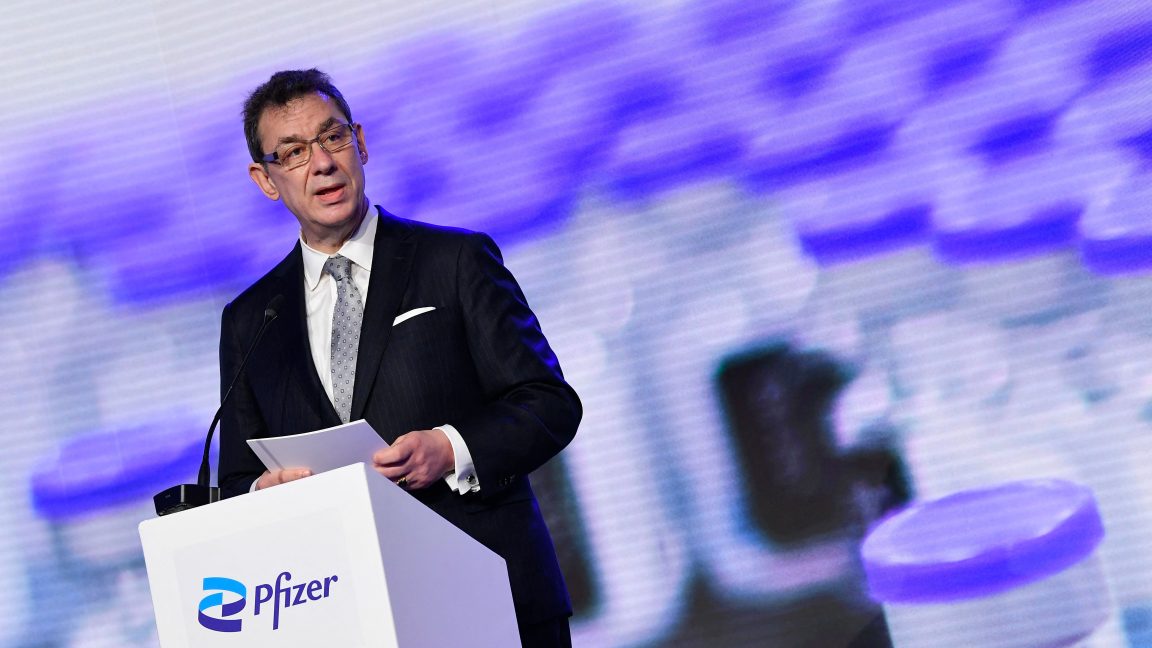
Pfizer CEO Albert Bourla identified litigation risks metastasizing alongside distrust. Robert F. Kennedy Jr.—an environmental lawyer lacking scientific credentials—profits from lawsuits manufacturers deem predatory. His advocacy group Children’s Health Defense sued Merck over Gardasil injuries; partners frequently litigate shielded claims via National Vaccine Injury Compensation Program exceptions. Bourla fears plaintiffs’ firms weaponize Kennedy’s rhetoric framing vaccines as monopolistic harms—despite multi-decade mortality declines:
FOR CONTEXT: Routine childhood immunization saves 4 million lives/year globally (WHO, 2022)
Comparing antivax litigation to opioid/workplace lawsuits clarifies Bourla’s warning: frivolous suits drain R&D coffers and deter innovation while plaintiffs forge lucrative careers. If Kennedy’s political ascension legitimizes broad-spectrum liability crusades, oncology & Alzheimer’s pipelines jam first.
The Enduring Virus
Pharma’s warnings distill cascading threats: vaccine skepticism transcends COVID disputes, metastasizing toward pediatric basics and escalating flu seasons. Structural pressures—electoral timing, viral misinformation, litigation ecosystems—stifle corrections despite hard evidence. Public health’s pillar requires rebuilding trust intersections: content regulation curbing fringe ideologies, bipartisan policy stabilizing CDC independence, liability reforms insulating breakthrough research. As Moderna echoes, the critical question shifts from “why?” to “where next?” How society answers determines a trajectory backward toward polio wards or forward through pandemic-resilient breakthroughs—your perspective shapes the outcome. What urgent steps should leaders prioritize? Engage in comments below.


