
Blizzard Overhauls Overwatch 2: Is Progression 2.0 the Meaningful Advancement Players Craved?
Remember grinding levels in Overwatch 2 only to feel a vague sense of detachment from your actual gameplay mastery? You’re far from alone. For years, Overwatch’s progression systems have been criticized for lacking tangible impact, often feeling like a background number rather than a celebration of player skill or dedication. Blizzard aims to fundamentally change that perception with Season 18, launching August 26th. Beyond the expected new support hero, Wuyang, and the seasonal battle pass, the star of this update is Overwatch 2 progression reborn. Dubbed “Progression 2.0,” this sweeping overhaul promises to transform how players showcase their prowess, interact with rewards, and strategize even before a match begins. Is this finally the meaningful end-game loop fans demanded? Let’s dive deep.
The Problem: Why Old Progression Fell Short (And Why This Fix Matters)
Before understanding Progression 2.0, we need to diagnose the ailment. Previously, Overwatch 2’s progression primarily manifested as:
- An Obscure Number: Account and hero levels were tiny icons buried in menus, rarely visible in matches.
- Disconnected Rewards: Unlocking icons, sprays, or minor cosmetics often felt arbitrary. Players frequently missed notifications, leaving rewards unclaimed within cluttered cosmetic collections.
- Zero Strategic Impact: Levels offered no insight into team composition or individual strengths during the crucial pre-game phase.
- Poor Psychological Reward: Incremental leveling lacked clear, visual milestones to strive for, reducing its motivational pull.
Blizzard admits the old system felt “divorced from gameplay.” This disconnect harmed player retention and engagement. Gamers intrinsically crave visible progression and recognition – systems that validate their time investment and skill development (Source: Psychology of Play & Motivation – ResearchGate). Progression 2.0 explicitly targets these psychological needs.
Deconstructing Progression 2.0: Features and Visual Transformation
The core of Season 18’s update is a multi-layered approach to making progression visible and meaningful.
Shiny New Badges of Honor: Ascended Frames & Hero Tiers
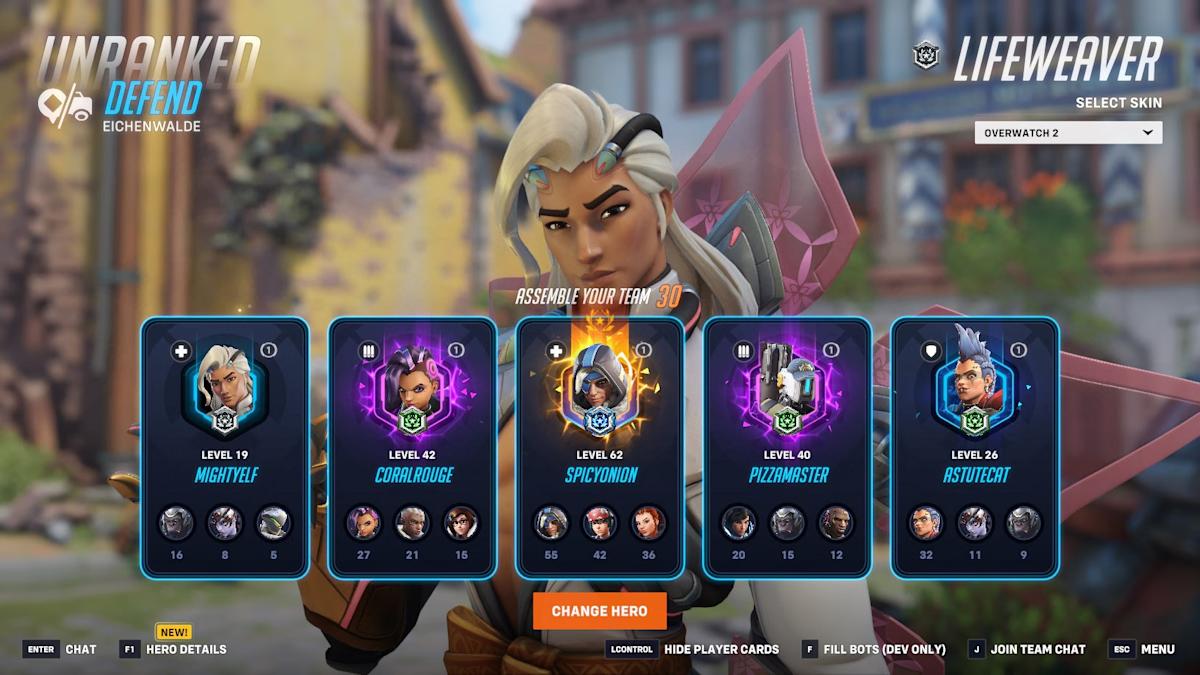
The most immediate visual change lies in the Hero Select screen. Progression 2.0 introduces:
- Ascended Portrait Frames: These increasingly elaborate borders visually represent your account progression. They change and become more ornate every 20 levels, culminating in a prestigious look at Level 60. Crucially, this frame is prominently displayed to everyone in the lobby when you select your hero. No more hiding behind a generic icon.
- Hero Badges: Complementing the frames are five distinct tiers of hero-specific badges unlocked progressively between the Ascended Frame milestones. These badges appear directly below your hero portrait in Hero Select, instantly signaling your dedication and experience level to teammates with that particular character.
Ascended Frame & Badge Progression Summary:
| Milestone Type | Frequency | Visual Impact | Display Location | Max Level |
|---|---|---|---|---|
| Ascended Frame | Every 20 Levels | Increasingly elaborate border effect | Hero Portrait on Hero Select | Level 60 |
| Hero Badge | 5 Tiers | Badge level under portrait | Under Hero Portrait on Hero Select | 5 (Distributed between frame milestones) |
Pre-Match Intel: Hero Cards for Strategic Teambuilding
Moving beyond vanity items, Blizzard introduces Hero Cards – a new feature aimed directly at improving team synergy before the match starts.
- What It Shows: Your Hero Card displays your top-picked heroes to your allies during the Hero Select phase.
- Strategic Goal: This isn’t just fluff. By revealing teammates’ strengths (e.g., seeing two teammates heavily favor Tank heroes), players can instantly assess group composition and adjust picks accordingly. It fosters a “test of cooperation” right at the outset, pushing teams towards optimized lineups before the clock even starts.
- Savvy Restrictions: Blizzard smartly limited visibility in Competitive mode:
- Opponents cannot see your Ascended Portrait Frame until 10-15 seconds AFTER the match begins (preventing pre-emptive hero bans based purely on prestige).
- Opponents only see your Hero Card after eliminating you for the first time (mitigating strategic targeting based on your preferred picks).
- This balances information access, preventing exploitation in the high-stakes ban/pick phase unique to Competitive.
The Dedicated Rewards Hub: Beyond the Cosmetic Graveyard
One major pain point Progression 2.0 solves is reward awareness and management:
- Centralized Progression Menu: Forget digging through character skins and sprays. A brand-new menu dedicated solely to progression tracks your level journey (Account and per-Hero).
- Transparent Goals & Unlocks: This hub displays all upcoming hero-specific rewards on a clear track. Players see exactly what they’re working towards with each hero.
- Instant Equipping: Unlocked progression rewards (sprays, badges, player icons, etc.) can be equipped directly from this menu – no more cumbersome searches through the hero gallery.
- Generous Loot Gates: Leveling heroes within Progression 2.0 grants occasional Epic and Legendary loot boxes as rewards! This injects valuable current-season cosmetics directly into the progression path, making leveling up feel genuinely rewarding (Source: Blizzard Entertainment – Overwatch 2 Official Site).
Fairness and Accessibility: Leveling the Playing Field
Blizzard understands progression systems must cater to both veterans and newcomers. Progression 2.0 gets this balance right:
- Retroactive Rewards: This is huge for existing players. Upon logging into Season 18, all accumulated progression toward the new Ascended Frames, Hero Badges, and loot boxes will be instantly granted retroactively. Long-time fans are greeted with a treasure trove of rewards to browse and equip immediately, validating their past dedication.
- New Player On-Ramp: Recognizing the initial grind can be daunting, Blizzard scaled the first 20 levels to be significantly faster. More Free-to-Play credits and cosmetics are also concentrated in these early tiers, providing quicker gratification and essential resources for building a minimal roster/cosmetic set.
- Climbing the Ladder: While early levels are faster, later levels naturally require more investment. This scaling mirrors player skill progression – the initial basics are quicker to acquire, while true mastery takes sustained effort. Dedicated players chasing those top Ascended Frames still get meaningful long-term goals.
Beyond Progression: Season 18’s Complementary Upgrades
While Progression 2.0 dominates, Season 18 brings hefty additions with broader implications:
- Keyboard & Mouse Support on Console: A highly requested feature from competitive players who prefer precision aiming outside the PC ecosystem. This officially sanctioned support (versus third-party devices) promotes fair play and accessibility across platforms. Expect the console competitive landscape to potentially shift significantly.
- Wuyang Joins the Fight: The water-manipulating support hero, previously available briefly, becomes a full-time roster member. His unique mechanics offer new strategies and shake up the meta, emphasizing that Season 18 is more than just a systems update – it’s a substantial content injection.
Why Progression 2.0 Could Be Game-Changing for Overwatch 2
Blizzard’s Progression 2.0 isn’t a mere cosmetic tweak; it addresses core game design principles for long-term engagement:
- Validating Player Investment: By making progression visually prestigious (Ascended Frames), skill-specific (Hero Badges), and strategically relevant (Hero Cards), it finally connects time spent in-game to tangible in-match recognition.
- Fostering Team Cohesion: Hero Cards subtly encourage players to consider team composition before the fight even starts, potentially reducing on-the-fly arguments and suboptimal picks.
- Commercial Synergy: Offering desirable loot boxes within the progression track creates an organic hook that complements, rather than overshadows, the Battle Pass. Players see consistent rewards for playing, paid or not.
- Learning from Others: Features like Hero Cards share conceptual DNA with archetypes seen elsewhere (e.g., player cards in shooters like Valorant or ranking icons in MOBAs like League of Legends (Source: League of Legends Ranked System – Leaguepedia), but Overwatch integrates them uniquely into the pre-game team strategy.
Potential Pitfall? Hiding enemy prestige data in Competitive is wise, but Blizzard must vigilantly monitor if Hero Cards unintentionally fuel toxicity (e.g., blaming teammates for choosing an unpracticed hero despite having alternatives in their “top” list). Continued iteration will be key.
Conclusion: A Promising New Chapter for Player Identity
Season 18 marks a potential turning point for Overwatch 2. Progression 2.0 goes far beyond adding levels; it strategically weaves player dedication and hero mastery into the very fabric of the pre-match and in-game experience. The visual prestige of Ascended Frames, the focused dedication signaled by Hero Badges, the strategic utility of Hero Cards, and the accessible, rewarding unlock system collectively transform progression from an afterthought into a core motivator. Combined with the permanent addition of Wuyang and the openness of KBM support on console, Season 18 offers both foundational improvements and fresh gameplay. It’s a significant step towards Overwatch 2 feeling like a game where your hard-earned skills are proudly and impactfully displayed for all to see. What are your thoughts on Progression 2.0? Will this overhaul keep you plugged into the fight? Share your hopes and concerns in the comments below!
Sources & Further Reading:
Original article at www.engadget.com


