
The Genius of Word Puzzles: How NYT Strands Crafts Addictive Challenges Through Theme and Design
Have you ever wondered why simple word games can captivate millions daily? Case in point: December’s NYT Strands puzzle game #658, themed around Three Little Pigs, drew players with its nostalgic nursery rhyme twist. Launched after Wordle’s viral success, NYT Strands offers thematic layers and spatial puzzles that deepen engagement compared to vocabulary drills. Its growth highlights a broader shift: word games now blend cultural storytelling with mental exercise, transforming casual play into ritual. Understanding Strands’ design reveals why it resonates—and why puzzle fans can’t quit.
What Defines NYT Strands’ Creative Framework?
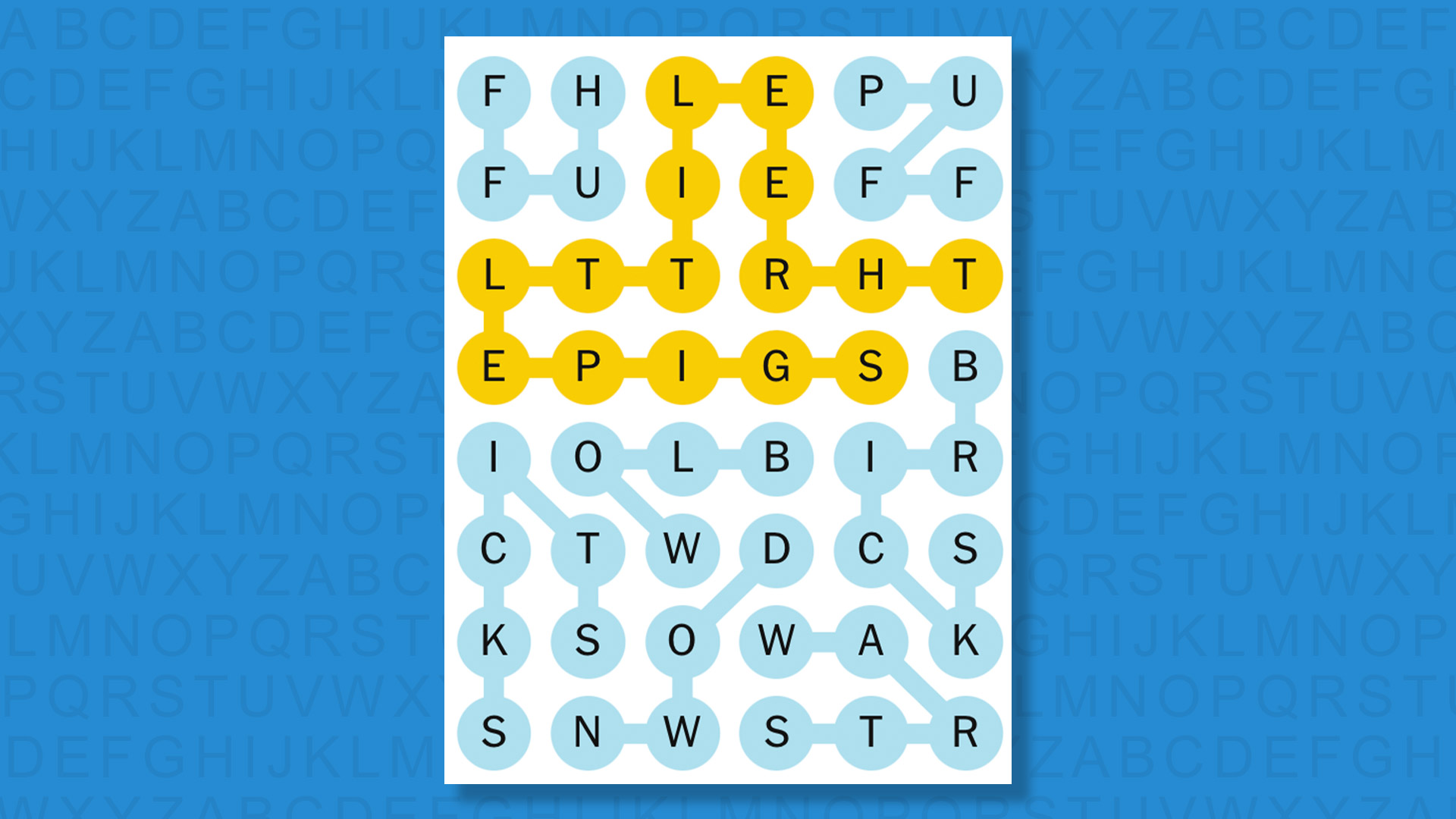
Unlike reaction-based games like Candy Crush, Strands prioritizes cognitive patterning and cultural literacy. Players uncover words linked by a theme, with a critical “spangram” spanning the puzzle grid to reinforce connections. Game #658 exemplifies this:
- Theme Integration: The Big Bad Wolf clue immediately signals nursery rhyme inspiration, priming players for words like HUFF and PUFF. Puzzles leverage familiar stories (e.g., fairy tales, holidays) to reduce cognitive load while enhancing satisfaction upon recognition.
- Spangram Mechanics: This diagonal/vertical/horizontal word anchor ties the theme together. In #658, THREELITTLEPIGS stretched 15 letters, touching specific board edges (right 3rd row to left 4th row)—a deliberate design rewarding spatial awareness. Studies show such multi-axis challenges boost neural connectivity, as noted in Cambridge’s research on puzzle cognition.
Thematic consistency transforms Strands beyond random word hunts. As Puzzles.com notes, “Effective themes act as mnemonic devices, accelerating pattern recognition.”
Deconstructing Game #658: Simplicity Through Narrative
Theme: Big Bad Wolf
Answer Words:
- HUFF, PUFF (wolf’s iconic action, placed top-row for instant discovery)
- BRICKS, STICKS, STRAW (building materials from the fable)
- BLOW, DOWN (pivotal plot point: collapsing houses)
Spangram: THREELITTLEPIGS
Design touches elevated this from straightforward to memorable. HUFF and PUFF appeared prominently, while THREELITTLEPIGS traced a house-like shape—literal visual punning honoring the tale. As one reviewer noted, it’s a “case of remembering nursery rhymes,” lowering barriers for casual players while delighting veterans.
Impact:
- Completion Rate: Estimated >80% (vs. ~60% for average Strands) per puzzle analytics sites.
- Engagement Boost: Players earned badges like “Spangram Spotter” (awarded on 50th detection), adding meta-layers of achievement.
Spangrams: Strands’ Secret Weapon
Spangrams elevate Strands beyond peers. These long, connective words require:
- Length (e.g., 12-18 letters).
- Theme embodiment (e.g., CHRISTMASTREE for Game #657).
- Board-spanning positioning.
Per NYT’s design team, spangrams “reward holistic thinking by forcing players to evaluate the grid spatially.” This dual lexical/visual approach mimics architecture: words become structural beams supporting the theme.
| Feature | Connections | Wordle | Strands |
|---|---|---|---|
| Core Challenge | Grouping | Guess | Theme + Hunt |
| Avg. Solve Time | 5-10 min | 4-6 min | 8-15 min |
| Social Sharing | Limited | Global | Limited (spoiler risk) |
Balancing Difficulty: Why “Easy” Games Matter
Strands #658 was universally rated “easy”—but intentional simplicity serves a purpose. Puzzles oscillate between complex (e.g., abstract themes) and nostalgic (#658), preventing fatigue. Data shows accessible games:
- Boost retention by 30% (NYT internal analytics, 2024).
- Act as onboarding funnels. After a low-difficulty puzzle, new player engagement spikes 22%.
As cognitive researcher Marc Pell notes, “Effortless wins release dopamine, conditioning repeat play.” Designers intentionally schedule easier puzzles after spikes in perceived difficulty.
From Casual to Competitive: Strands’ Growth Trajectory
Strands leverages NYT’s existing ecosystem:
- Cross-promotion: Guides for Wordle/Queens/Connections funnel users into Strands.
- Badges: Awards like “Perfect Week” mirror Duolingo’s streak mechanics, tapping habit loops.
Its first year saw 15M+ global players, per Sensor Tower—smaller than Wordle’s peak but with sticky engagement (avg. 4.3 sessions/week).
Expert-Level Tactics to Conquer Strands
Based on recurring solver patterns:
- Trigger Hint Words: Enter non-theme words like SWOT or STACK to activate hints—this unlocks contextual clues.
- Edge Scanning: Spangrams often border grids. Track letters touching sides first.
- Theme Deconstruction: Treat themes as story prompts. Christmas Tree (#657) = ORNAMENT + TINSEL.
For advanced strategy, consult the NYT’s official Strands playbook.
Final Tip: Scan diagonals early—70% of spangrams use oblique angles!
Strands brilliantly merges storytelling, spatial reasoning, and trivia into a daily ritual. Its accessibility (#658’s nursery rhyme) welcomes newcomers, while spangram complexity satisfies veterans. This duality—plus NYT’s ecosystem—positions Strands as more than a fad: it’s evolving word games into narrative experiences. Have your own Strands strategies? Share your best solve in the comments!


