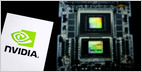

The Chipmaker’s Tightrope: NVIDIA’s Balancing Act Between Markets and Geopolitics
Is any microchip truly worth geopolitical brinkmanship? NVIDIA’s powerful H200 AI processor finds itself precisely at that intersection, embodying both breathtaking technological potential and fierce international power struggles. According to the company itself at recent announcements, NVIDIA experiences strong demand from China for this cutting-edge hardware, particularly from its cloud giants and AI innovators. Yet, amidst global tension, NVIDIA China H200 Chip sales remain frozen, trapped in a precarious stalemate, awaiting crucial governmental approvals from both Washington and Beijing. This standoff isn’t just a corporate hurdle; it’s a critical litmus test for the future of global AI leadership, supply chain resilience, and technological diplomacy. Understanding its dynamics reveals the enormous complexity modern tech giants navigate when innovation collides with national interest.
The Allure of NVIDIA’s H200: Why China Craves Cutting-Edge Compute
At its core, the NVIDIA H200 GPU represents a significant leap forward in artificial intelligence processing capability. Building upon its predecessor (the H100), the H200 introduces groundbreaking improvements centered primarily on memory technology:
- Revolutionary Bandwidth: The hallmark upgrade is the integration of high-bandwidth memory type 3 (HBM3e). This vastly accelerates data transfer rates between the GPU cores and its memory, a critical bottleneck in handling massive AI datasets and complex models.
- Enhanced Capacity: Paired with HBM3e’s speed is an increased memory capacity. The H200 features the potential for up to 141GB of buffer memory. This expanded “workspace” allows developers in China to train and run larger, more sophisticated AI models – from generative AI applications to complex scientific simulations – significantly faster than previous generations allowed.
- Seamless Integration: Crucially for enterprises, NVIDIA designs its GPUs for backward compatibility. Data centers already housing NVIDIA HGX platforms likely demand this chip as a relatively straightforward upgrade path to vastly superior performance without requiring a complete infrastructure overhaul. China’s rapid AI adoption fuels intense demand.
China’s ambitions to be a global leader in artificial intelligence are undisputed. This drive necessitates access to the most powerful computing infrastructure available. Domestic players like Huawei are innovating, but NVIDIA’s architecture and CUDA software ecosystem remain the dominant global standard, enabling an unparalleled ecosystem of libraries and frameworks like PyTorch and TensorFlow.
Navigating the US Regulatory Minefield
Before any H200 chips can ship to China, NVIDIA must secure authorization under stringent US export controls. These regulations, significantly escalated over the past few years, aim explicitly at preventing China’s military from accessing advanced US technology that could accelerate AI development for battlefield applications. Key facets include:
- Performance Thresholds: The US Commerce Department imposes strict caps on computational performance metrics like Computing Performance Threshold (CPT) and Performance Densities (PD) measured in teraflops per square millimeter. The H200 inherently exceeds these limits designed to target AI-capable chips.
- Licensing Requirements: Exports to China (and specifically entities on the Entity List) require individual validated licences. Securing these licences involves navigating complex bureaucratic hurdles to demonstrate that sales pose no unacceptable national security risk. There’s inherent tension: obvious Chinese commercial players driving this strong demand, while China’s broader ecosystem fuels US security concerns.
- Implications of Failure: Without explicit US authorization, shipping the unrestricted H200 to China would violate export laws, incurring severe penalties.
Key US Export Controls Impacting Advanced AI Chips Like the H200:
| Feature | Targeted Limitation | Rationale | NVIDIA H200 Status |
|---|---|---|---|
| Compute Performance Threshold | Specific TFLOPS/Watt limits | Limit AI training peak speeds | Likely Exceeds Thresholds |
| Performance Density | TFLOPS/mm² cap | Restrain processing power per physical unit | Likely Exceeds Thresholds |
| Interconnect Bandwidth | Total transfer rates restrictions | Control cluster-scale AI model training | Unknown Potential Threshold Issues |
| End-Use Certification | Documentation proving non-military/blacklist purposes | Prevent dual-use application | Always Required, Complex Process |
Beijing’s Gatekeepers: Seeking Balanced Tech Sovereignty
Securing US approval is only half the battle. China actively seeks to reduce reliance on foreign technology and participates actively in global governance while simultaneously protecting its own strategic interests. Entering the Chinese market requires navigating Beijing’s own regulatory landscape:
- The Vetting Process: Chinese authorities thoroughly vet imported technology critical to national infrastructure domains like cloud computing and AI (Wikipedia contributors. Dual-use goods). Arbitrary licensure approvals effectively become powerful non-tariff trade barriers safeguarding domestic firms and mitigating external supply risks.
- Strategic Leverage: By withholding approval, Chinese regulators hold significant leverage to pressure NVIDIA regarding pricing strategies, technology transfer dynamics involving local partnerships (JV terms), or moderation policies integrated within China-specific iterations of NVIDIA’s toolsets/platforms conforming to domestic internet censorship laws.
- Domestic Industry Protection: Delays potentially grant breathing room for domestic alternatives like Huawei’s Ascend processors to mature technologically and capture larger enterprise market shares NVIDIA historically dominated. Since Huawei remains officially blocked from cutting-edge Western chip technologies, China possesses strategic motivations enabling substitution paradigms emerge organically through controlled access limitations.
Market Dynamics Amidst Uncertainty
The prolonged standoff inevitably reshapes technology markets across sectors:
- The Gray Market Problem: Past histories demonstrate scarcity provokes creation of collateral undocumented markets – think third parties assembling scarce chips obtained via indirect intermediary channels, fueling regulatory violations amidst prohibitive premiums sellers charge inflated prices exceeding official MSRP.
- Innovation Downgrades: Market analysts speculate NVIDIA deliberately develops intentionally downgraded versions of flagship chips specifically for China-facing customers – potentially analogous to slower export variants compliant with US thresholds. However fundamental performance gaps persist between such constrained product lines and top-tier offerings like H200 impacting competitiveness differentials facing Chinese developers compared against global peers operating unfettered access pathways.
- Accelerated Homegrown Alternatives: Constraints serve as powerful catalysts accelerating R&D investments towards viable domestic alternatives. When governments actively block NVIDIA’s advanced chips, nations build sophisticated capabilities internally independent of geopolitical restrictions influence – fundamentally reshaping long-term competitive positioning globally within semiconductor manufacturing industry tiers.
Conclusion
The powerful allure of NVIDIA’s H200 AI chip illuminates China’s voracious technological ambition. Yet, translating potent demand into tangible sales requires hurdling a daunting double obstacle course devised by geopolitical rivals Washington and Beijing. Navigating US export regimes prioritizing national security alongside China’s own gatekeepers dedicated towards technological sovereignty creates intersecting points stressing international technology transfers annually worth billions. Stall or breakthrough? Either outcome cascades through global semiconductor ecosystems influencing innovation trajectories ranging far beyond NVIDIA itself encountering this balancing geopolitical act. How nations reconcile market dynamics securing unfettered innovation whilst safeguarding perceived vital interests fundamentally shapes tomorrow’s technological evolutionary pathway landscape. Is finding common ground compatible with fierce competition even possible? Share your insights below – can commerce ever truly trump geopolitics in the age of artificial intelligence?


