
AI Chip Manufacturing Comes to America: A New Era of Innovation
Could bringing advanced manufacturing back to American soil be the key to securing the nation’s future in artificial intelligence? The partnership between NVIDIA and TSMC to produce cutting-edge AI chips in the United States is a pivotal moment, signaling a commitment to onshoring the critical infrastructure needed to power the AI revolution. This move not only strengthens the U.S. supply chain but also positions the country to lead in the development and application of AI technologies. The development and manufacturing of AI chips are now a domestic priority.
The Dawn of American AI Chip Production: NVIDIA and TSMC Forge Ahead
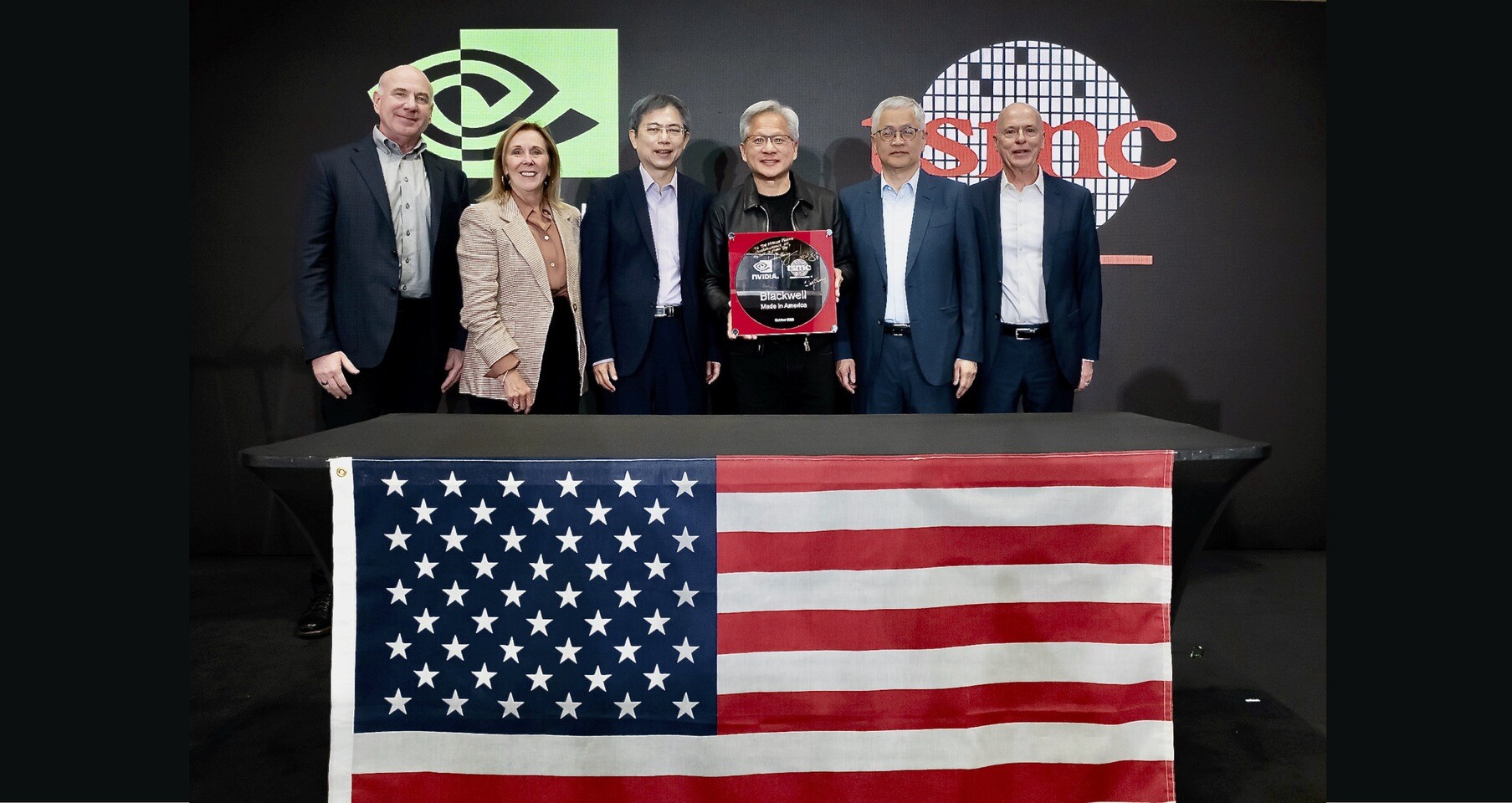
The recent announcement of the first NVIDIA Blackwell wafer produced at TSMC’s Arizona facility marks a significant leap forward for the U.S. semiconductor industry and the broader AI landscape. This collaboration signifies a tangible commitment to reindustrializing America and securing its position at the forefront of AI innovation.
A Historic Moment: Blackwell Wafer Production in the US
NVIDIA founder and CEO Jensen Huang’s visit to TSMC’s Phoenix plant was more than just a photo opportunity; it symbolized a strategic shift in the global semiconductor landscape. The signing of the first Blackwell wafer produced in the US is a testament to the rapid progress being made in establishing a domestic AI chip manufacturing base. Huang himself called it a “historic moment,” emphasizing the importance of having the most advanced chip manufactured on American soil.
This event carries significant weight for several reasons:
- Economic Reindustrialization: It aligns with the vision of bringing manufacturing back to the United States, creating jobs, and fostering economic growth.
- Technological Leadership: Securing domestic production of AI chips positions the U.S. as a leader in the world’s most important technology industry.
- Supply Chain Resilience: Reducing reliance on foreign manufacturers mitigates supply chain risks and ensures a more stable and secure supply of critical components.
TSMC Arizona: A Hub for Advanced Semiconductor Manufacturing
TSMC’s Arizona facility is poised to become a crucial hub for advanced semiconductor manufacturing. CEO of TSMC Arizona, Ray Chuang, highlighted the company’s dedication and the importance of its partnership with NVIDIA. The facility’s ability to deliver the first U.S.-made NVIDIA Blackwell chip in a short timeframe is a testament to the strong collaboration and dedication of TSMC’s employees and local partners.
The facility is equipped to produce a range of advanced technologies, including:
- 2-nanometer chips: Representing the cutting edge of semiconductor technology, offering increased performance and energy efficiency.
- 3-nanometer chips: Widely used in high-performance computing and mobile devices.
- 4-nanometer chips: Providing a balance of performance and cost-effectiveness.
- A16 chips: Further enhancing performance and efficiency for demanding AI applications.
These advanced chips are essential for applications in AI, telecommunications, and high-performance computing, underpinning the future of technological innovation.
What are the benefits of Onshoring AI Chip Manufacturing?
Bringing AI chip manufacturing back to America offers a multitude of advantages:
- Enhanced National Security: Reduces reliance on foreign suppliers for critical technologies.
- Job Creation: Stimulates economic growth by creating manufacturing and related jobs.
- Innovation Ecosystem: Fosters collaboration between chip manufacturers, AI developers, and research institutions.
- Supply Chain Security: Mitigates risks associated with geopolitical instability and disruptions to global supply chains.
- Intellectual Property Protection: Provides greater control over intellectual property and reduces the risk of technology theft.
People Also Ask: Why is it important to onshore AI chip manufacturing?
NVIDIA Blackwell: Powering the AI Revolution
The NVIDIA Blackwell architecture represents a significant advancement in GPU technology, offering exceptional performance, return on investment, and energy efficiency for AI inference. This new generation of GPUs is designed to accelerate AI workloads, enabling faster and more efficient training and deployment of AI models.
Understanding NVIDIA Blackwell’s Impact
The NVIDIA Blackwell architecture is not merely an incremental upgrade; it’s a revolutionary step forward in AI chip design. Its impact can be seen across various industries:
- Healthcare: Accelerating drug discovery and development, improving medical imaging, and personalizing treatment plans.
- Finance: Enhancing fraud detection, optimizing trading strategies, and improving risk management.
- Manufacturing: Enabling predictive maintenance, optimizing production processes, and improving quality control.
- Transportation: Powering autonomous vehicles, optimizing logistics, and improving traffic management.
These are just a few examples of how NVIDIA Blackwell GPUs are transforming industries and driving innovation.
Why is NVIDIA Blackwell important for AI Inference?
AI inference, the process of using trained AI models to make predictions or decisions based on new data, is a critical component of AI applications. NVIDIA Blackwell GPUs are specifically designed to accelerate AI inference, enabling real-time decision-making and faster response times. Its enhanced performance and energy efficiency translate directly into lower operating costs and improved scalability for AI deployments.
The Future of American AI Manufacturing
The NVIDIA and TSMC partnership is just the beginning of a broader trend towards onshoring AI chip manufacturing to the United States. As demand for AI continues to grow, the need for domestic production capabilities will only increase.
NVIDIA’s Vision for U.S. Manufacturing
NVIDIA is committed to investing in U.S. manufacturing and developing the infrastructure needed to support the growing AI industry. The company plans to deploy its advanced AI, robotics, and digital twin technologies to design and operate new U.S. manufacturing facilities. This commitment to innovation and automation will help to ensure that U.S. manufacturers remain competitive in the global market.
What Challenges Lie Ahead?
While the future of American AI manufacturing is bright, there are also challenges that need to be addressed:
- Skilled Workforce: Developing a skilled workforce capable of designing, manufacturing, and maintaining advanced semiconductor equipment.
- Infrastructure Investments: Investing in the infrastructure needed to support a thriving semiconductor industry, including power, water, and transportation.
- Regulatory Environment: Creating a regulatory environment that encourages investment and innovation.
Addressing these challenges will be crucial to ensuring the long-term success of American AI manufacturing.
Original Analysis: The trend towards onshoring AI chip manufacturing is not just about economics; it’s also about national security and technological leadership. By securing domestic production capabilities, the U.S. can reduce its reliance on foreign suppliers and ensure that it remains at the forefront of AI innovation. However, the success of this initiative will depend on sustained investment, a skilled workforce, and a supportive regulatory environment.
Conclusion: Securing America’s AI Future
The partnership between NVIDIA and TSMC to produce AI chips in America marks a pivotal moment in the history of the U.S. semiconductor industry. The production of the first NVIDIA Blackwell wafer on U.S. soil signifies a commitment to reindustrializing America, securing its technological leadership, and strengthening its supply chain resilience. This initiative will not only create jobs and foster economic growth but also position the U.S. to lead in the development and application of AI technologies, and marks the start of an AI industrial revolution.
What do you think about this collaboration? Comment below with your thoughts on how onshoring AI chip manufacturing will affect the future of the American economy and technological landscape.
Sources & Further Reading:
Original article at www.techpowerup.com


