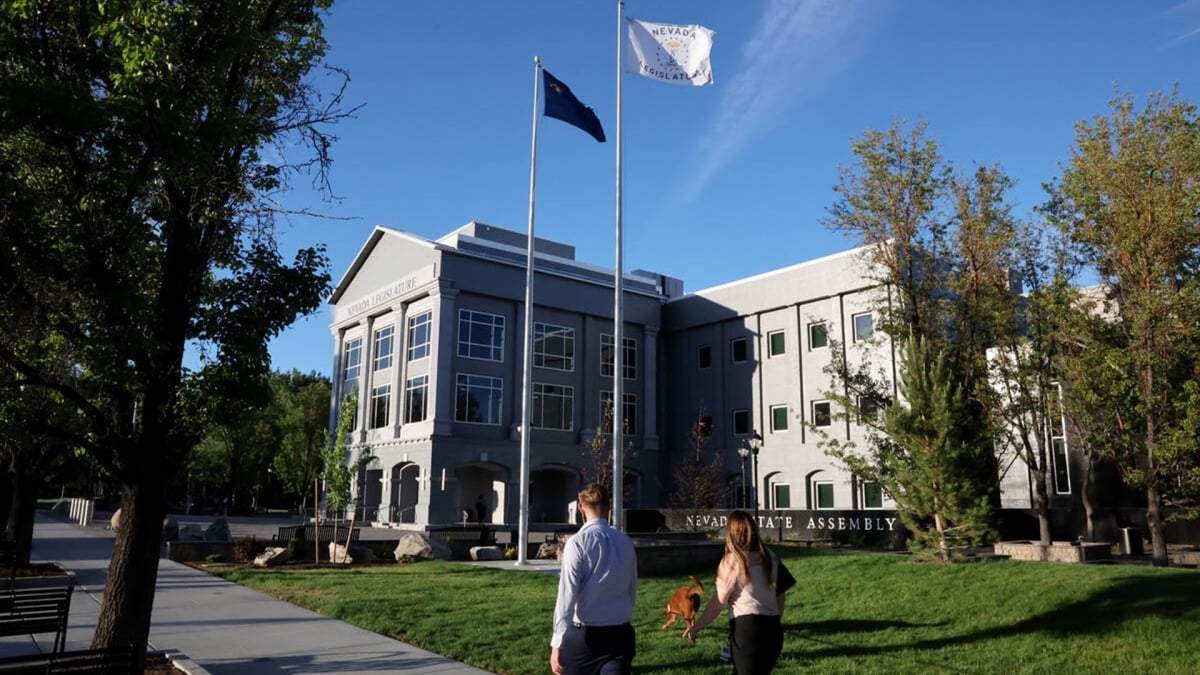

Digital Crisis in the Desert: Nevada’s Network Crash Exposes Fragility of Modern Government
What happens when the digital backbone of an entire U.S. state suddenly snaps? On a seemingly ordinary Monday, Nevadans found out the hard way. Renewing driver’s licenses, applying for marriage certificates, accessing vital records, or conducting virtually any state business ground to a halt. The culprit? A crippling “significant state network degradation,” rapidly dubbed a “network security incident” by Governor Joe Lombardo’s office. This wasn’t just an inconvenience; it was a stark demonstration of the critical—yet often fragile—digital infrastructure underpinning modern governance. The Nevada network security incident, first detected in the early hours of Sunday, forced the unprecedented shutdown of all in-person state services statewide, instantly revealing the deep vulnerabilities within state government systems and the cascading impact on citizen life when those systems fail. While emergency services remained operational, the core functions residents rely on daily evaporated, plunging the Silver State into a digital dark age and raising urgent questions about cybersecurity and resilience.
The Immediate Fallout: A State Stalled
Imagine needing a renewed driver’s license to get to work, a marriage certificate for a scheduled wedding, or crucial business filings to meet a legal deadline. For countless Nevadans on Monday, these weren’t hypotheticals; they were impossibilities. Governor Lombardo’s decisive action to close all physical state offices was a clear indicator of the outage’s severity: the problem resided deep within the network core shared across agencies. This government service outage wasn’t isolated to a single department; it was systemic.
- Key Services Impacted:
- Department of Motor Vehicles (DMV): License/ID renewals, vehicle registrations, driving tests, title transfers – all halted.
- Vital Records: Inability to obtain birth, death, or marriage certificates.
- Business Licensing & Filings: Entrepreneurs and businesses seeking permits, licenses, or official filings were blocked.
- General State Agency Operations: Whether accessing internal databases, processing applications, or updating records, standard workflows were disabled.
- Online Portal Paralysis: Compounding the in-person shutdown, the digital front doors were also locked. Critical state websites, including the official sites of the Governor, the Attorney General, and crucially, the DMV, remained inaccessible into the late afternoon Pacific Time, severing the only potential alternative channel for information or transactions (CNN).
- The Emergency Exception: Crucially, officials confirmed that emergency services, including the 911 system, continued to function normally. This distinction highlights the prioritization of life-saving infrastructure but underscores how vast swathes of other “essential” administrative services remain vulnerable.
Behind the Screens: The Network Ecosystem of State Government
Modern state governments like Nevada’s operate on vast, interconnected networks. These digital government infrastructures link diverse systems across multiple agencies (DMV, taxation, health, public safety, licensing bureaus) often sharing core services like identity verification databases, payment gateways, and internal communication platforms. This interconnectedness delivers efficiency but also creates critical single points of failure.
- Shared Resources: An attack or failure impacting a central authentication server, network backbone connection, or essential cloud service can cascade, crippling multiple agencies simultaneously – exactly what appeared to occur in Nevada. This statewide network disruption exposed the inherent risk of this shared-service model when robust redundancy and isolation strategies are insufficient.
- Legacy Systems Vulnerability: Many state governments struggle with aging IT systems (“legacy systems”) which are often difficult to secure against modern cyber threats due to outdated software, lack of vendor support, and inherent architectural flaws. The Federal Bureau of Investigation (FBI) and Cybersecurity & Infrastructure Security Agency (CISA) consistently warn that these legacy environments are prime targets (https://www.cisa.gov/legacy-it).
- Increased Attack Surface: The move towards online services, while beneficial for accessibility, dramatically expands the “attack surface” – the number of potential entry points for malicious actors. Every public-facing website, portal, or API is a potential vulnerability.
The Shadow of Malice: Investigators Probe “Security Incident”
While technical failures can cause major outages, the deliberate choice of terminology – “network security incident” – by the Governor’s office and the subsequent involvement of the FBI investigation strongly points toward the possibility of a malicious cyber attack:
- Common Attack Vectors:
- Ransomware: Malware that encrypts critical files/data, rendering systems unusable until a ransom is paid. It has crippled cities (Atlanta, Baltimore), counties, and businesses globally.
- Distributed Denial of Service (DDoS): Overwhelming state servers with traffic floods, making services inaccessible to legitimate users.
- Cyber Intrusion/Hacking: Unauthorized access potentially leading to system disruption, data theft (though none was yet reported), or act as a precursor to other attacks like ransomware deployment.
- Parallels to Private Sector Breaches: The source content reference to the “Massive Allianz Life data breach” serves as a chilling reminder. Nation-State Actors (NSAs) and sophisticated cybercriminal groups routinely target both private corporations (for data theft, financial gain) and governments (for disruption, espionage, or geopolitically motivated attacks). The Allianz breach, involving sensitive financial data, underscores the high stakes (https://www.consumerfinance.gov/about-us/blog/what-do-if-your-data-was-compromised-breach/).
- FBI’s Role: The FBI’s Cyber Division specializes in investigating significant cyber intrusions, ransomware attacks, and threats to critical infrastructure. Their involvement signifies a potential criminal element necessitating forensic expertise beyond typical state IT capabilities (https://www.fbi.gov/investigate/cyber).
Why Target State Governments? High Impact, Often Vulnerable Targets
State governments represent uniquely attractive and devastating targets for cybercriminals and hostile actors:
| Attractiveness Factor | Why it Matters | Relevance to Nevada Incident |
|---|---|---|
| Massive Citizen Data Troves | Driver’s licenses, SSNs, health records, tax info are lucrative for identity theft/fraud. | Primary concern; officials noted no evidence yet, but investigation ongoing. |
| Critical Service Provider | Disrupting licenses, permits, benefits payments immediately impacts thousands. | Government service outage was immediate and crippling. |
| Perceived Weaker Defenses | Historically underfunded IT/security vs. federal agencies/major corporations. | The widespread disruption suggests defenses were overwhelmed. |
| High Publicity & Leverage | Creates chaos, erodes public trust, offers leverage for extortion (ransomware). | Immediate news headlines; officials warned of potential scams. |
- The Profit Motive: Ransomware attacks directly target entities perceived as likely to pay ransoms to restore critical services. Governments, pressured by public outcry over halted services, have sometimes paid (though increasingly discouraged by law enforcement). The FBI’s Internet Crime Complaint Center (IC3) reports billions lost annually to ransomware (https://www.ic3.gov/Media/PDF/AnnualReport/2022_IC3Report.pdf).
- Geopolitical Sabotage: Foreign state-sponsored actors may target state infrastructure as a lower-risk way to test capabilities, sow discord, undermine confidence in government, or gather intelligence, especially in politically important or strategically located states.
- Entry Point: Breaching a state network can provide a stepping stone to attack Federal systems or critical national infrastructure partners.
Beyond Inconvenience: Ripple Effects and Vulnerability to Exploitation
The impact of such a statewide network disruption extends far beyond rescheduling a driver’s test:
- Economic Friction: Businesses delayed in obtaining licenses or permits, commercial drivers unable to renew credentials, transactions stalled – all translate into lost productivity and economic cost.
- Personal Hardship: Individuals stranded by expired licenses, delayed marriages due to missing certificates, inability to access unemployment or benefit services, or stalled home purchases/probate processes caused by missing documents.
- Scam Landscape: Governor Lombardo’s specific warning underscores a critical secondary threat. Cybersecurity incidents create fertile ground for phishing scams and fraud:
- “Urgent calls” impersonating officials demanding payment or sensitive info to “fix” account issues caused by the outage.
- Fake websites or emails claiming to offer alternative, expedited access to services.
- Malware-laden emails exploiting public confusion and urgency with “updates” on the outage.
The Path Forward: Resilience is Paramount
The Nevada incident, regardless of the exact root cause (yet to be publicly determined), serves as a harsh wake-up call:
- Investment in Modernization: Moving away from fragile legacy systems to secure, resilient, and redundant cloud architectures or modernized on-premises solutions is non-negotiable, though expensive and complex.
- Robust Cybersecurity Posture: Continuous vulnerability scanning, rapid patching, multi-factor authentication (MFA) mandates across all systems, sophisticated intrusion detection/prevention systems, and regular incident response training/testing are fundamental.
- Contingency Planning: States must develop and rigorously test offline/alternative workflows for critical citizen services. What is the true contingency plan when the network is the core function?
- Cyber Hygiene & Public Awareness: Regular employee training and clear public communication during incidents (like Lombardo’s scam warnings) are crucial defenses.
Conclusion: A Brighter Future Requires Hardening Digital Foundations
Nevada’s day of digital paralysis wasn’t just a local IT glitch; it was a national cautionary tale. The Nevada network security incident laid bare the profound dependence of vital government functions on often vulnerable digital networks and the catastrophic disruption possible when they falter—whether through malicious cyber attack or catastrophic failure. The shutdown of the DMV, vital records access, and state agency operations impacted thousands of lives and businesses, highlighting services once taken for granted. While the FBI investigation continues and officials reassured no data breach was yet found, the event underscores the relentless threats facing state governments. The path to resilience demands significant investment, relentless focus on cybersecurity best practices, and comprehensive backup strategies. Protecting the digital infrastructure that powers our daily civic life is no longer optional; it’s fundamental to effective, trustworthy governance in the 21st century. Has your state taken its cybersecurity resilience seriously enough? What steps should be prioritized to prevent the next Nevada-scale shutdown? Share your thoughts below!
Sources & Further Reading:
Original article at mashable.com


