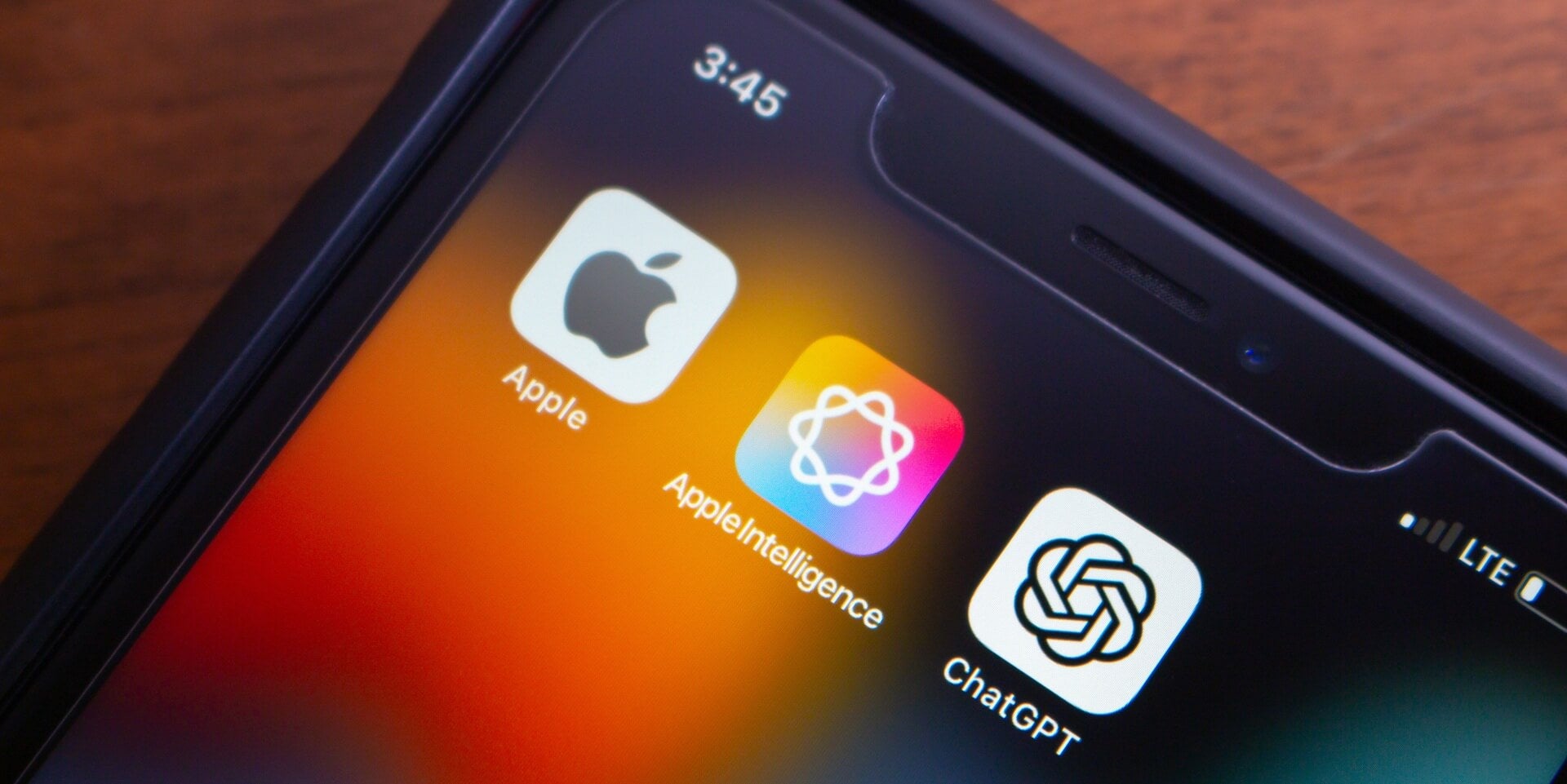

The App Store Under Fire: Can Apple’s AI Curation Withstand Antitrust Scrutiny?
Is Apple’s App Store disadvantaging smaller AI apps to favor industry giants? That controversial question sits at the heart of a new AI app antitrust lawsuit targeting Apple. Filed by an unnamed developer—widely speculated to involve Grok, Elon Musk’s AI chatbot—the suit alleges Apple manipulates App Store rankings to prioritize dominant players like ChatGPT. This isn’t Apple’s first antitrust rodeo: the tech giant faces escalating global scrutiny over its “walled garden” policies. With the AI market expected to reach $826 billion by 2030 (Statista), Apple’s curation practices could shape the competitive landscape for a generation. The implications extend beyond legalities; they strike at whether innovation can thrive in an ecosystem controlled by a $3 trillion gatekeeper.
The Spark: Decoding the AI App Store Lawsuit
Mounting accusations claim Apple’s algorithm and editorial decisions artificially boost ChatGPT’s visibility while suppressing rivals like Grok. Plaintiffs argue this violates Section 2 of the Sherman Antitrust Act, which prohibits monopolistic behavior. Though exact filing details remain scarce, the suit mirrors concerns in the EU’s Digital Markets Act (DMA), which forced Apple to allow third-party app stores. Critics speculate monetary damages and mandated App Store reforms could be primary goals.
Skepticism and Counterarguments: Flimsy Claims or Valid Grievance?
H3: ChatGPT’s Installed Base vs. Grok: The Scale Disparity
Skeptics highlight a glaring flaw in the lawsuit: ChatGPT’s user base dwarfs competitors. OpenAI’s chatbot boasts over 100 million weekly active users, per Reuters, while Grok reportedly has under 500,000. This scale naturally influences App Store dynamics:
- User Behavior Algorithms: Apple’s ranking system prioritizes downloads, engagement, and ratings. ChatGPT’s popularity ensures higher visibility organically.
- Network Effects: As users flock to established apps, challengers face inherent discovery hurdles.
- Resource Disparity: OpenAI’s funding ($10B+ from Microsoft) enables extensive marketing and optimization—advantages smaller rivals lack.
This imbalance suggests market forces—not Apple’s bias—explain ChatGPT’s dominance.
H3: Grok’s Brief Reign at #1: Undermining Allegations of Bias
Critics also cite Grok’s #1 spot in the U.S. App Store shortly after its November 2023 launch (Sensor Tower). This directly challenges claims that Apple systemically suppresses it:
Table: Grok vs. ChatGPT on the App Store
| Metric | Grok (xAI) | ChatGPT (OpenAI) |
|————————|————————|—————————-|
| Peak App Store Rank | #1 (Nov 2023) | Consistently top 5 |
| User Base Size | ~500K (estimated) | 100M+ weekly actives |
| Launch Date | November 2023 | November 2022 |
| Marketing Spend | Limited (Organic/Viral) | Massive (Multi-platform) |
Grok’s rapid rise—despite being a newcomer—implies Apple’s algorithms reward momentum, not cronyism. If bias existed, wouldn’t Grok have never topped the charts?
Apple’s Antitrust History: A Pattern Under the Microscope
Apple’s App Store policies feature a contentious legacy:
- Epic Games v. Apple (2021): A U.S. court ruled Apple’s 30% commission anti-competitive but upheld its right to curate apps.
- Spotify EU Complaint (2019): Led to a $2B antitrust fine for restricting music apps (EU Commission).
- DOJ Lawsuit (2024): Accusations of smartphone market monopolization via iOS lock-in.
These precedents lend weight to new allegations. Per legal scholar Mark Lemley (Stanford University), Apple’s “dual role as platform operator and competitor creates unavoidable conflicts. The AI boom magnifies this tension.”
The Media Frenzy and Mutual Benefits
Paradoxically, the lawsuit delivers free publicity to all involved:
- ChatGPT: Reinforces its market-leader status in headlines.
- Grok: Gains visibility among consumers unaware of its existence.
- Apple: Faces scrutiny, but its valuation remains unscathed—proving its “untouchable” brand equity.
As venture capitalist Anu Hariharan notes, “Controversy in tech is customer acquisition via osmosis. Grok’s installs likely spiked post-lawsuit.” Yet long-term harm looms if regulators impose structural changes.
Future Predictions: Legal Outcomes and Market Shifts
This case faces steep hurdles in U.S. courts, given prior rulings favoring Apple’s curation rights. However, global pressure could force concessions:
- Settlement Likelihood (60%): Apple may quietly loosen ranking criteria or reduce fees for AI apps.
- Regulatory Catalysts: The EU’s DMA compliance deadline (March 2024) may impose third-party store mandates, weakening Apple’s grip.
- Market Evolution: As AI apps commodify, discoverability tools (like generative AI search) could reduce App Store dependence.
Antitrust expert Lina Khan (FTC Chair) argues dynamic markets demand updated frameworks: “When gatekeepers control emerging tech, innovation suffers.”
Conclusion: A Battle Defining Tech’s Future
This lawsuit, while facing skepticism due to ChatGPT’s dominance and Grok’s prior #1 rank, spotlights a critical tension: Can Apple’s App Store foster fair competition in the hyper-competitive AI arena? Past antitrust cases suggest incremental reforms—not breakups—are probable. Yet with regulators weaponizing laws like the DMA and VVPRU Act, Apple’s control will increasingly fragment. For consumers, this could mean more choices; for developers, a precarious balance between visibility and platform dependency. One reality is undeniable: In tech, even accusations translate to attention. Whether that attention fuels Grok’s growth or Apple’s accountability remains to unfold.
What’s your take—does Apple unfairly advantage AI giants, or is market share simply following merit? Share your thoughts below!
Sources & Data Citations:
- Statista: Global AI Market Forecast (2024)
- Reuters: ChatGPT User Statistics (2023)
- Sensor Tower: App Store Rankings Analysis (Q4 2023)
- EU Commission: Digital Markets Act (DMA) Guidelines
- Stanford University: “Platform Monopolies in the App Economy”
- U.S. Department of Justice: Antitrust vs. Apple (2024 Filing)
Sources & Further Reading:
Original article at tech.co


