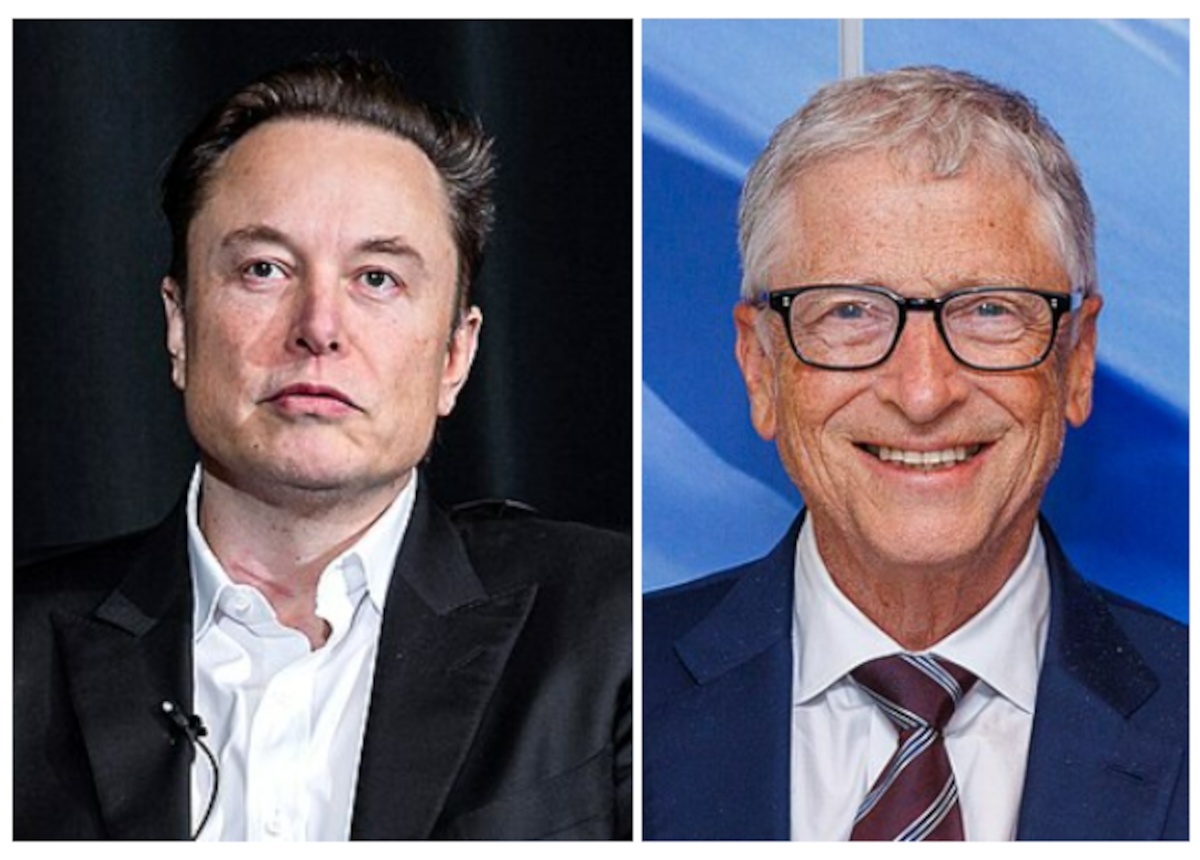

Macrohard: Is Elon Musk Seriously Challenging Microsoft with AI?
Is Elon Musk about to disrupt the software industry with an AI-powered company ironically named “Macrohard”? The name, a clear jab at Microsoft, might sound like a joke, but this venture under his xAI umbrella signals a serious intent to challenge the established giants. But what exactly is Macrohard, and is it more than just a playful dig? This article dives into Musk’s vision, the technology behind it, and the potential implications for the future of software and artificial intelligence.
What is Macrohard and Why Does It Matter?
Macrohard is an artificial intelligence (AI) venture spearheaded by Elon Musk, designed to build an entire software company from scratch using AI. Musk believes that software-focused companies like Microsoft, which don’t manufacture physical hardware, are ripe for disruption. His audacious claim is that a sufficiently advanced AI can not only replicate their operations, from coding to market strategy, but ultimately outperform them.
The Core Idea: AI as a Company
The underlying principle of Macrohard hinges on the idea that AI can autonomously handle all aspects of software development and business operations.
- Software Development: AI could write code, debug programs, and create new applications with minimal human intervention.
- Market Strategy: AI could analyze market trends, identify customer needs, and develop effective marketing campaigns.
- Management: AI could potentially manage resources, allocate tasks, and make strategic decisions for the company.
Addressing “People Also Ask” Questions:
- Can AI really build a software company? While fully autonomous AI-driven company is still hypothetical, AI tools are already extensively used in software development for tasks such as code generation, testing, and automation. The success of Macrohard will depend on how effectively Musk and xAI can integrate and scale these AI capabilities.
- Is Macrohard a threat to Microsoft? It is too early to tell. Macrohard is a long-term project with significant technological hurdles to overcome. However, if successful, it could disrupt the traditional software business model and force established companies to adapt.
Macrohard’s Foundation: xAI and the Colossus 2 Supercomputer
Macrohard isn’t just a whimsical idea. It’s deeply intertwined with xAI’s existing infrastructure, specifically the Colossus 2 supercomputer. This powerful computing resource is intended to provide the necessary processing power for training and running the AI models that will drive Macrohard.
The Role of Colossus 2
The Colossus 2 supercomputer is a critical component of the Macrohard project. Supercomputers are crucial for AI development because they enable the processing of massive datasets and the execution of complex algorithms required for training advanced AI models.
- Data Processing: Analyzing vast amounts of code, market data, and user feedback.
- Model Training: Training sophisticated AI models capable of generating code, creating marketing strategies, and managing business operations.
- Real-time Analysis: Enabling the AI to respond dynamically to market changes and user needs.
The Trademark: A Sign of Serious Intent
The formal trademarking of “Macrohard” in August 2025 further solidifies Musk’s seriousness about the venture. This trademark covers a wide range of AI-driven products and services, including:
- Software for producing human speech and text: This suggests a focus on natural language processing (NLP) and the development of advanced communication tools.
- Chatbot software: Indicating the creation of AI-powered virtual assistants and customer service solutions.
- General AI software applications: Encompassing a broad range of potential AI applications across various industries.
Challenging the Status Quo: A New Vision for Software Development
Macrohard represents a radical departure from traditional software development models. By leveraging AI at every stage of the process, Musk aims to create a self-improving, autonomous software company that can adapt and innovate at unprecedented speed.
The Potential Benefits of an AI-Driven Software Company:
- Increased Efficiency: AI can automate repetitive tasks, freeing up human developers to focus on more creative and strategic work.
- Faster Innovation: AI can analyze data and identify new opportunities for innovation more quickly than humans.
- Reduced Costs: AI can reduce the need for human labor, leading to lower operating costs.
- Personalized Software: AI can analyze user data and create highly personalized software experiences.
Potential Challenges:
- Ethical Concerns: Bias in AI models can lead to unfair or discriminatory outcomes.
- Job Displacement: Automation of software development tasks could lead to job losses for human developers.
- Security Risks: AI systems can be vulnerable to cyberattacks and manipulation.
- Dependence on Data: The success of Macrohard will depend on the availability of high-quality data for training the AI models.
The Musk Factor: Visionary or Showman?
Elon Musk’s involvement naturally brings both excitement and skepticism. His track record includes groundbreaking achievements with Tesla and SpaceX, but also instances of overpromising and controversial statements. Whether Macrohard will be another disruptive success or a fleeting experiment remains to be seen.
Key Considerations:
- Musk’s Vision: Does he genuinely believe in the feasibility of an AI-driven software company, or is this primarily a publicity stunt?
- xAI’s Capabilities: Does xAI possess the necessary expertise and resources to develop the required AI technologies?
- Market Acceptance: Will the market embrace AI-developed software, or will there be resistance due to concerns about reliability and security?
Macrohard vs. Microsoft: A Comparison
While it’s premature to declare Macrohard a direct competitor to Microsoft, it’s useful to compare their approaches and strengths:
| Feature | Microsoft | Macrohard (Projected) |
|---|---|---|
| Core Business | Software, Cloud Services, Hardware (Surface, Xbox) | Software (Initially, potentially expanding) |
| Development Model | Primarily human-driven, with increasing AI integration | Primarily AI-driven, with limited human oversight |
| Resources | Established infrastructure, vast user base, extensive partnerships | Emerging infrastructure, reliance on Colossus 2, building from the ground up |
| Agility | Can be slower to adapt due to size and bureaucracy | Potentially more agile and responsive due to AI-driven decision-making |
| Innovation | Strong in established areas, exploring new technologies (AI, metaverse) | Focused on radical innovation through AI-powered automation |
Conclusion
Macrohard represents a bold, albeit potentially outlandish, vision for the future of software development. Whether Elon Musk can successfully create a fully AI-driven software company remains an open question. The project’s success hinges on overcoming significant technological hurdles, addressing ethical concerns, and gaining market acceptance. However, even if Macrohard doesn’t fully realize its ambitious goals, it could still drive innovation in the software industry and push the boundaries of what’s possible with AI.
What do you think? Is Macrohard a game-changer or an overhyped distraction? Share your thoughts in the comments below!
Sources & Further Reading:
Original article at www.techzim.co.zw


