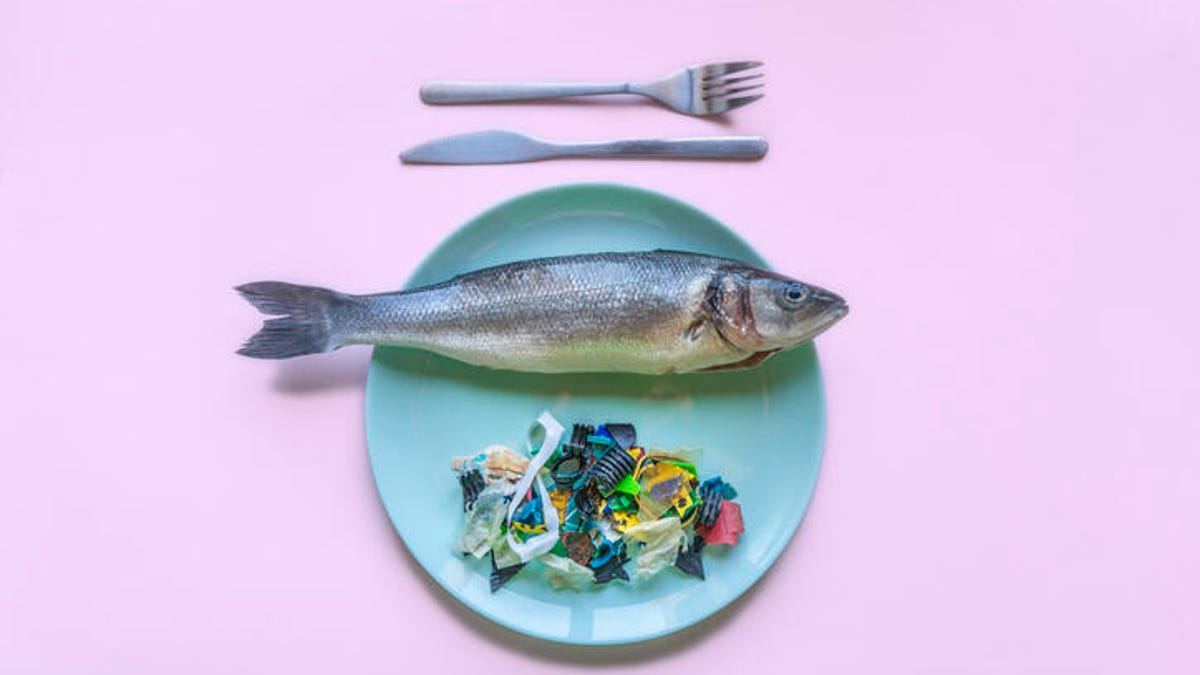

Are You Ingesting Thousands of Microplastics Every Year? Here’s What You Need to Know.
Did you know that you’re likely consuming tens of thousands of microscopic plastic particles annually, just through your food and drinks? The pervasive presence of microplastics in our environment, from kitchen utensils to food packaging, means that these tiny fragments are finding their way into our bodies. While the long-term health effects are still being investigated, it’s understandable to be concerned. This article breaks down which foods are most likely to contain microplastics, what the potential health impacts could be, and practical steps you can take to minimize your exposure and make more informed choices.
Understanding the Microplastic Problem
Microplastics are defined as plastic particles less than 5 millimeters in size. These fragments originate from a variety of sources, including the breakdown of larger plastic items, industrial processes, and the release of microfibers from synthetic clothing. Their tiny size allows them to easily spread through the environment, contaminating our water sources, soil, and even the air we breathe.
How Do Microplastics End Up in Our Food?
Microplastics enter our food supply through various pathways, including:
- Agricultural Practices: The use of plastic mulch, plastic seed coatings, and irrigation with contaminated water can introduce microplastics into crops.
- Food Processing and Packaging: Plastic packaging, utensils, and containers used during food processing and storage can shed microplastics, contaminating the food.
- Environmental Contamination: Single-use plastics that break down and find their way into waterways and soil are a major source of microplastic pollution, particularly in seafood.
Dr. Joseph Mercola, a board-certified family medicine osteopathic physician, emphasizes the importance of minimizing exposure, stating, “There is no officially established ‘safe’ or ‘unsafe’ level of microplastic intake. It makes sense to want your exposure to be as low as possible.” While the U.S. Food and Drug Administration (FDA) states that current evidence doesn’t suggest that the levels of microplastics in food are a risk to us, many experts advocate for taking proactive measures to reduce our intake.
Top 8 Foods That May Contain High Levels of Microplastics
Here’s a closer look at eight common foods that have been found to contain microplastics and what you can do to minimize your exposure:
1. Seafood: A Microplastic Hotspot
Seafood is one of the most significant sources of microplastic contamination due to the widespread pollution of our oceans. Microplastics are ingested by plankton and other small organisms, which are then consumed by larger fish and shellfish. Filter feeders and bottom feeders tend to have higher levels.
- Research Findings: A Portland State University study found microplastics in 180 out of 182 tested seafood samples.
- Mitigation:
- Reduce consumption of filter feeders and bottom feeders (clams, mussels, oysters, catfish, halibut, flounder, and cod).
- Choose seafood with sustainable packaging instead of plastic wrap.
- Consider the source of your seafood and opt for suppliers with responsible fishing practices.
2. Tea Bags: An Unexpected Source
Many tea bags, especially those made from polypropylene, can release billions of plastic particles into your tea when steeped in hot water. Even paper tea bags may contain small amounts of plastic.
- Research Findings: Researchers at the Autonomous University of Barcelona discovered that polypropylene tea bags can release billions of plastic particles, while nylon and cellulose tea bags release millions.
- Mitigation:
- Switch to loose-leaf tea.
- Use a stainless steel tea infuser.
- If using tea bags, opt for those made from natural fibers like cotton or hemp, and check for plastic-free certification.
3. Rice: Wash Before Cooking
Rice, a staple food for many, has also been found to contain microplastics.
- Research Findings: A University of Queensland study found 3 to 4 milligrams of plastic per half cup of rice, with instant rice packets containing significantly more (13 milligrams).
- Mitigation:
- Thoroughly wash your rice before cooking. The study found that washing rice can reduce plastic contamination by 20% to 40%. Consider using filtered water for rinsing.
4. Salt and Sugar: A Grain of Truth
Both salt and sugar can be contaminated with microplastics due to environmental pollution and plastic packaging used during production.
- Research Findings: One study found that 90% of 39 sampled salt brands worldwide contained microplastics.
- Mitigation:
- Buy salt and sugar packaged in glass or cardboard containers.
- Consider using sea salt harvested using traditional methods, as these may be less likely to be contaminated by plastic.
5. Bottled Water: A Major Contributor
Bottled water is a well-known source of micro and nanoplastics, with plastic particles breaking apart when bottles are squeezed or exposed to heat.
- Research Findings: One study estimated that there are approximately 240,000 plastic particulates in a liter of bottled water.
- Mitigation:
- Drink tap water from a stainless steel or glass container.
- If you prefer filtered water, use a water filter pitcher or whole-house water filtration system that specifically targets microplastics. (e.g., Lifestraw water filters remove 99.999% of microplastics according to the brand)
6. Honey: A Sticky Situation
Even honey in glass jars can contain microplastics, likely due to contamination from bees and general pollution.
- Research Findings: A study found that honeybees can ingest and carry microplastics, which can then be incorporated into honey.
- Mitigation:
- Buy honey from local beekeepers who use natural and sustainable harvesting methods.
7. Fruits and Vegetables: Peel and Wash
Fruits and vegetables can absorb microplastics from the soil through their root systems, and they are often packaged in plastic. Apples and carrots have been found to be among the most contaminated.
- How it Happens: Plants can uptake micro and nanoplastics from soil through their root systems, contaminating the edible portions.
- Mitigation:
- Thoroughly wash fruits and vegetables before consumption.
- Peel fruits and vegetables when possible.
- Choose local or organic produce, which may be less likely to be contaminated with microplastics from agricultural practices.
8. Proteins: The Impact of Processing
Highly processed proteins, like plant-based alternatives, fish sticks, and chicken nuggets, tend to have the highest levels of microplastics, suggesting that food processing is a significant source of contamination.
- Research Findings: A study found that breaded shrimp had an average of 300 microplastic pieces per serving, while plant-based nuggets had 100 pieces per serving.
- Mitigation:
- Prioritize minimally processed protein sources.
- Be mindful of how your protein is sourced and raised (e.g., animal feed).
What Are the Potential Health Effects of Microplastics?
The long-term health effects of ingesting microplastics are still under investigation, but some potential concerns include:
- Inflammation and Tissue Damage: Microplastics can accumulate in the circulatory system and various organs, including the brain, potentially causing inflammation and tissue damage.
- Hormonal Imbalances: Endocrine-disrupting chemicals found in plastics, such as BPA and phthalates, can leach into food and disrupt hormone function.
- Introduction of Environmental Toxins: Microplastics can absorb other environmental toxins and introduce them into the body.
Important Note: While these potential health effects are concerning, more research is needed to fully understand the risks associated with microplastic ingestion.
Expert Tips for Reducing Your Microplastic Intake
While it’s impossible to completely eliminate microplastics from your diet, here are some practical steps you can take to minimize your exposure:
- Limit Shellfish Consumption: Shellfish tends to have higher levels of microplastics.
- Avoid Plastic Food Storage Containers: Store fatty foods in glass containers to prevent the leaching of plasticizing chemicals.
- Reduce Plastic-Wrapped Foods: Choose products with minimal plastic packaging.
- Replace Plastic Kitchen Utensils: Swap plastic utensils for ceramic, glass, stainless steel, or wood alternatives.
- Install a Washing Machine Filter: A microfiber filter can catch microfibers from synthetic clothing before they pollute water systems.
Conclusion
The issue of microplastics in our food is a complex one with many unanswered questions. While research is ongoing to determine the long-term health effects, it’s prudent to take steps to minimize your exposure. By understanding the sources of microplastic contamination and adopting practical strategies, you can make informed choices that protect your health and the environment. The eight high-risk foods outlined above provide a clear starting point for reducing your intake of microplastics.
What steps are you taking to reduce your exposure to microplastics? Share your thoughts and experiences in the comments below!
Sources & Further Reading:
Original article at www.cnet.com


