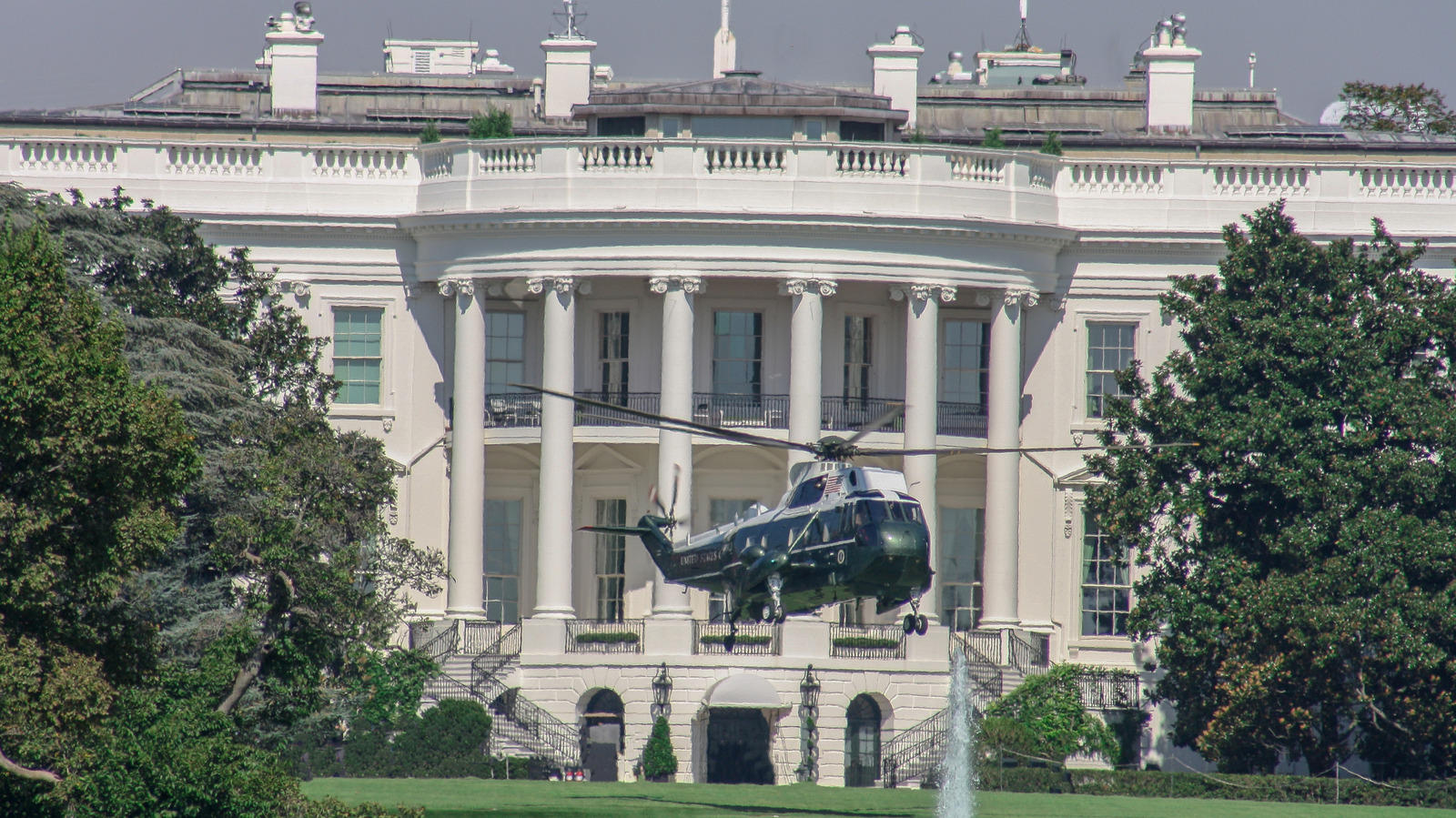

Decoding Marine One: Inside the President’s Flying Fortress
Ever wondered what it’s like to fly with the President of the United States? While most of us will never experience the interior of Air Force One, its rotary-winged counterpart, Marine One, provides a more frequent glimpse into the world of presidential transport. This isn’t just any helicopter; it’s a high-tech, heavily secured, and meticulously operated machine designed to ensure the Commander-in-Chief’s safety and efficiency. Understanding the capabilities and history of Marine One offers a fascinating insight into the logistics and security surrounding the highest office in the United States. Let’s delve into the world of Marine One, exploring its purpose, features, and evolution.
Inside Marine One: A Secure and Functional Aircraft
Marine One isn’t your average helicopter. Operated by Marine Helicopter Squadron One (HMX-1) since 1957, its primary mission is to transport the president swiftly and securely. While the specific features differ slightly depending on the model – currently the VH-3D Sea King and the VH-60N White Hawk – the core principles remain consistent.
What’s it like Inside?
The interior of Marine One is designed for functionality, not ostentatious luxury. Think practical elegance rather than opulent extravagance.
- Seating: The VH-3D can accommodate 14 people, while the VH-60N holds 11.
- Presidential Seating: The president gets a dedicated “captain’s chair” facing forward, distinct from the pilot seats.
- Amenities: A bathroom, refreshments (including water, snacks, and even presidential M&Ms), and secure communication systems are all onboard.
However, the real story lies beyond the visible amenities.
Security Features: Designed Like a Fortress
Beneath the light-toned leather and polished wood, Marine One is a veritable fortress in the sky. Key security features include:
- VIP-Grade Armor: Ballistic shielding protects against ground fire.
- Radar Jammers: These disrupt enemy radar systems, making the helicopter harder to track.
- Anti-Missile Technology: Flares and chaff are deployed to counter heat-seeking and radar-guided missiles. These are standard military countermeasures.
- Energy-Absorbing Landing Gear: Designed to minimize impact in the event of a hard landing.
- Self-Sealing Fuel Tanks: These prevent fires by automatically sealing any punctures caused by gunfire or debris.
- Soundproofing: The entire helicopter is soundproofed, allowing for confidential conversations to take place without concern.
- Secure Communication Systems: Enables the president to make sensitive calls without disruption or fear of eavesdropping.
These features combine to make Marine One an exceptionally secure platform, capable of withstanding a range of threats.
How Marine One Operates: More Than Just a Helicopter
Marine One rarely flies alone. It’s usually accompanied by up to four identical helicopters that fly in formation. This is a critical security measure designed to confuse potential attackers by making it impossible to identify the actual Marine One. This decoy formation is a standard operating procedure.
- Global Deployment: Marine One can be deployed anywhere in the world, transported aboard C-17 Globemaster or C-5 Galaxy aircraft. This allows the president to travel with the helicopter to any destination.
- Presidential Limousine Transport: The C-17 and C-5 aircraft also carry the presidential limousine, ensuring the president has secure transportation on the ground as well.
- Rigorous Personnel Screening: All HMX-1 personnel undergo a stringent “Yankee White” background check to ensure the highest levels of trust and security clearance.
The meticulous planning and execution involved in every Marine One flight highlight the importance placed on the president’s safety.
The Evolution of Marine One: From Eisenhower to the Future
Marine One’s story began in 1957 when President Dwight D. Eisenhower used a Bell UH-13J Sioux to travel to his summer home. This marked the beginning of helicopter transport for the President.
Key Milestones in Marine One’s History
- 1957: President Eisenhower pioneers the use of helicopters for presidential travel.
- 1961: The VH-3A Sea King enters service, introducing turboshaft engines for improved power and reliability.
- 1978: The VH-3D joins the fleet, further enhancing capabilities.
- 1988: The VH-60N White Hawk is added to the fleet, offering a smaller and more agile option.
- 2000s: The VH-71 Kestrel program is launched as a replacement effort but is later canceled due to escalating costs.
- 2020s: The VH-92A Patriot, derived from the Sikorsky S-92, enters service, gradually replacing the older VH-3Ds and VH-60Ns.
The shift to helicopter transport was driven by the need for faster, more direct routes, especially for short trips where Air Force One wasn’t practical. As technology advanced, so did Marine One, with each new model offering improved performance, security, and reliability.
The VH-92A Patriot: A New Era for Presidential Transport
The newest addition to the fleet, the VH-92A Patriot, represents a significant upgrade. Based on the Sikorsky S-92, it incorporates the latest technology and security features. However, the rollout hasn’t been without its challenges.
- Scorching the White House Lawn: Early testing revealed issues with the VH-92A’s engines scorching the White House lawn during landing, requiring modifications to address the problem.
Despite these initial setbacks, the VH-92A is expected to play a crucial role in presidential transport for years to come.
The Iconic “White Tops” Paint Scheme
Throughout its evolution, Marine One has retained its distinctive green and white “White Tops” paint scheme. This visual symbol of the presidency is instantly recognizable around the world. It’s a constant reminder of the important role Marine One plays in facilitating the President’s travel and ensuring their safety.
Marine One: Frequently Asked Questions
People often wonder about specific aspects of Marine One. Here are some common questions and their answers:
- How many Marine One helicopters are there? Typically, there are multiple helicopters, and the exact number varies depending on the model and operational requirements. The decoy formation ensures that the specific Marine One carrying the President is difficult to identify.
- Who flies Marine One? Marine One is flown by pilots from Marine Helicopter Squadron One (HMX-1). These pilots undergo rigorous training and security clearance.
- Where does Marine One fly? Marine One operates in Washington, D.C., and can be deployed worldwide. It is commonly used for short trips to Joint Base Andrews or Camp David.
- What happens if Marine One breaks down? Backup helicopters are always available, and contingency plans are in place to ensure the President’s safe and timely transport.
- How much does Marine One cost? The exact cost is classified, but the development, maintenance, and operation of Marine One are substantial investments due to the advanced technology and security features involved.
Conclusion: A Symbol of Presidential Power and Security
Marine One is more than just a helicopter; it’s a symbol of presidential power, security, and logistical prowess. From its humble beginnings with President Eisenhower to the advanced capabilities of the VH-92A Patriot, Marine One has continually evolved to meet the demands of the highest office in the United States. Its heavily secured design, meticulous operation, and dedicated personnel ensure the President’s safe and efficient transport, whether it’s a short hop to Joint Base Andrews or a deployment halfway around the world. It truly stands as a fortress in the sky.
What do you think about the security measures surrounding Marine One? Share your thoughts in the comments below!
Sources & Further Reading:
Original article at www.slashgear.com


