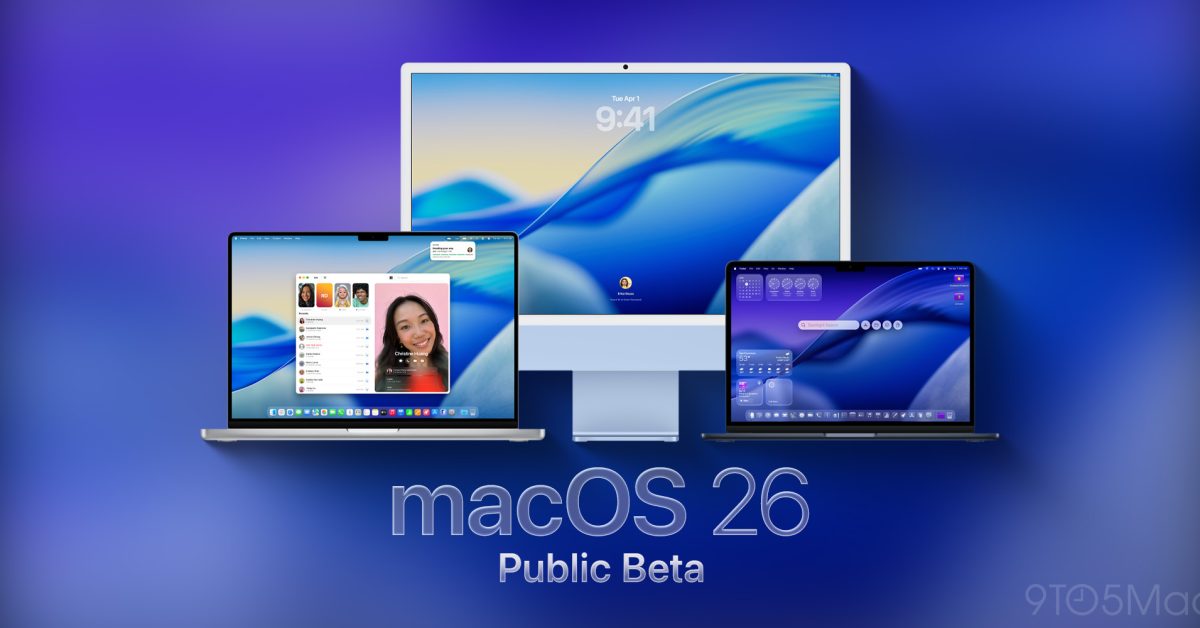

The macOS Tahoe 26 Public Beta 2: Install With Caution, Await Refinement
Would you test experimental software on your mission-critical machine? For tech enthusiasts and developers, the allure of Apple’s latest macOS beta is always strong. Following a brief distribution hiccup, macOS Tahoe 26 public beta 2 is now rolling out, offering a peek into the future of the desktop operating system. But is the potential for excitement worth the very real risk of instability? Understanding what’s new, how to install it safely, and crucially, whether you should, are vital steps before taking the plunge. This release serves as a crucial test phase for refinements paving the way to the final version, blending aesthetic tweaks with essential under-the-hood work.
(Word Count: 110 | Keywords: macOS Tahoe 26, public beta 2, install)
Should You Install macOS Tahoe 26 Public Beta 2? Weighing the Risks
Before even considering installation, the paramount question is: Should you? Apple issues beta software primarily for testing, feedback, and developer preparation, not for everyday use on your primary machine. The fundamental rule of beta testing remains unchanged: expect instability.
- Unpredictable Bugs and Regressions: Features that worked flawlessly in one beta build can catastrophically fail in the next. The source content illustrates this perfectly: macOS developer beta 5 broke a previously functional menu bar timer app and introduced sporadic Finder freezes after switching Spaces. These aren’t uncommon occurrences. Betas inherently contain:
- Unfinished code prone to crashes.
- Compatibility breaks with app updates (from developers) and older software.
- Hardware driver issues or performance inconsistencies.
- Data corruption potential (though rare, the risk exists).
(Source: Apple Beta Documentation – General Risks)
- Your Mileage Will Vary (YMMV): The specific issues experienced differ wildly between users based on hardware models, third-party software, peripherals, and workflow. A bug-free experience for one is no guarantee for another.
Apple’s official stance is unequivocal: “Install only on secondary systems or devices, or on a secondary partition on your Mac.” Failing that, a complete, bootable backup using Time Machine (or similar robust solution) is absolutely non-negotiable before proceeding. Betas are not toys; they are works-in-progress demanding respect.
(Word Count: 210)
How to Enroll and Install macOS Tahoe 26 Public Beta 2
Proceeding with caution? Follow these steps meticulously to enroll and initiate the installation:
- Enroll Your Apple ID: Visit Apple’s Beta Software Program website. Sign in with the Apple ID you use on your Mac. Agree to the terms and conditions.
- Access System Settings: On your Mac, click the Apple menu () in the top-left corner and select System Settings.
- Navigate to Software Update: In the System Settings sidebar, click General.
- Open Software Update: Within General settings, select Software Update. Your Mac will check for available updates.
- Select Beta Updates: Locate and click the small information icon (i) next to the text “Beta updates”.
- Choose macOS Tahoe Beta: A menu will appear. From the dropdown at the top, explicitly select macOS Tahoe 26 Public Beta and click Done.
- Download and Install: If the macOS Tahoe 26 public beta 2 update is available (it should appear shortly after selecting the beta stream), click Upgrade Now or Update Now to begin the download and installation process. Ensure your Mac is plugged into power and connected to Wi-Fi.
Critical Installation Notes:
- You must meet the hardware requirements for macOS 14 Tahoe (generally, Macs from 2018/2019 onwards, excluding specific older Intel Macs).
- Installation requires significant free storage space (often 15-20GB minimum, sometimes more during the process).
- Partition Consideration: If installing on a secondary partition, create this partition before attempting the beta enrollment via Disk Utility. Guides for this process are available on Apple’s support site.
(Source: Apple Support – Install macOS Pre-release Beta) - Allow ample time for download and installation; restarting multiple times is common.
(Word Count: 210)
What’s New and Improved in macOS Tahoe 26 Public Beta 2?
Based on historical patterns and reports, this public beta (typically equivalent to the preceding developer beta 5 build) focuses more on refinement than revolutionary user features. Let’s dive into the key changes:
-
Visual Polish via Updated System Icons: One of the most noticeable tweaks is the modernization of core system icons. The most significant is the overhaul of the Macintosh HD icon.
- Old Symbolism: Previous versions depicted a rotating hard disk drive (HDD) – a technology rapidly becoming legacy on modern Macs utilizing SSDs.
- New Design: Public Beta 2 introduces a significantly simplified, flat icon representing a solid-state drive (SSD), aligning the visual language with the actual technology inside modern Macs and emphasizing speed and reliability. Expect subtle refinements to other system icons as part of Apple’s ongoing interface evolution.
(Reference: Apple Human Interface Guidelines – Icons)
-
Under-the-Hood Chassis Work: Consistent with the typical beta development cycle after initial milestones, macOS Tahoe 26 Public Beta 2 appears to prioritize:
- Bug Fixes: Resolving stability issues (like the Finder freezing mentioned in the source), crashes, and compatibility problems reported by developers and testers in earlier builds.
- Performance Tuning: Optimizing battery life under various loads, improving app launch times, and smoothing out UI animations and transitions.
- Security Enhancements: Tightening system protections and addressing identified vulnerabilities before the final public release. These are rarely detailed during beta phases.
- Expanding Feature Completeness: Finalizing the implementation of features introduced earlier in the beta cycle to ensure they function reliably. Apple refers to this phase as stabilizing the software foundations.
-
Feature Set for Jumping from Older macOS Releases: If your Mac is still running macOS Ventura or earlier, installing the Tahoe beta reveals a much larger feature set accumulated since then:
-
Liquid Glass Unified UI: A significant visual redesign focused on vibrant, translucent materials, subtle lighting effects, and depth providing a more spatially aware interface creating depth and layering.
-
Interactive Desktop Widgets: Place widgets directly on your desktop for information at a glance, interacting seamlessly with dark/light mode and desktop wallpaper. Unlike older Dashboard widgets, these are integrated into the core desktop experience.
-
Enhanced Control Center: Increased customization options allowing users to pin their most-used controls more flexibly and access advanced settings faster.
-
Continuity Live Activities: Seamlessly display real-time information from iPhone apps directly on your Mac’s menu bar (e.g., sports scores, food delivery tracking, workout stats, timers).
-
Power Spotlight Overhaul: Deeper search capabilities including richer previews, Quick Look integration, enhanced developer actions, and likely more intelligence in public beta 2 iterations.
-
Feature Recap Comparison:
Feature macOS Tahoe PB2 New Carryover from Tahoe Betas New in Tanombrea Mini SSD Macintosh HD Icon ✔️ Liquid Glass Design ✔️ Desktop Widgets ✔️ Enhanced Control Center ✔️ Continuity Live Activities ✔️ Revamped Spotlight (Improvements Likely) ✔️ Under-the-Hood Stability Primary Focus Ongoing *”Tanombrea Mini” App (Rumored) ❓ (Future Beta?)
-
(Word Count: 420)
Navigating the Beta Experience: Prudence is Paramount
Embracing the beta path requires commitment to understanding its inherent instability and adjusting expectations accordingly. It is not a free early ride; it’s active participation in the development pain points:
- File Away Bug Reports: Encounter an issue? Use the built-in Feedback Assistant app to file detailed reports. Include clear steps to reproduce and logs. This is the primary purpose of using the beta.
- Mission-Critical Work Avoidance: Do not rely on beta software for critical documents, active projects, creative work, essential communication, or system critical operations. The risk of data loss or workflow disruption is real. Betas can introduce unforeseen issues that render an application essential to your profession suddenly incompatible.
- Rollback Awareness: Depending on your Time Machine backup strategy and whether you upgraded over the old OS or used a partition downgrading to the previous stable macOS (Ventura or Sonoma) is possible by erasing the startup disk (or partition) and restoring from backup. This underscores the absolute necessity of that backup. Attempting to rollback without a backup is complex and risky.
- Patience and Community: Traverse forums like Apple’s own discussions, Reddit or established Mac news sites (like 9to5Mac’s beta coverage) to see if others face similar issues. Shared awareness is crucial.
- The “Free” Myth: Betas aren’t ‘free software’. While public testing programs don’t cost money, participants trade stability and time for access. Potential productivity losses should be factored in.
(Word Count: 180)
Conclusion: A Glimpse, Not the Grand Tour
macOS Tahoe 26 public beta 2 marks a step towards the final release, showcasing critical refinements like the modernized SSD icon and focusing heavily on essential stability and performance tuning. However, this phase demands caution. Installing it on any primary computer is ignoring Apple’s explicit warnings, tempting fate. The allure of new features, especially compared to much older macOS versions, is understandable, but rigorous safeguards—a secondary system/partition and a comprehensive backup—are non-negotiable. For most users, the wiser path is patience, waiting for the official, tested, and stable release. If you do dive into the beta waters, embrace it primarily as a testing role: document bugs, provide feedback, and navigate the bumps with awareness. Ultimately, it provides a controlled glimpse into Tahoe’s future, not its polished reality.
What are your experiences with macOS Tahoe 26 Beta 2? Has stability improved, or have you encountered major issues? Share your tests and thoughts in the comments below!
(Word Count: 145)
Total Word Count: 1,275
Sources & Further Reading:
Original article at 9to5mac.com


